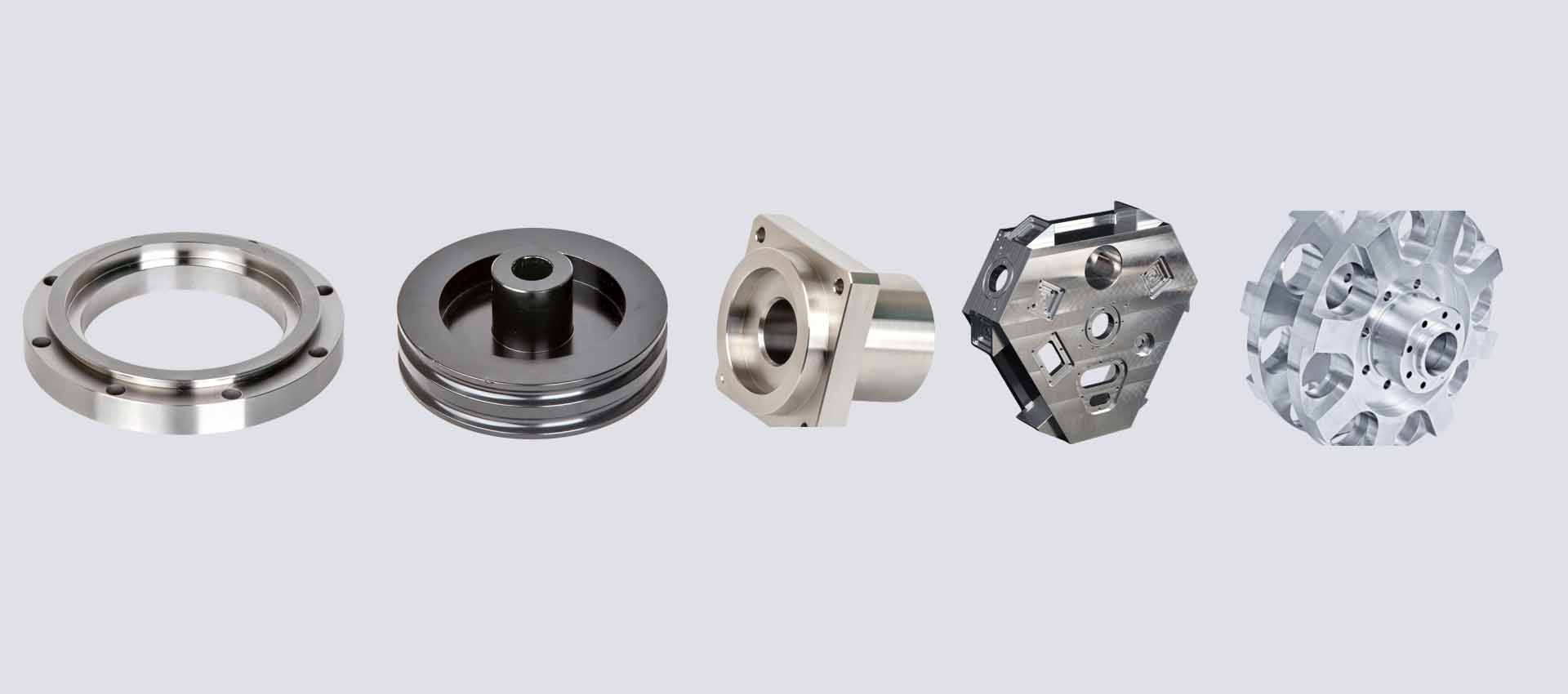
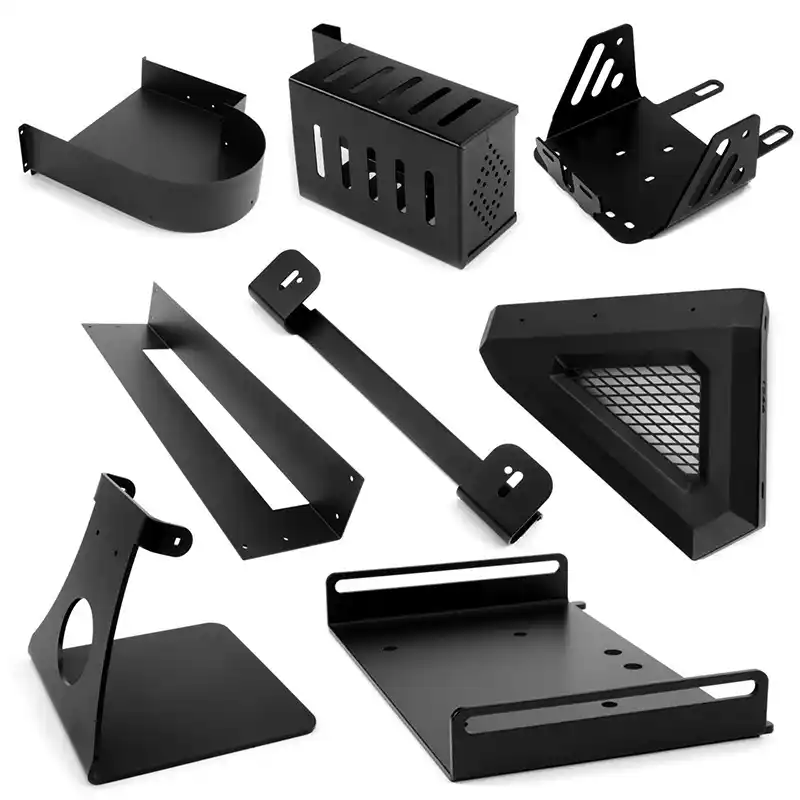
Rapid prototyping gets a working part in your hands fast, so you can test the design before spending on tooling. We machine or print prototypes in real production materials, with simple parts from 3 days. Here are the routes we offer and what you can validate.
Routes We Offer
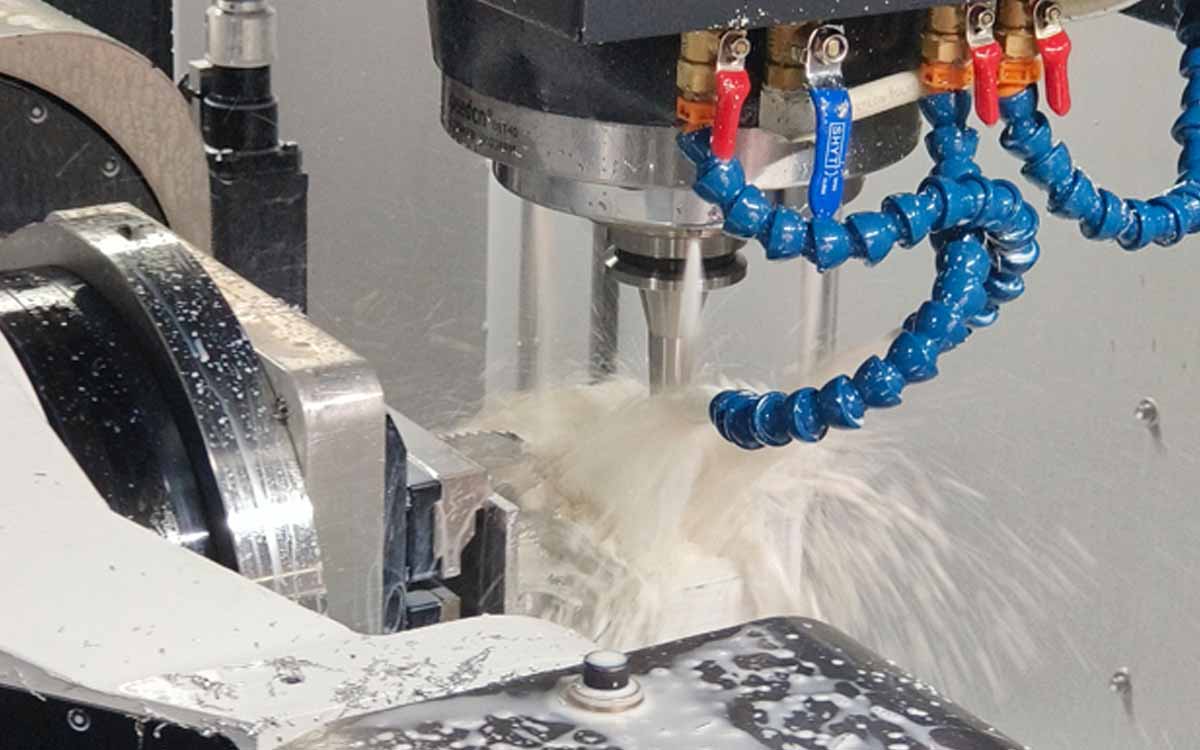
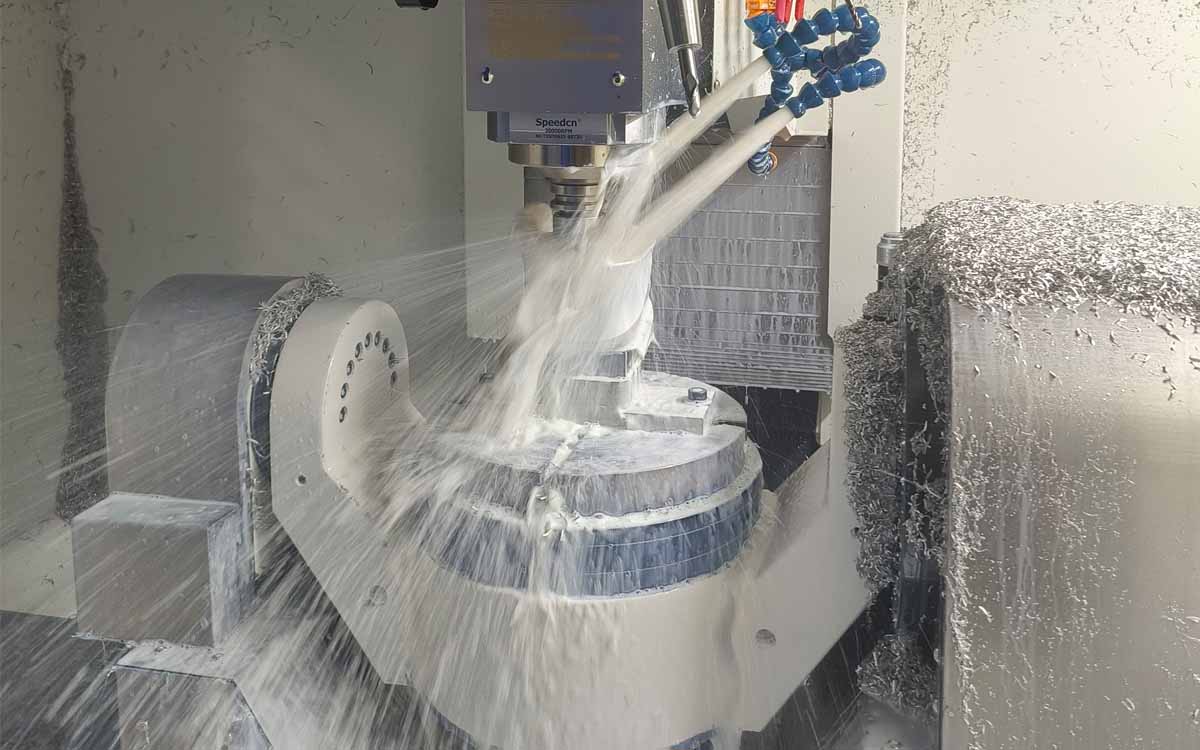
CNC machining gives real material strength and tight tolerances, from 3 days on simple parts, ideal for functional metal prototypes. 3D printing (SLA/SLS/MJF) gives complex shapes and quick models with no tooling, ideal for concept models and complex geometry. Urethane casting gives 10 to 50 parts that behave like molded plastic, ideal for pilot batches. We pick the route that fits your geometry, material and budget, and we do all three so we have no bias.
What You Can Test
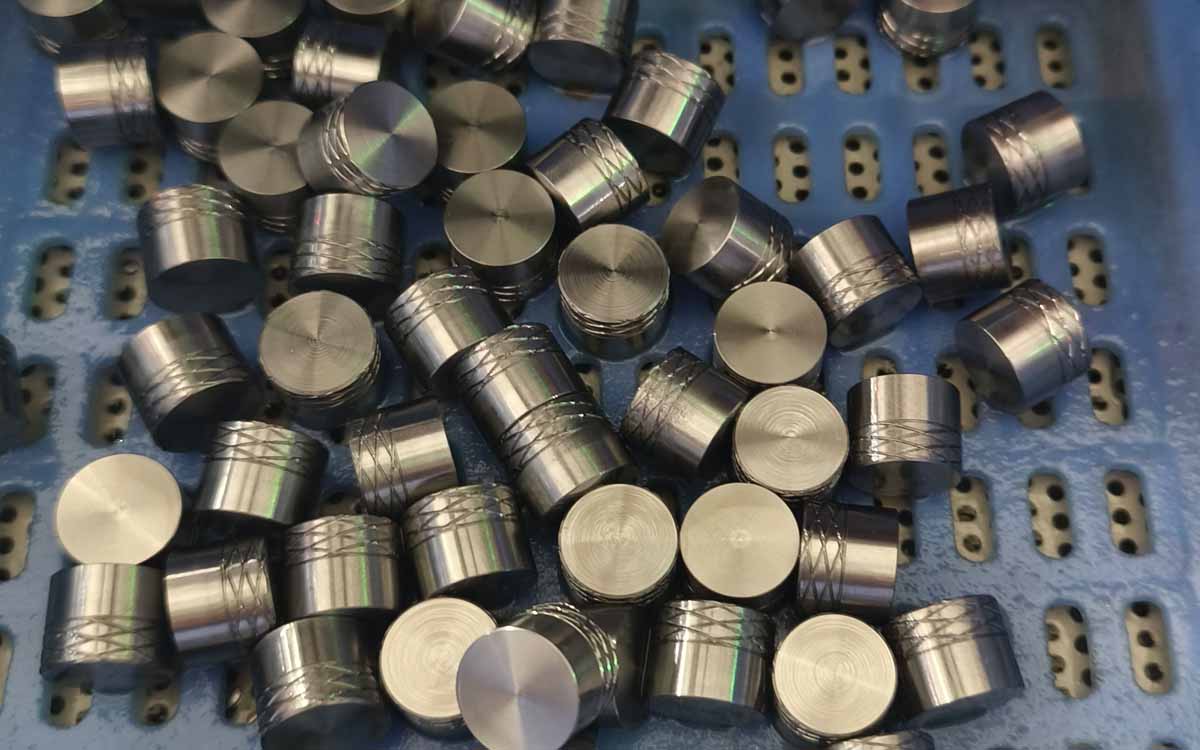
Prototypes let you check fit and assembly, form and ergonomics, function and strength, and look and finish. Finding a problem now is far cheaper than finding it after tooling or in production. A prototype assembly reveals whether holes line up and the tolerance stack works; a functional prototype reveals whether the part carries load. This is the cheapest insurance against expensive mistakes later.
DFM Comes With the Quote
Every prototype quote includes a design review. We flag what will change when you move to production, so there are no surprises at the first sample. You learn what works before you commit, and we suggest changes that cut cost or improve manufacturability. This review is free and is one of the most valuable things we offer, because it catches problems when they are cheap to fix.
From Prototype to Production
When the design is fixed, the same team moves you into bridge tooling or production. Programs and fixtures stay on file, so the production parts match the prototype you approved. This continuity means nothing is lost between stages, and you do not have to re-explain the part to a new supplier. It is one of the biggest advantages of prototyping with the shop that will produce the part.