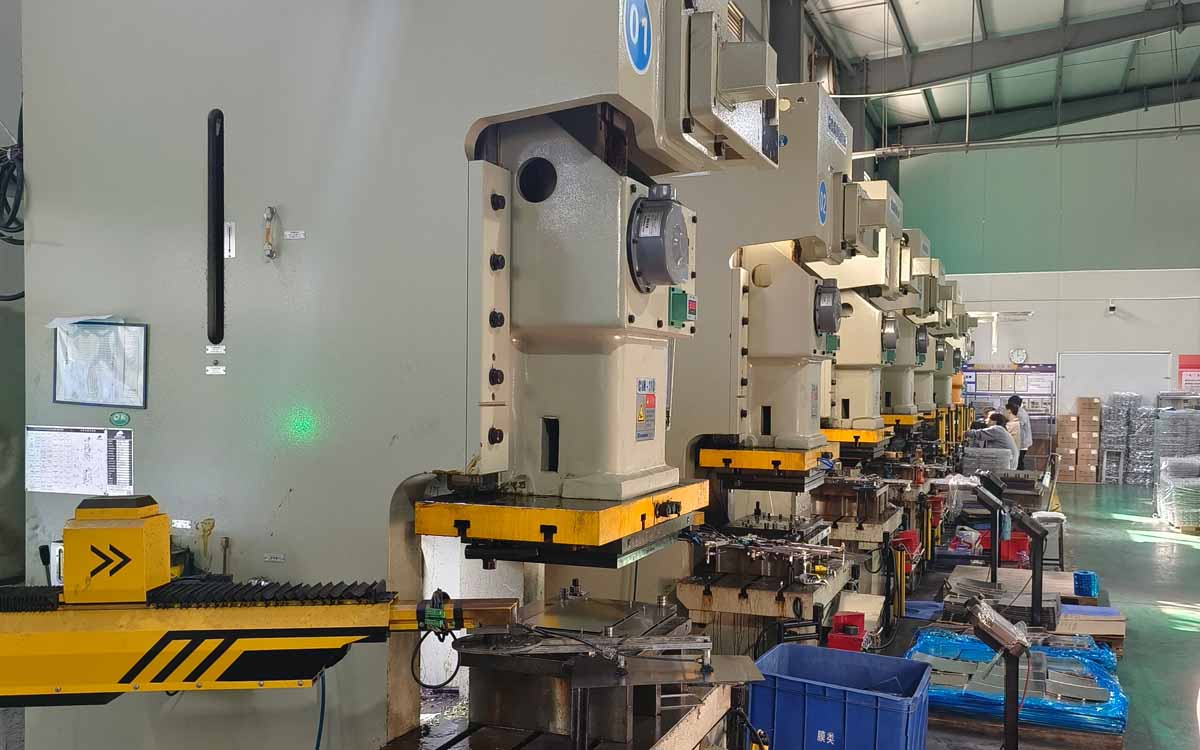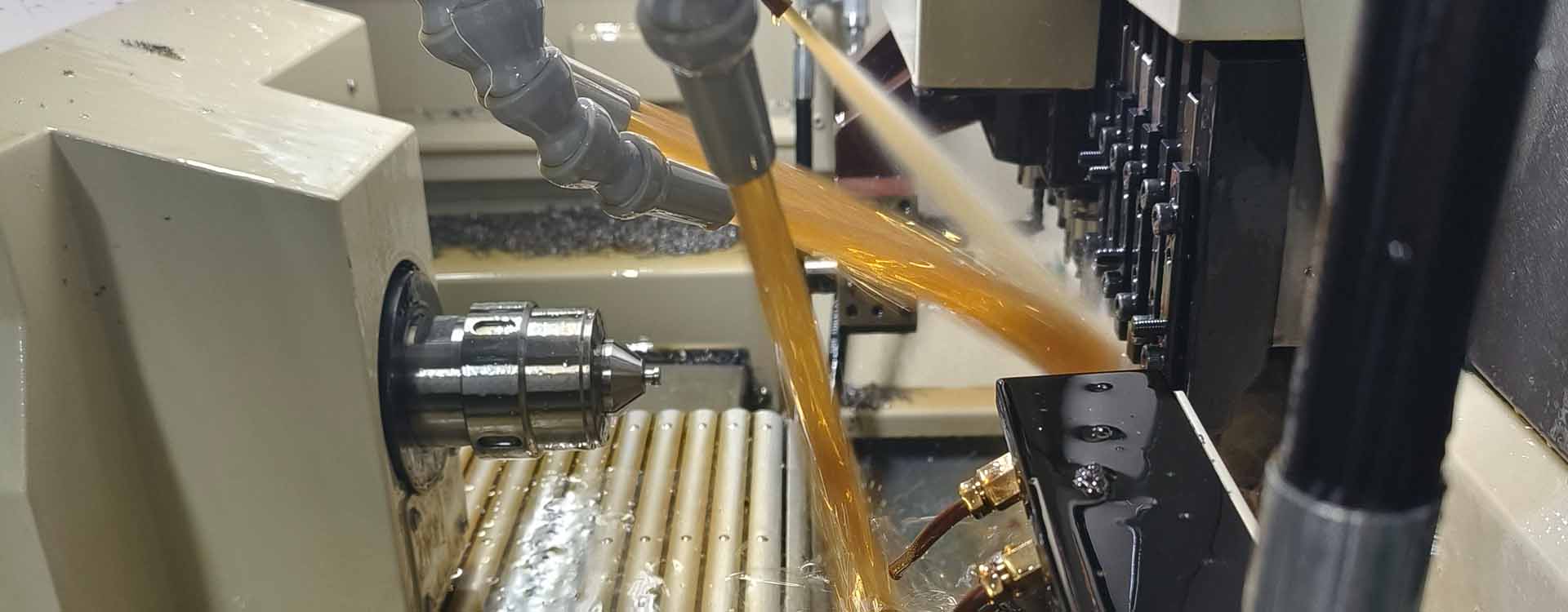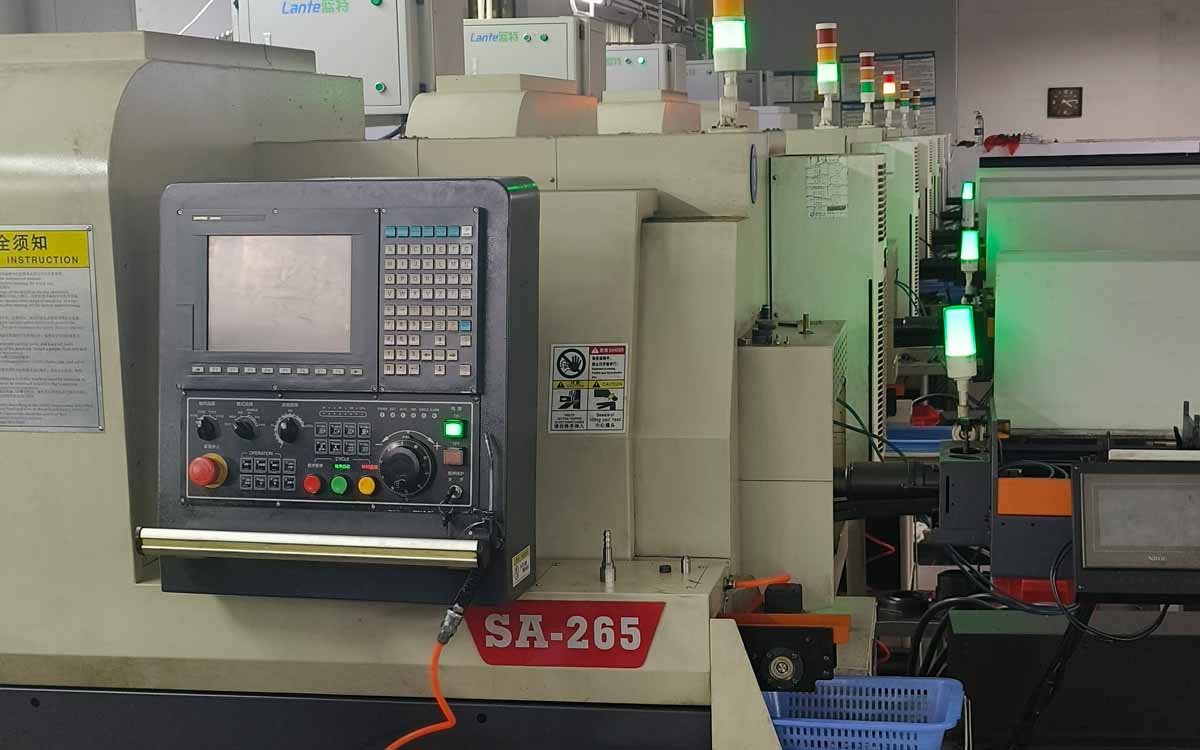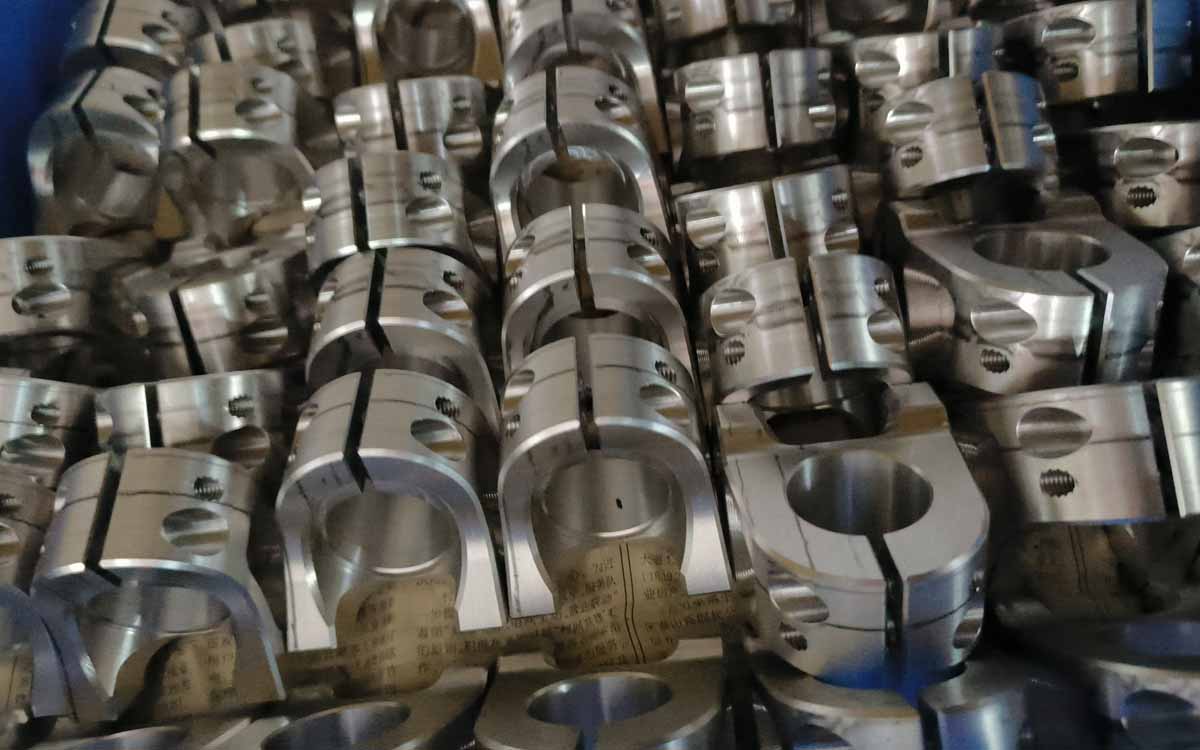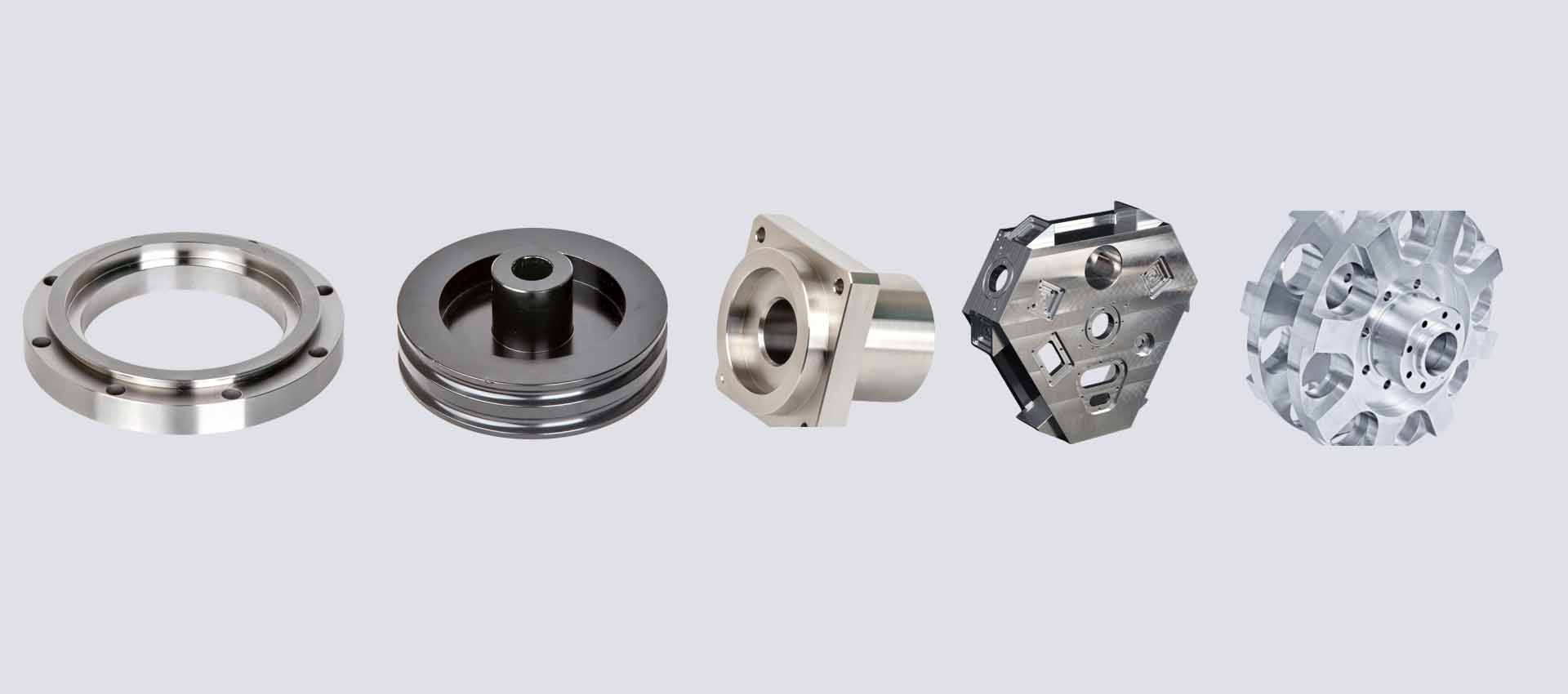
Injection molding makes plastic parts by injecting melted plastic into a mold under pressure. It is the fastest way to make many identical parts at low cost per piece, and it is the right process once your volume goes up. We build the mold and run the parts under one roof, so one team owns the whole job from design review to finished parts. That means no handoff between a tool maker and a molder, faster iteration if a change is needed, and one quality standard throughout. Here is how the process works and how we run it.
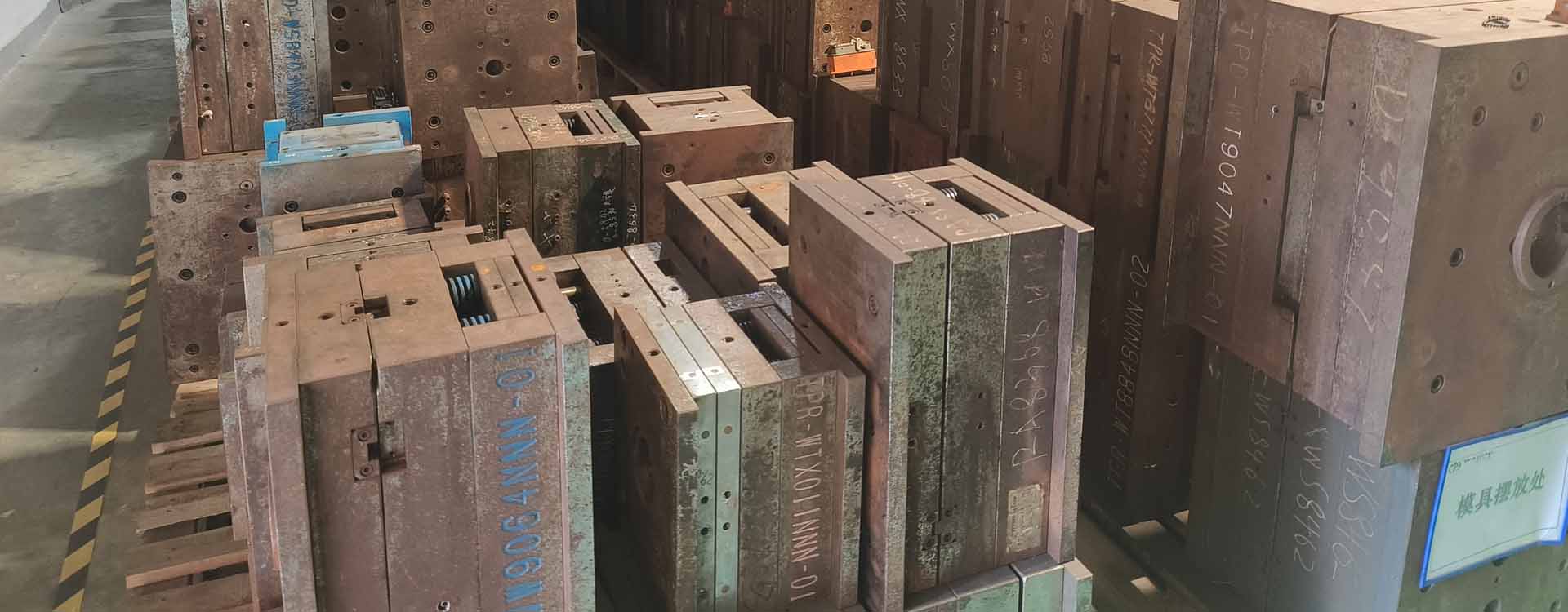
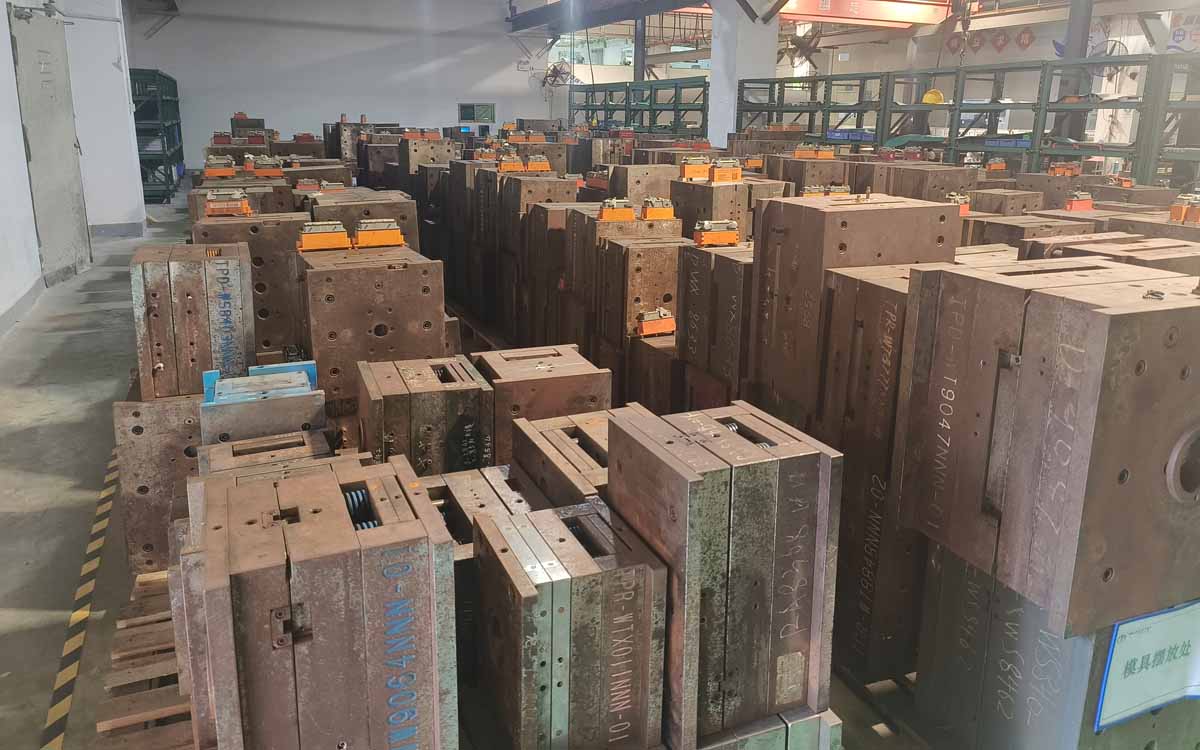
Mold tool making from MiGi: injection molds and stamping dies designed and built in-house, with DFM and flow review, T1 samples to production tooling.
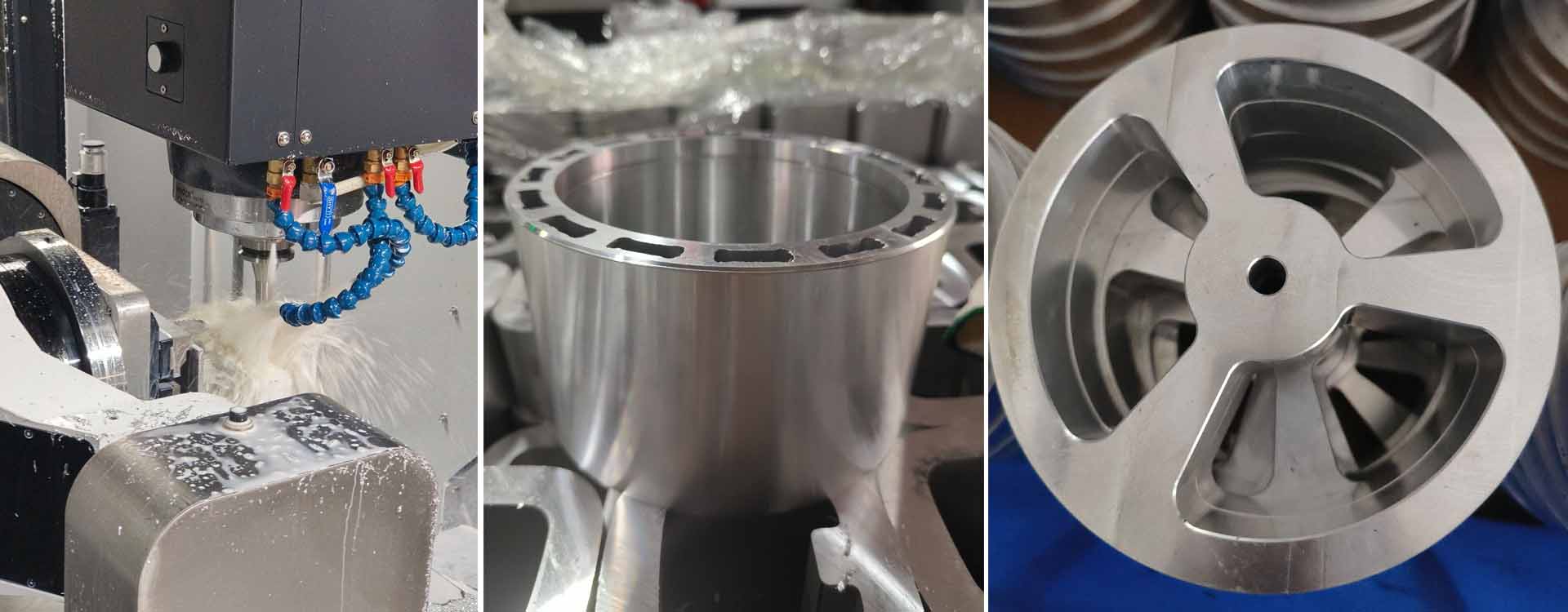
Rapid tooling from MiGi: soft and bridge tools for pilot runs and market tests. Production-grade molded parts weeks sooner than hard tooling, at lower cost.
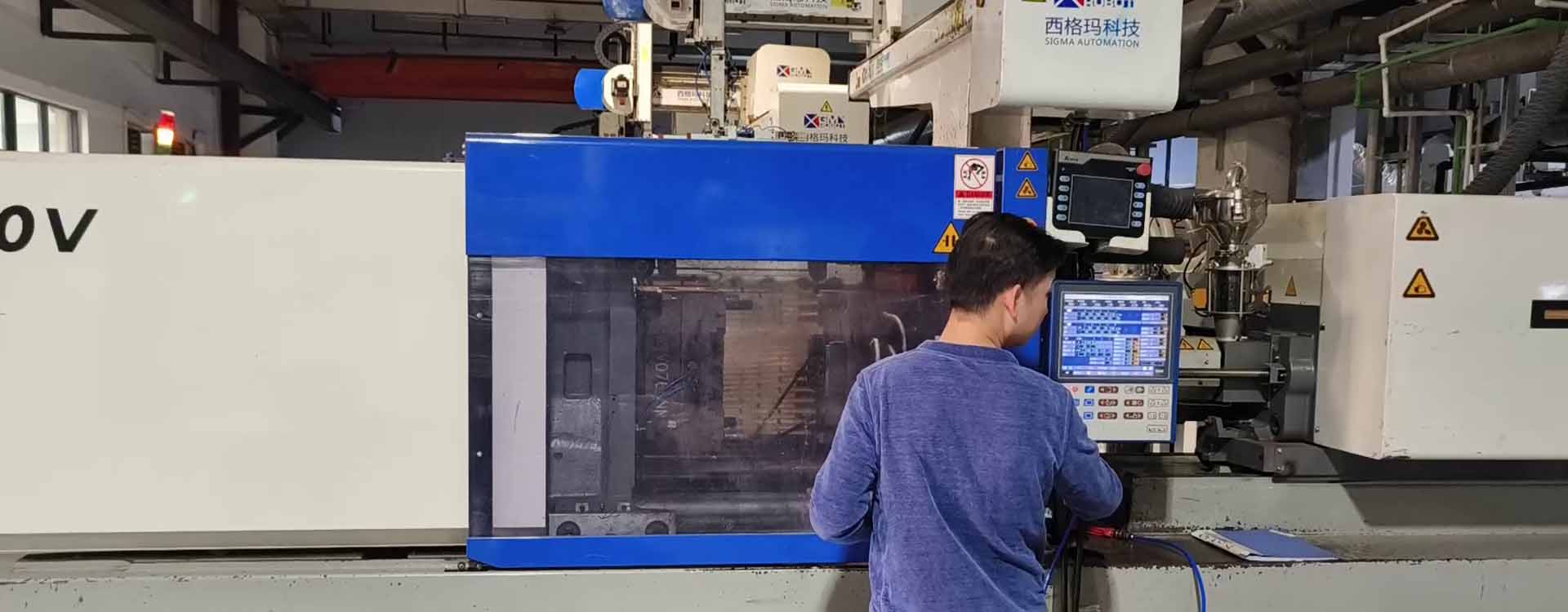
Plastic injection molding from MiGi: ABS, PC, PP, nylon, POM and high-heat resins. Bridge batches to high volume, with DFM review and consistent quality.
Liquid silicone rubber molding from MiGi: LSR seals, gaskets, medical and baby-care parts. Precise dosing, clean processing, prototype to production.
How Injection Molding Works
The process has four steps. Plastic pellets are heated until they melt. The melted plastic is pushed into a closed mold under high pressure, filling the cavity. The part cools and hardens in the shape of the cavity. The mold opens and the part is ejected. One cycle takes seconds to minutes, and a single mold can run thousands or millions of parts. That is why molding beats machining on cost once volume goes up: the tooling cost is spread over many parts, and each cycle is fast. The key to good parts is even cooling and a well-designed mold, which is where DFM and flow review matter.
What We Need From You
Send a 3D CAD file and tell us the quantity, the material and any special needs such as color, texture, inserts or tolerances. We review the design for molding: wall thickness, draft angles, undercuts, gate and ejector placement. You get DFM feedback before we cut steel, so problems are caught cheaply in design. If a feature will cause sink marks, warpage or weak weld lines, we flag it and suggest a fix. We also run flow analysis to predict fill and confirm the gate location, so the first samples are close to right.
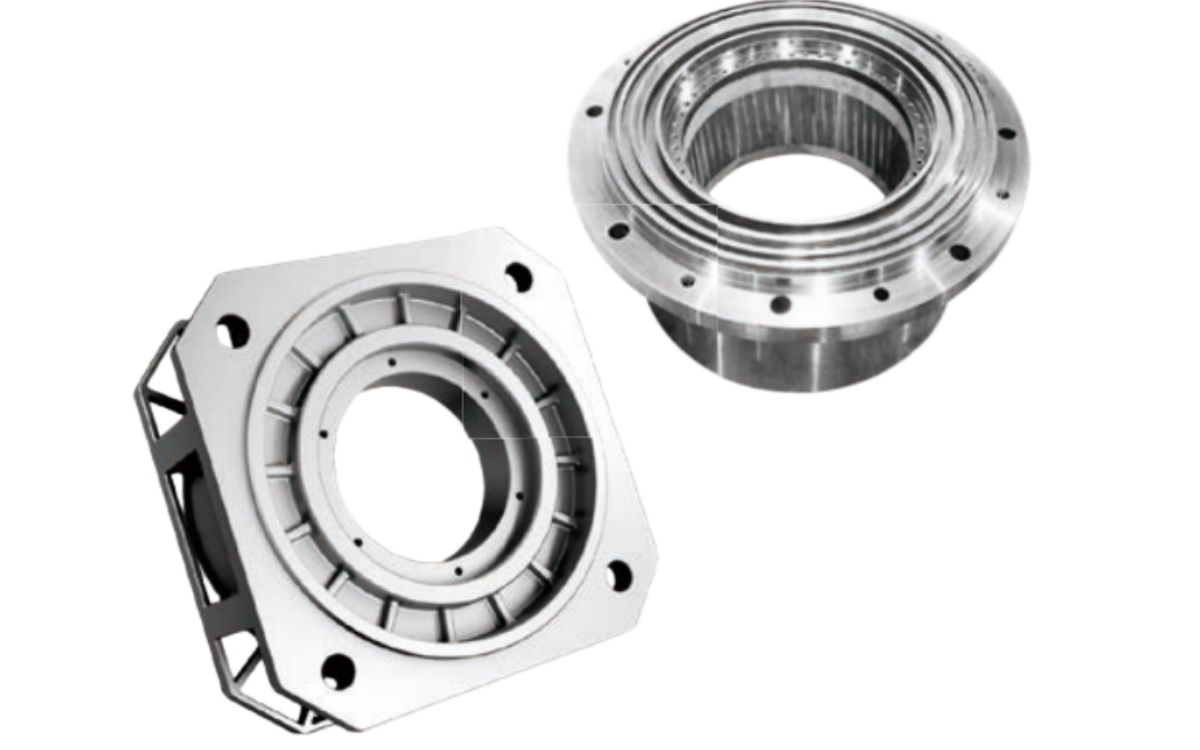
Custom machined manifolds from MiGi: deep holes, clean intersecting passages, le...
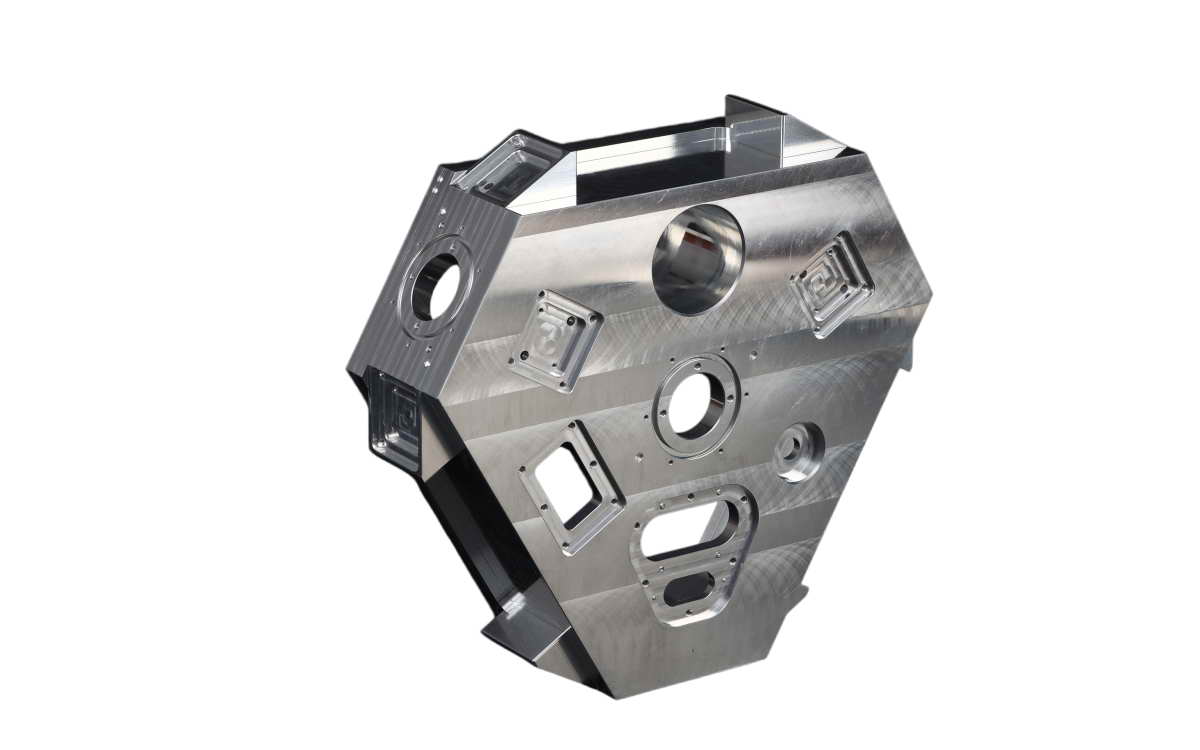
CNC machined heat sinks from MiGi: finned and pin-fin aluminum designs with flat...
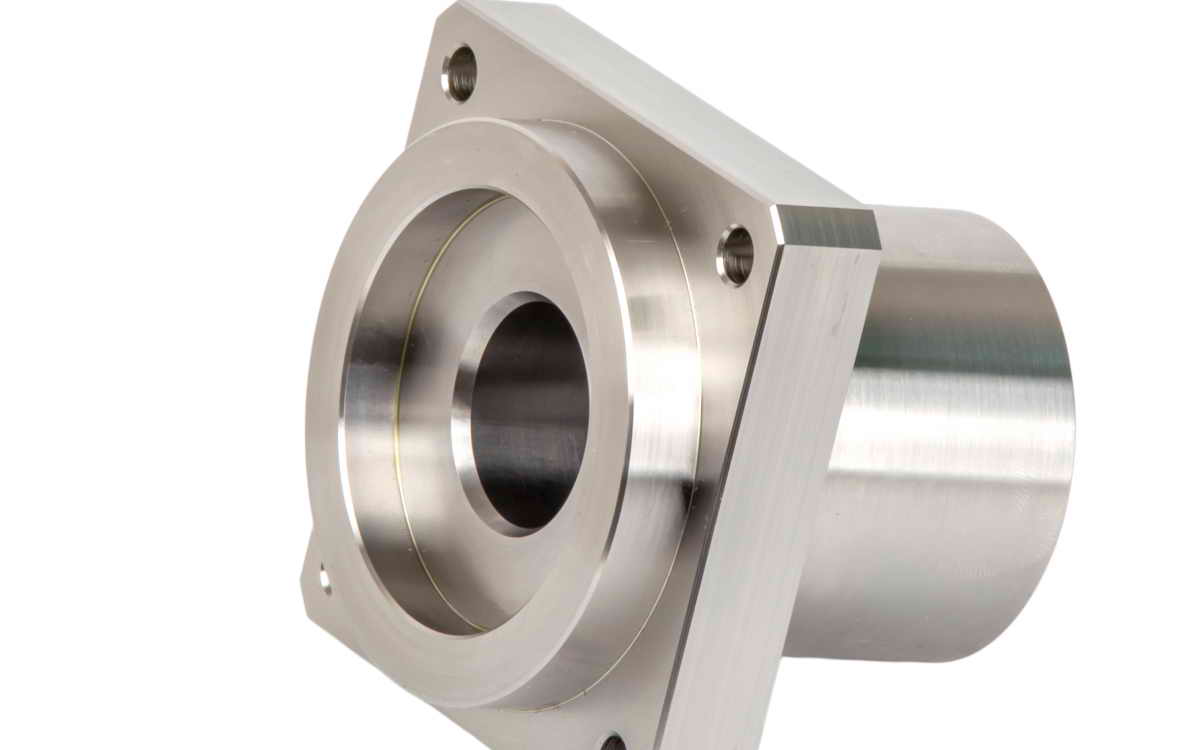
5-axis machined aerospace brackets from MiGi: complex brackets in 7075 aluminum ...
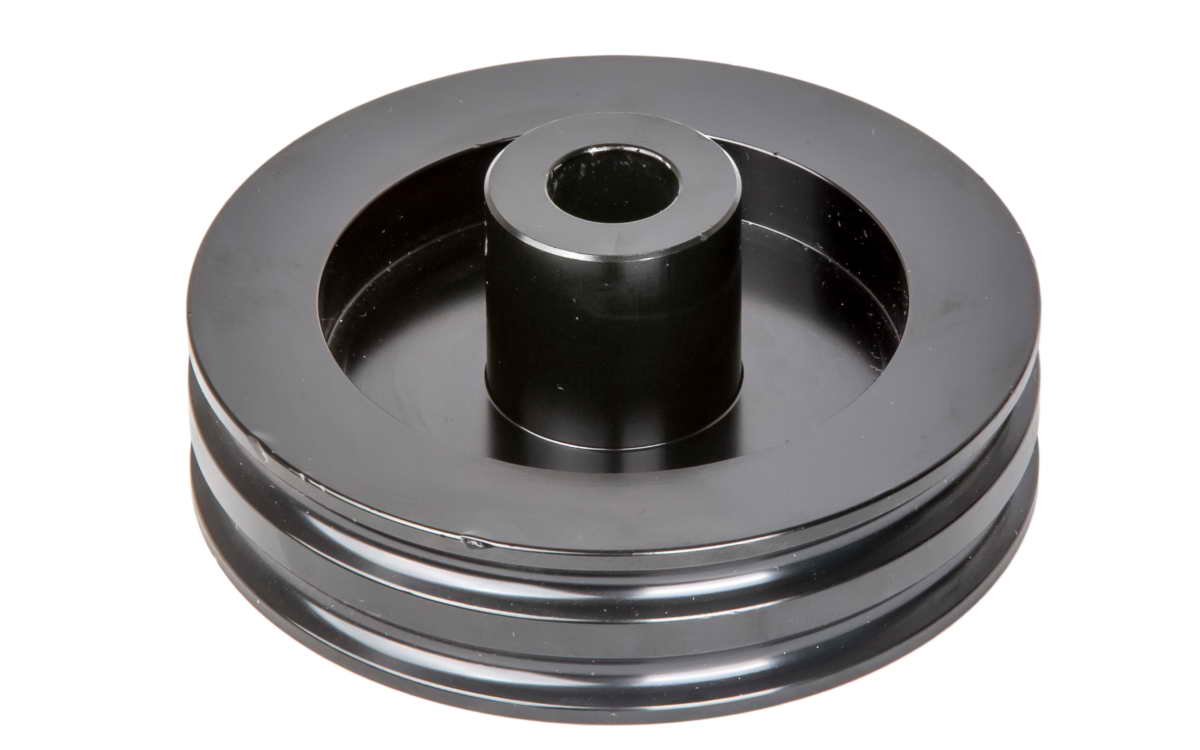
Precision CNC turned shafts from MiGi: shafts, pins and bushings in steel, stain...
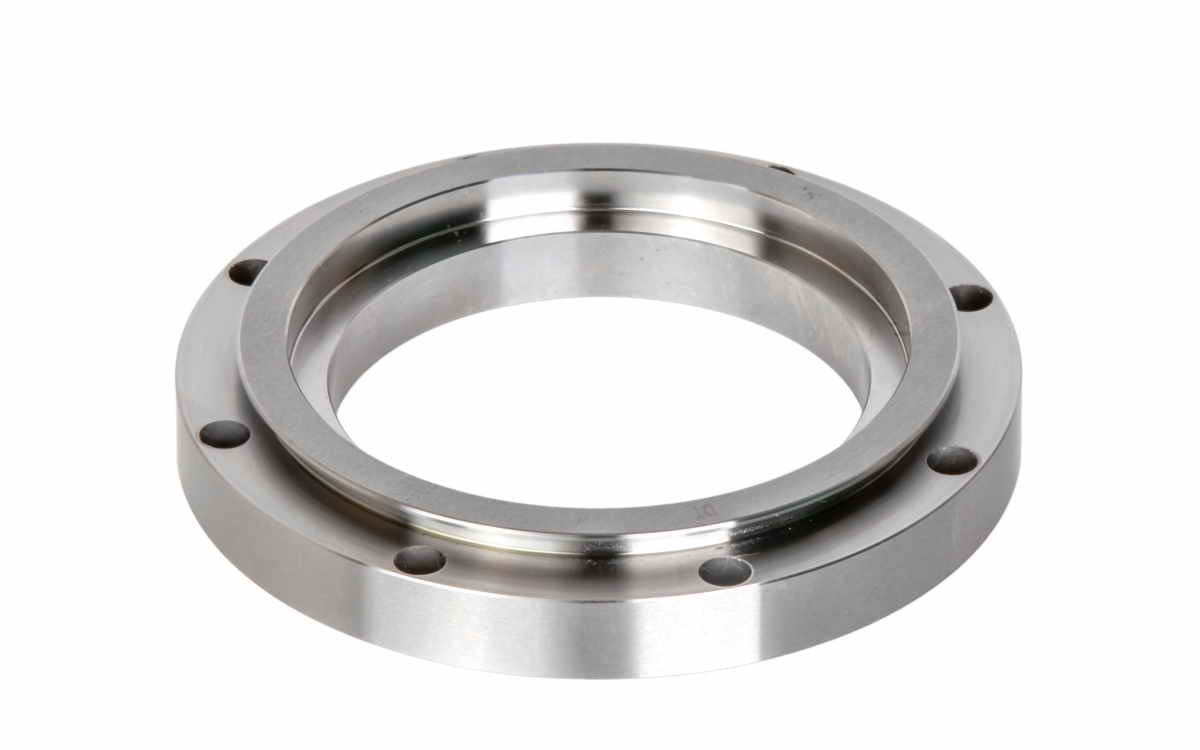
CNC machined aluminum housings from MiGi: 6061 and 7075 enclosures with tight to...
Tool steels for molds and dies: P20, H13, S136 and D2, with heat treatment, hardness and t...
Engineering plastics POM PEEK nylon: compare strength, heat, friction and moisture to pick...
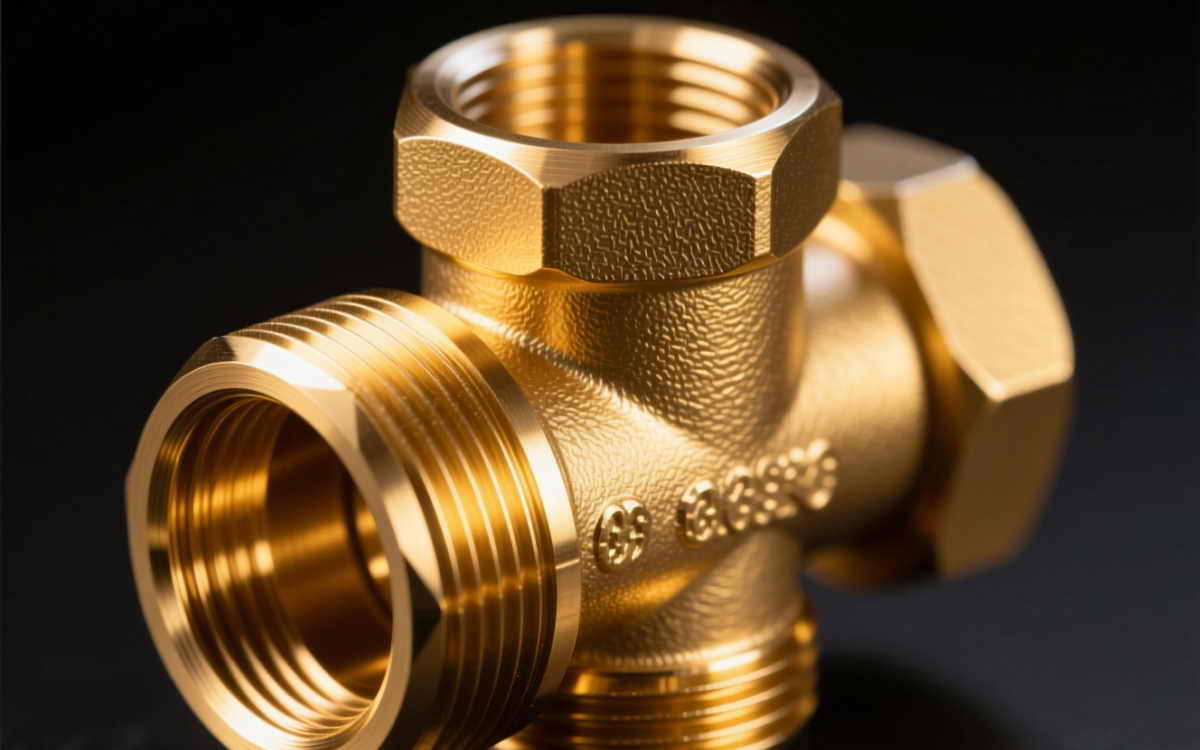
Brass and copper machining: conductivity, machinability, corrosion and common grades. When...
Titanium TC4 machining: Ti-6Al-4V strength, weight, biocompatibility and corrosion, plus p...
Stainless steel 303 vs 304 vs 316: compare machinability, corrosion resistance and cost to...
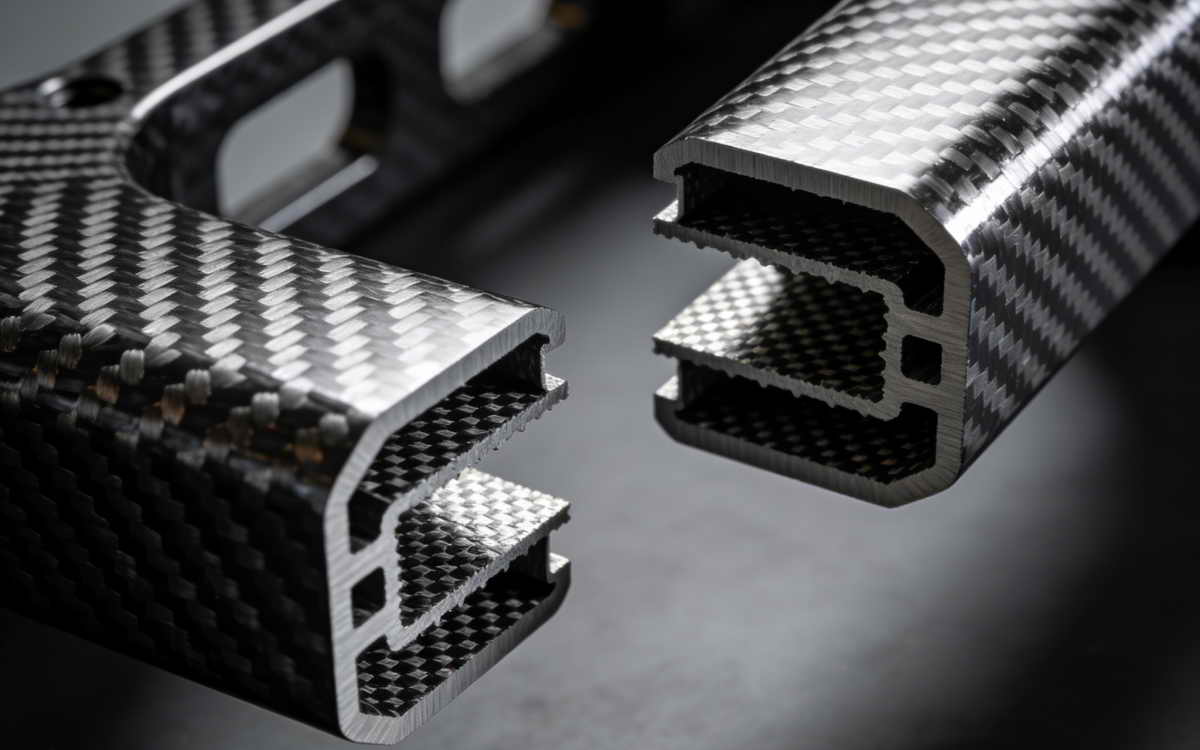
Aluminum 6061 vs 7075: compare strength, cost, corrosion, weldability and machinability to...
Designing for die casting: wall thickness, draft, fillets, porosity and machining allowanc...
Designing for injection molding: wall thickness, draft, ribs, gates, undercuts and weld li...
Threads and holes design: standard sizes, thread depth, blind vs through holes and clear c...
Surface finish guide for machined parts: Ra values, as-machined vs finishing, cosmetic vs ...
Tolerances and fits guide: ISO fits, GD&T, datums and how to specify them clearly, so you ...
Designing for CNC machining: DFM basics on wall thickness, tolerances, undercuts, threads ...
From Mold to Production
We handle the full chain: mold design and tool making with flow analysis, rapid tooling for pilot runs and market tests, plastic injection molding in ABS, PC, PP, PA, POM, PMMA and more, liquid silicone rubber (LSR) molding for seals and soft parts, and secondary work such as trimming, assembly, printing and finishing. You approve T1 samples before we run production, so volume starts from a proven tool. First article reports are available on request, and we keep the process on file so repeat orders match the first batch.
When to Choose Molding
Pick injection molding when you need hundreds to millions of identical plastic parts. The mold costs money up front, but the per-part price drops fast with volume, so the break-even is usually a few hundred to a few thousand parts depending on the part. For a few dozen parts, urethane casting or 3D printing is cheaper because there is no tooling cost. For metal parts, look at die casting. Not sure? Send the file and the quantity, and we will recommend the route and show you the break-even so you can decide.
Related Product Applications
See how these parts work in real products across cars, robots, medical devices, electronics and consumer goods.
Related Industry Knowledge
Guides on materials, tolerances, DFM and process choice, written for buyers and designers.
Related Manufacturing Notes
How we design, build and check parts, from the first drawing to the finished box.
Related Videos
Watch the machines, tooling and inspection steps in action.
Related News
New equipment, new processes and factory updates.
Related Technical Blogs for Injection Molding Service
Explore our latest engineering insights, manufacturing guides, and technical blog posts related to Injection Molding Service.
Related FAQs
Quick answers on quotes, lead times, tolerances, materials and shipping.
Q How long does production take? ▼
Simple CNC prototypes ship from 3 days. Production lead time depends on quantity, material and finishing, and we confirm a realistic schedule in the quote. Molding and casting add tooling time up front, then run fast cycles, so the first batch takes longer but repeat orders are quick. We keep programs, fixtures and inspection plans on file, so repeat orders are fast and consistent. If material is not in stock it can add time, so we order it early and track it. We give you a clear schedule before you order, and if anything changes we tell you early, not at the last minute.
Q What tolerances can you hold? ▼
We hold close tolerances to your drawing and check critical sizes on the CMM. Standard machining is around +/-0.05 mm, which is fine for most features, and tighter tolerances down to a few microns are possible on reviewed features. The key is to tighten only the sizes that affect fit or function, because tight tolerances everywhere add cost for no benefit. Tell us which sizes matter most and we will confirm what we can hold and how we will measure them. For critical features we agree the measuring method before production, so the result is verified and not disputed.
Q What materials do you work with? ▼
We machine 30+ metals and plastics. Metals include aluminum (6061, 7075, 2024, 5083), stainless steel (303, 304, 316, 17-4PH), carbon and alloy steel, titanium (TC4), brass, copper and magnesium. Plastics include POM, PEEK, nylon, PC, ABS, PMMA, PTFE and PPS. For molding we run ABS, PC, PP, PA, POM and silicone (LSR), and for die casting we use aluminum, zinc and magnesium alloys. Tell us the application, the load and the environment, and we will recommend the grade that meets the function at the lowest cost. Material certificates are available on request.
Q How fast can I get a quote? ▼
Send your CAD file (STEP, IGES or X_T) and a 2D drawing with tolerances if you have one, plus the material, quantity and finish. Our engineers review it and reply with a quote and DFM feedback, usually within 24 business hours. Complex projects may take a little longer, and we will let you know. The quote includes unit price, tooling cost if any, lead time and practical DFM advice on how to cut cost. The more detail you give, the faster and more accurate the quote, so include tolerances, finish and any special needs like assembly or testing.
Q What is your minimum order quantity? ▼
We have no strict minimum order quantity. We make one prototype or a full production run, and we are happy to start with a single part. For CNC machining and 3D printing, one part is fine and there is no tooling cost, so low quantities are economical. For injection molding and die casting, the tooling cost means higher volumes are more economical per piece, but we will show you the break-even volume so you can decide. If you are testing a design or launching a product, we support small batches and scale with you as demand grows. Tell us the quantity you have in mind and we will recommend the best process for it.