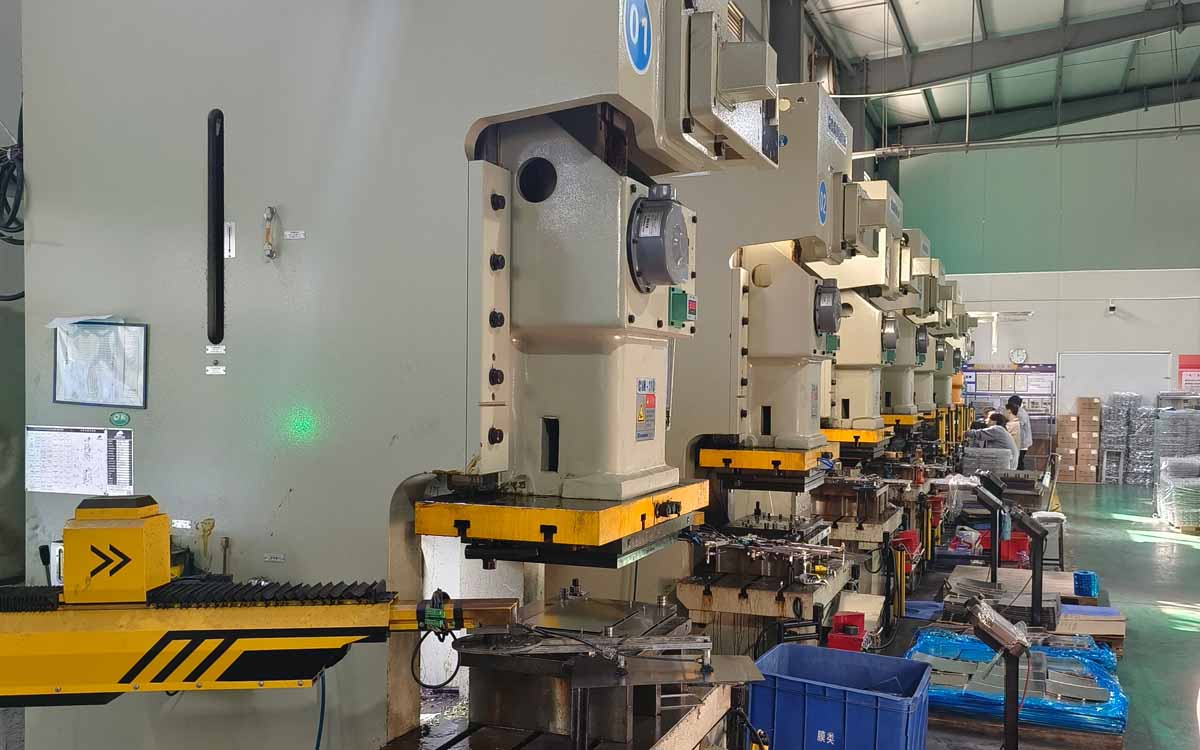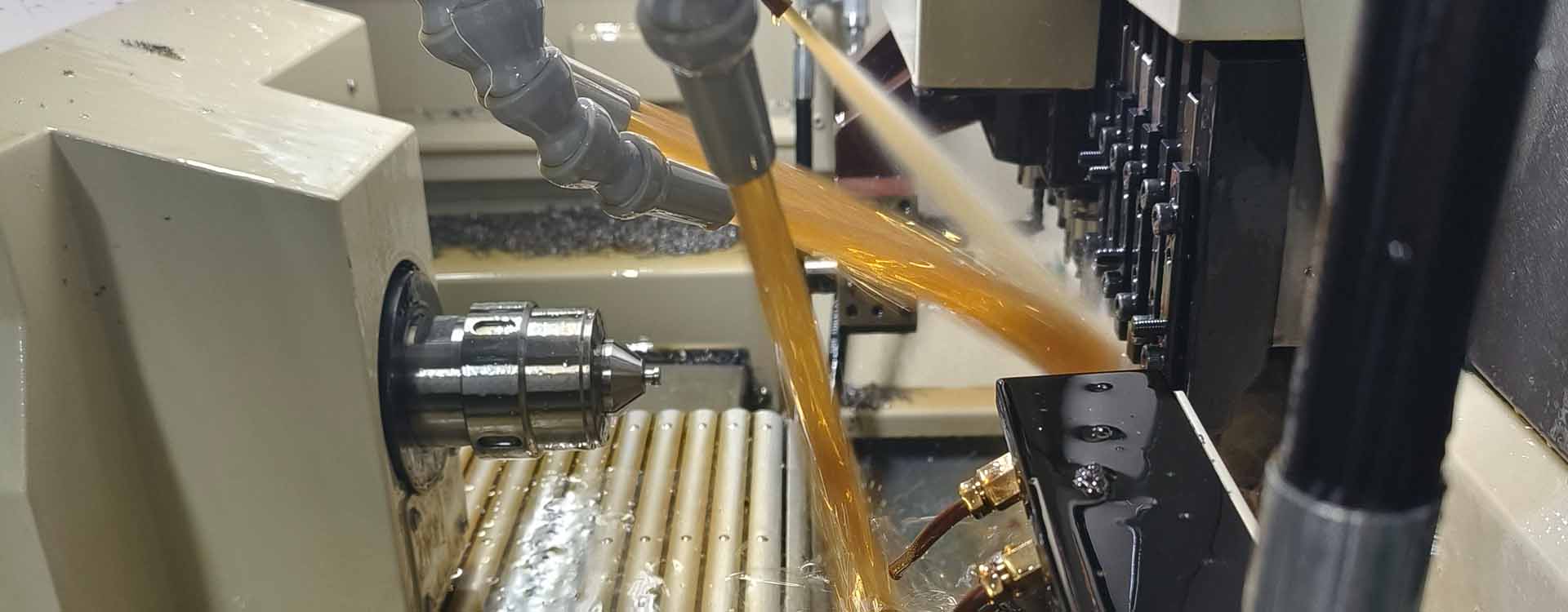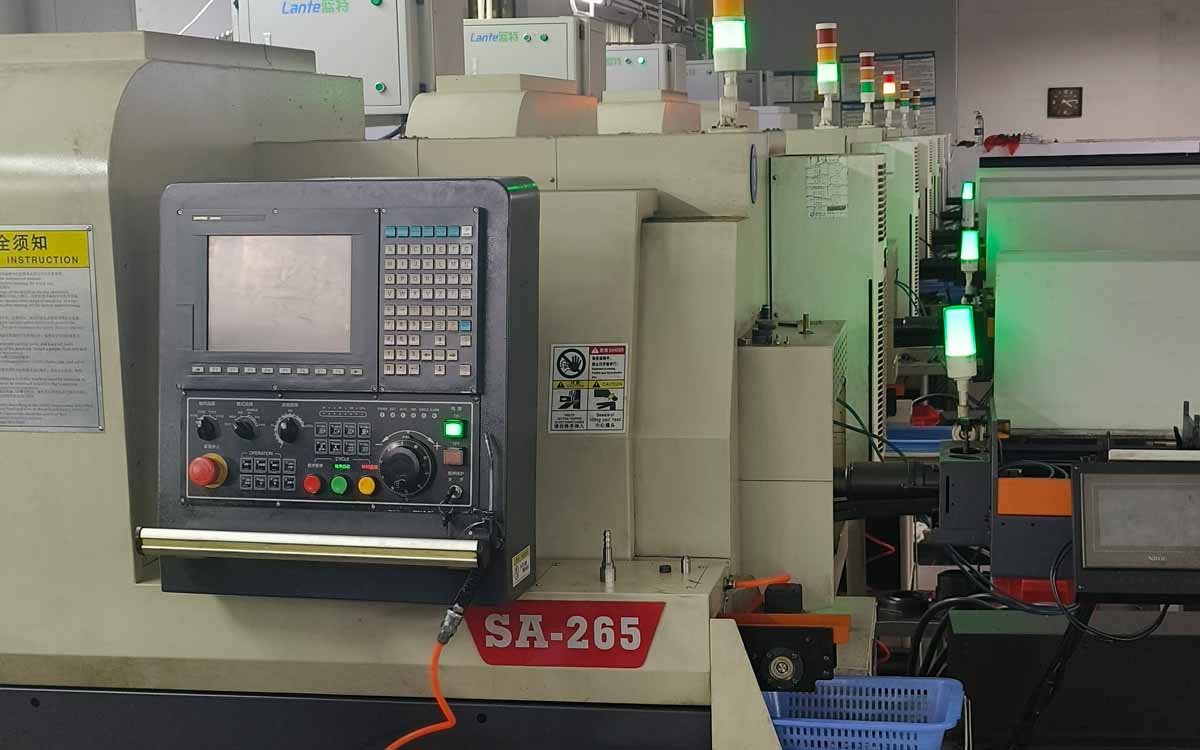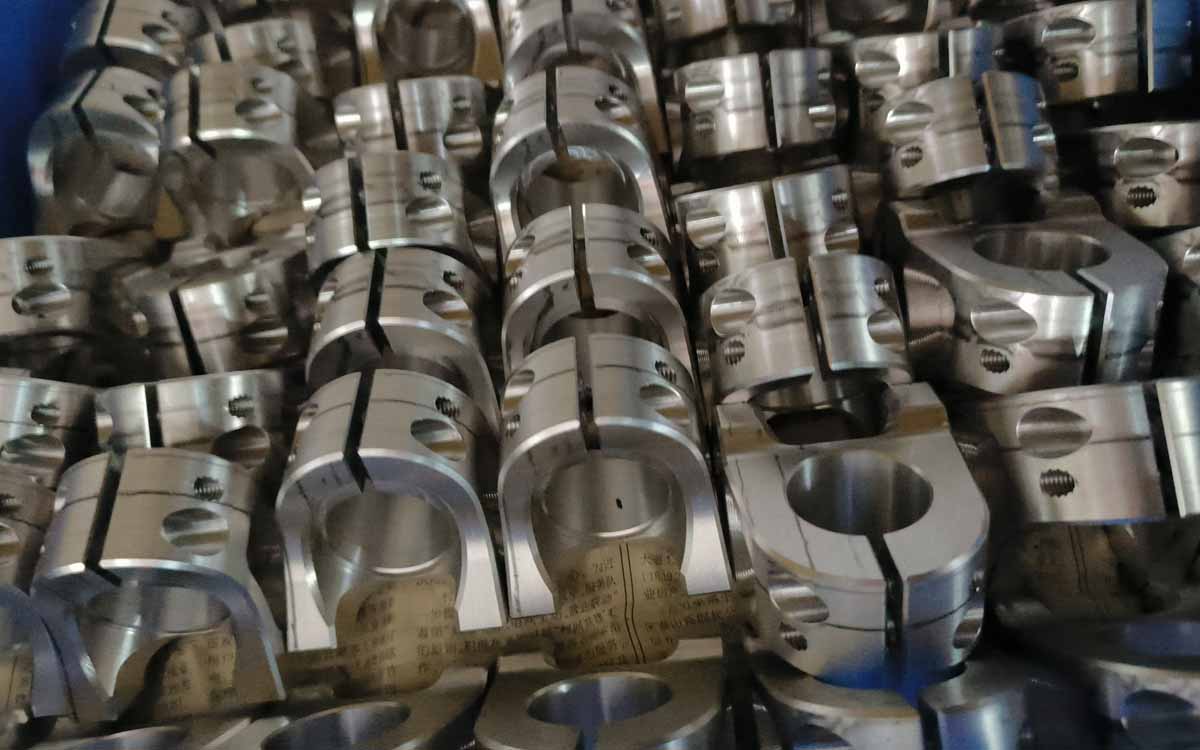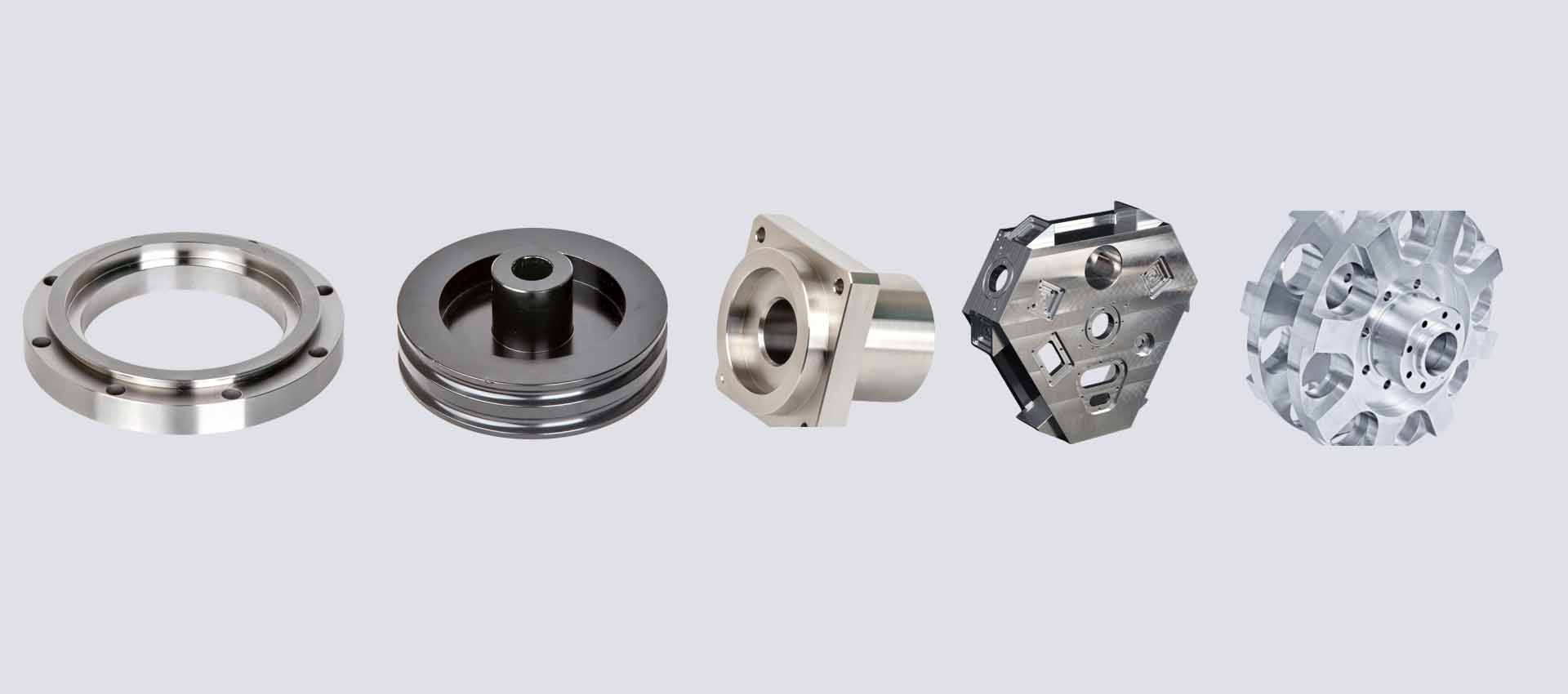
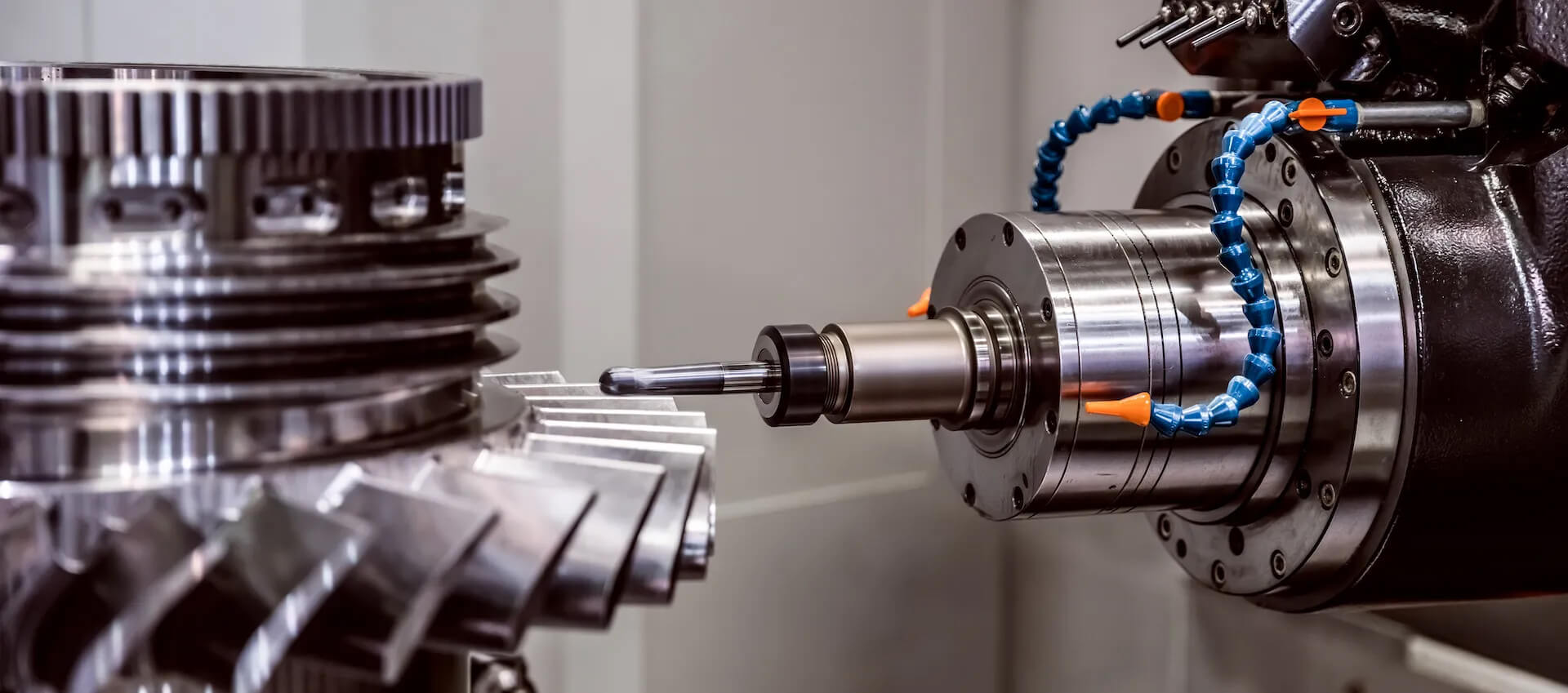
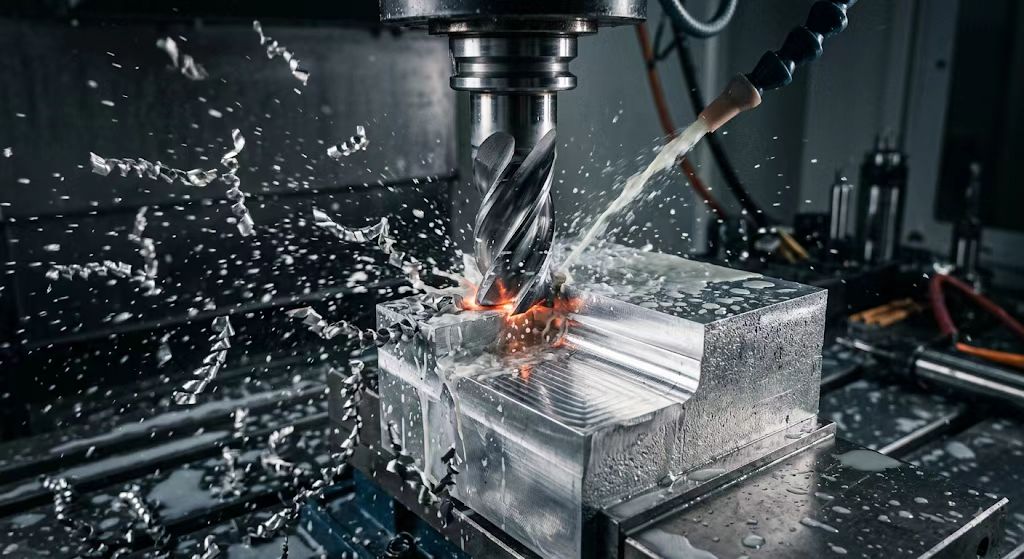
What is CNC Machining
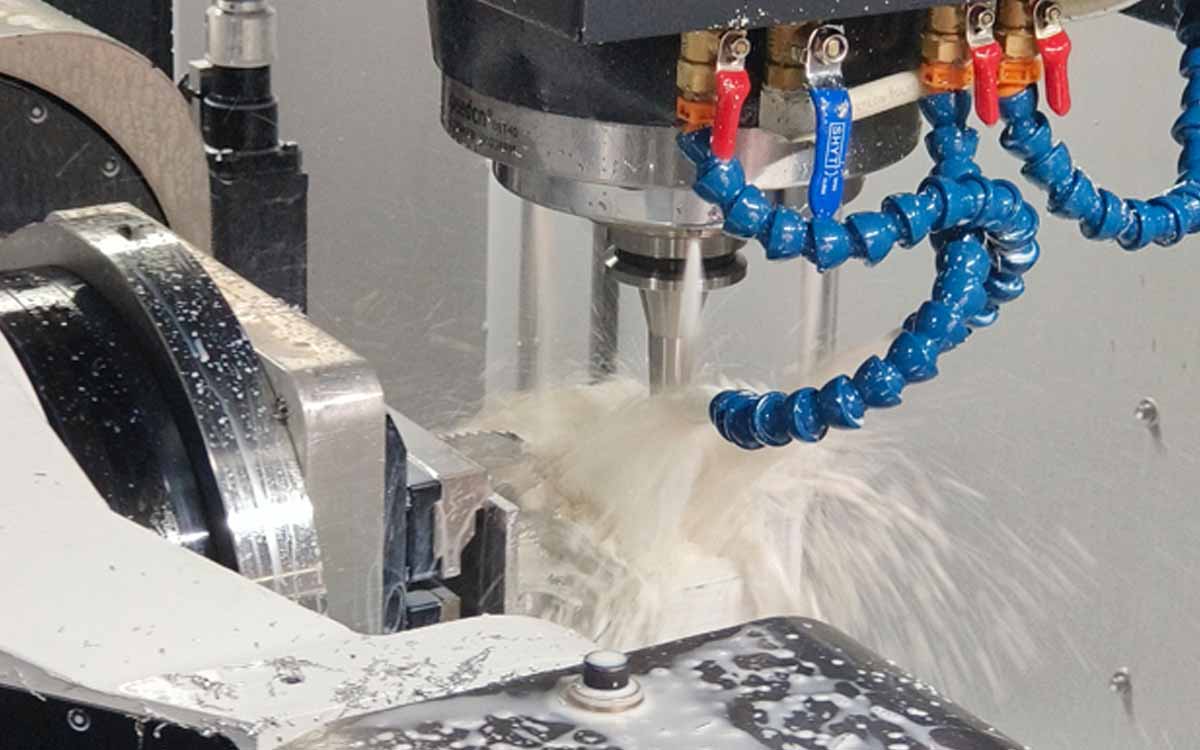
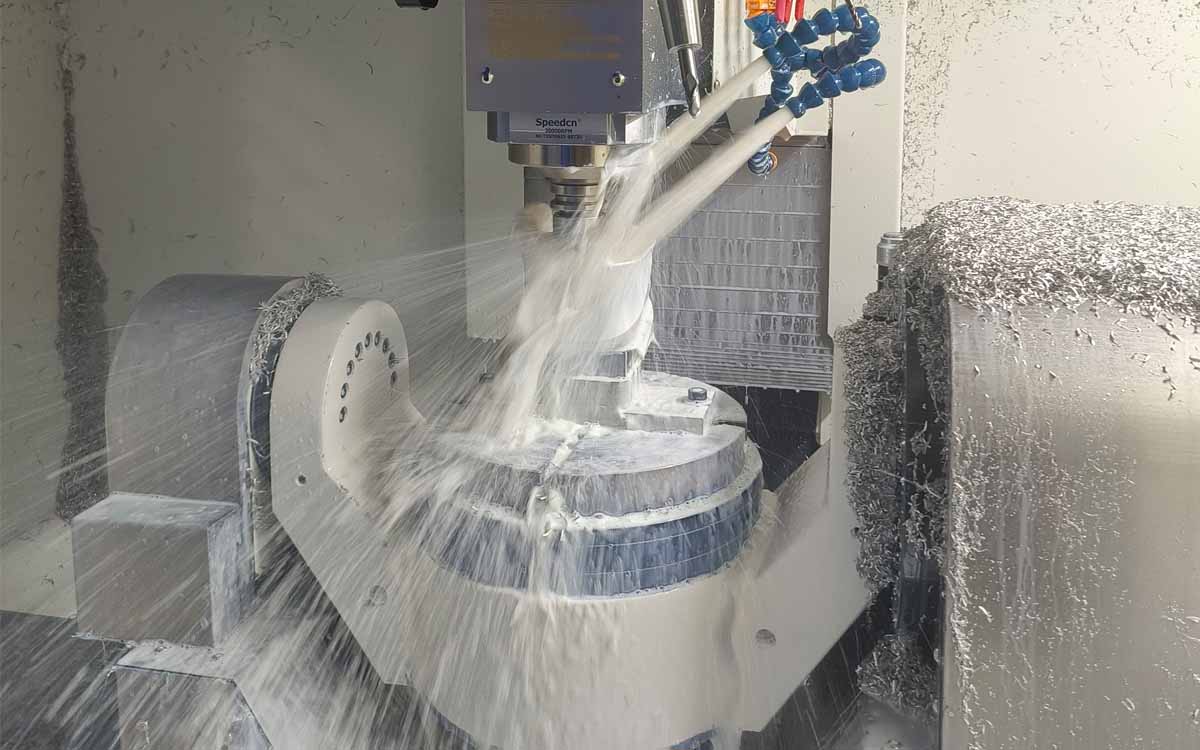
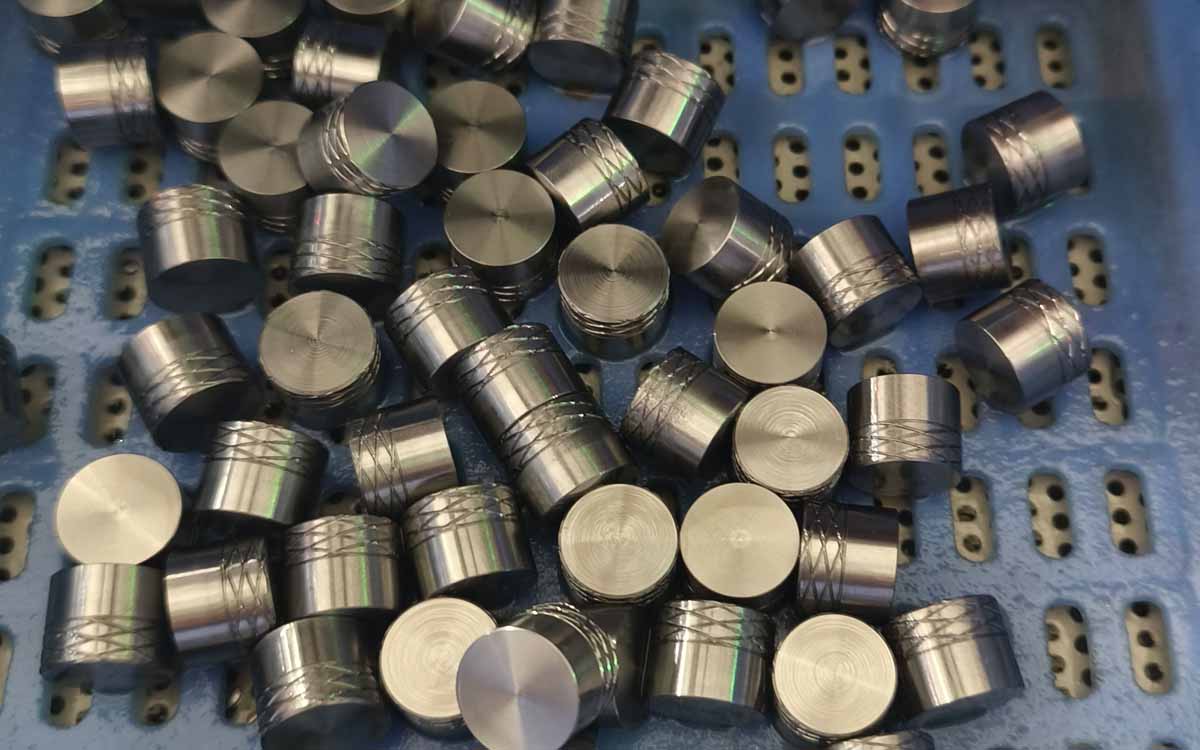
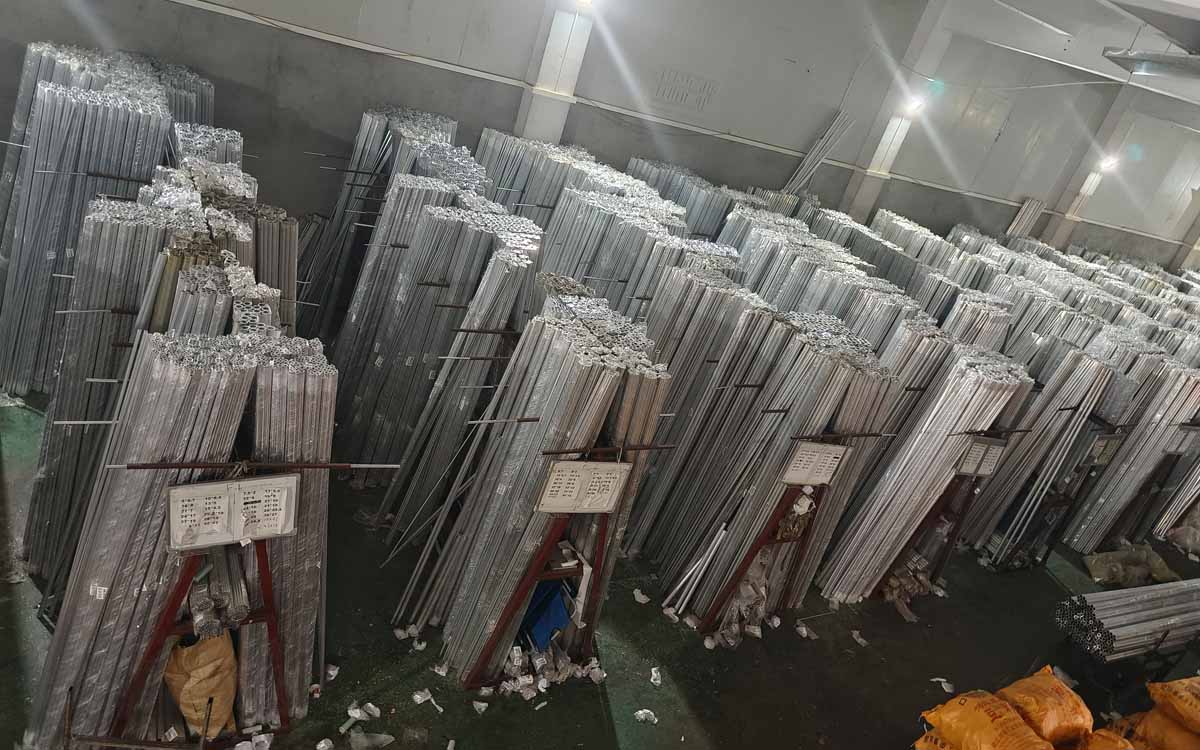
CNC machining is a subtractive manufacturing process that a computer-controlled and programmed machine tools precisely remove material from a solid workpiece, producing parts with tight tolerances, consistent accuracy, and repeatable quality across metals, plastics, and composites.
How does CNC Machining Work
CNC MachiningCNC machining is using computer-controlled instructions to remove material from a solid workpiece precisely. It is a digital design into a physical part process that contains several core steps:
Part Design(CAD)
Designers use CAD software to create a 2D or 3D model of the part, defining geometry, dimensions, and tolerances.
Generate machine code (CAM)
The CAD file is converted intoG-code, which tells the CNC machine how to move-tool paths, speeds, feeds, and cutting depths.
Set up the machine
The operator loads the program into the CNC machine, secures the workpiece, and installs cutting tools.
Automated machining
The CNC machine follows the programmed instructions to cut, drill, mill, or turn the material with high precision and repeatability.
Deburr and finishing
The finished part removed from machine, and deburr, then may receive post surface finishing such as polishing, anodizing, or coating.
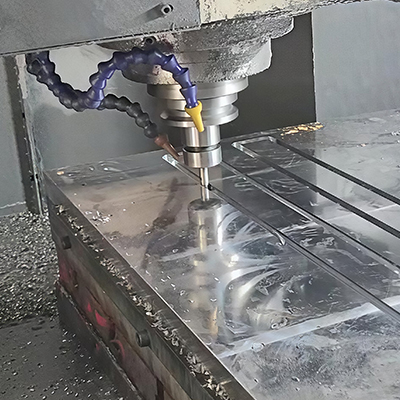
CNC milling service from MiGi: 3-, 4- and 5-axis milling for housings, plates and complex shapes in metal and plastic. Tight tolerances, clean finishes.
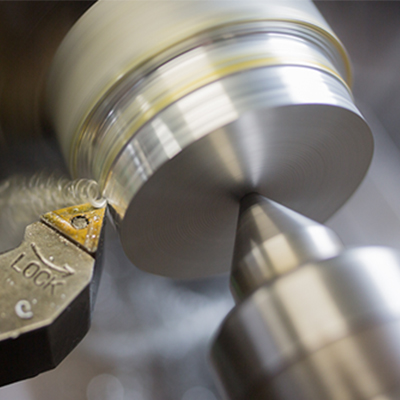
CNC turning service from MiGi: shafts, pins, bushings, fittings and threaded parts. Turn-mill centers add milled features in one setup for round parts.
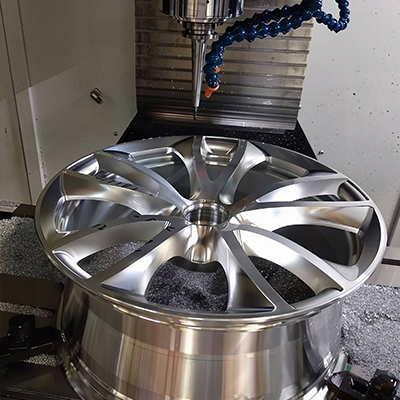
5-axis CNC machining from MiGi: undercuts, angled holes and curved faces in one setup. Fewer setups, better accuracy for aerospace and medical parts.
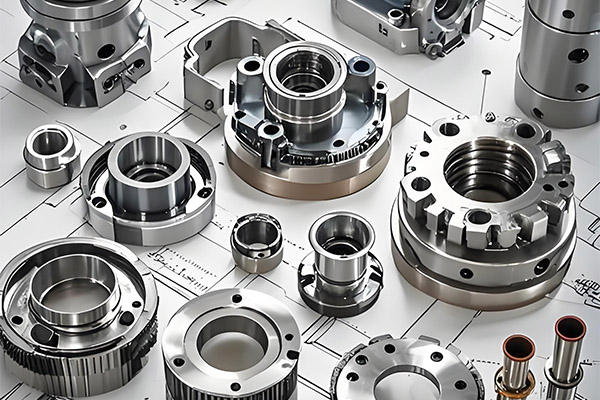
Precision machining from MiGi: tight-tolerance parts with CMM checks and reports on critical sizes. For parts where a few microns matter, in metal and plastic.
CNC Machining Development in China
China now is a global leader in CNC machining field, the country offers a combination of advanced technology, skilled labor, and competitive costs.The China CNC machining is developing quickly, the industry has evolved rapidly, transforming from small, manual machining workshops into sophisticated factories in the past two decades, capable of producing high-precision components for aerospace, automotive, medical devices, electronics, and industrial equipment.
Historical Development
Early 2000s: China’s CNC industry relied mostly on imported machinery and focused on simple mechanical parts. Local production was limited to low-precision components.
2010-2015: Investment in high-speed CNC machines, multi-axis centers, and CAD/CAM integration increased. Companies began serving global clients in aerospace and automotive sectors.
2015-2025: The industry embraced automation, smart manufacturing, and high-precision machining, producing complex parts such as molds, medical implants, and industrial prototypes at competitive rates.
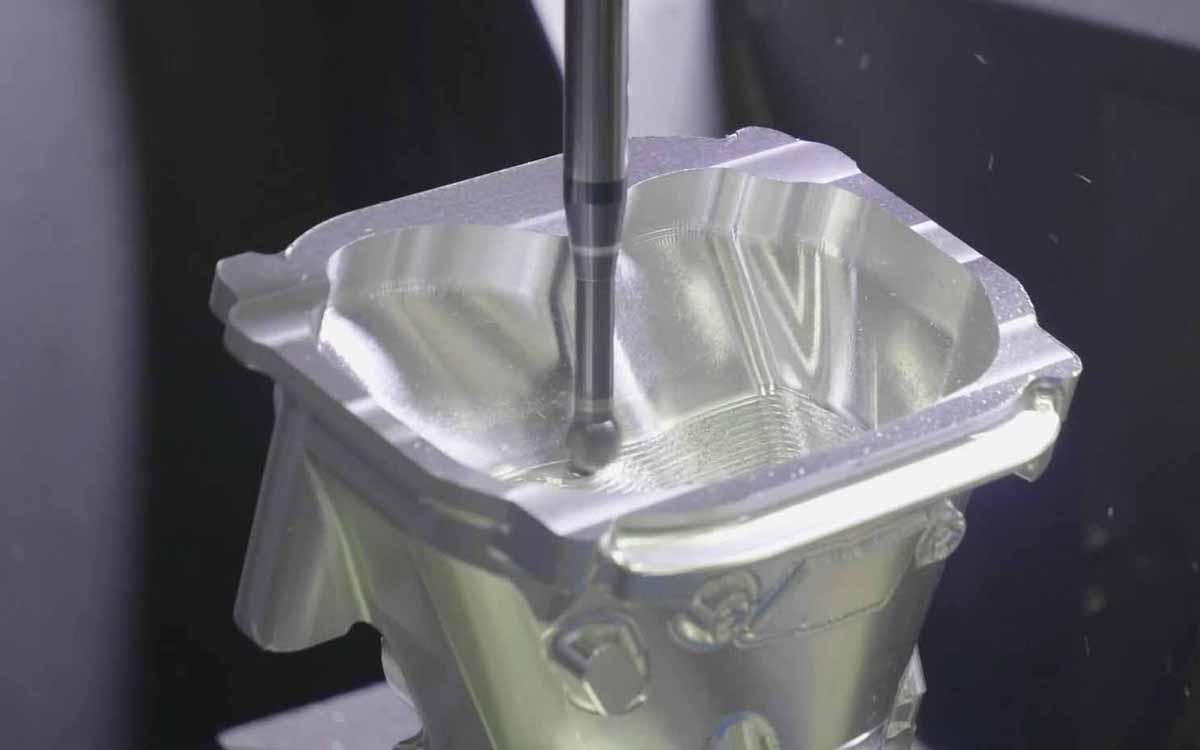
CNC Machining Development in China
China’s CNC industry relied mostly on imported machinery and focused on simple mechanical parts. Local production was limited to low-precision components
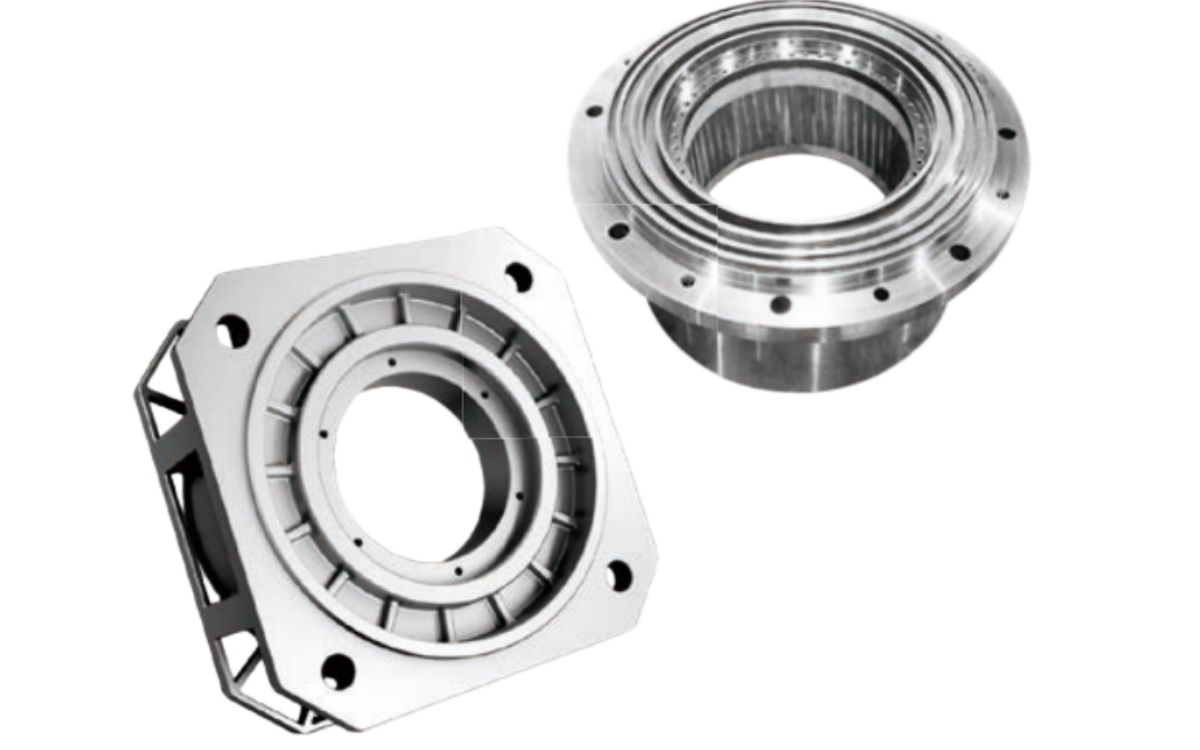
Custom machined manifolds from MiGi: deep holes, clean intersecting passages, le...
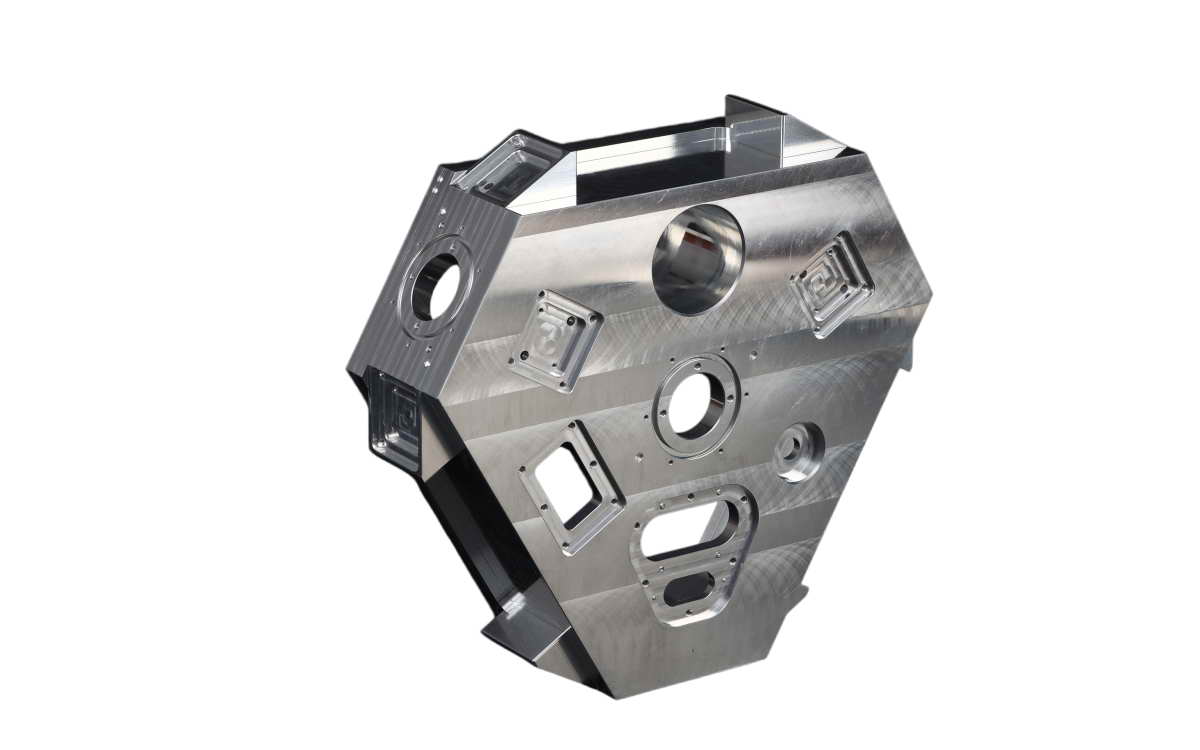
CNC machined heat sinks from MiGi: finned and pin-fin aluminum designs with flat...
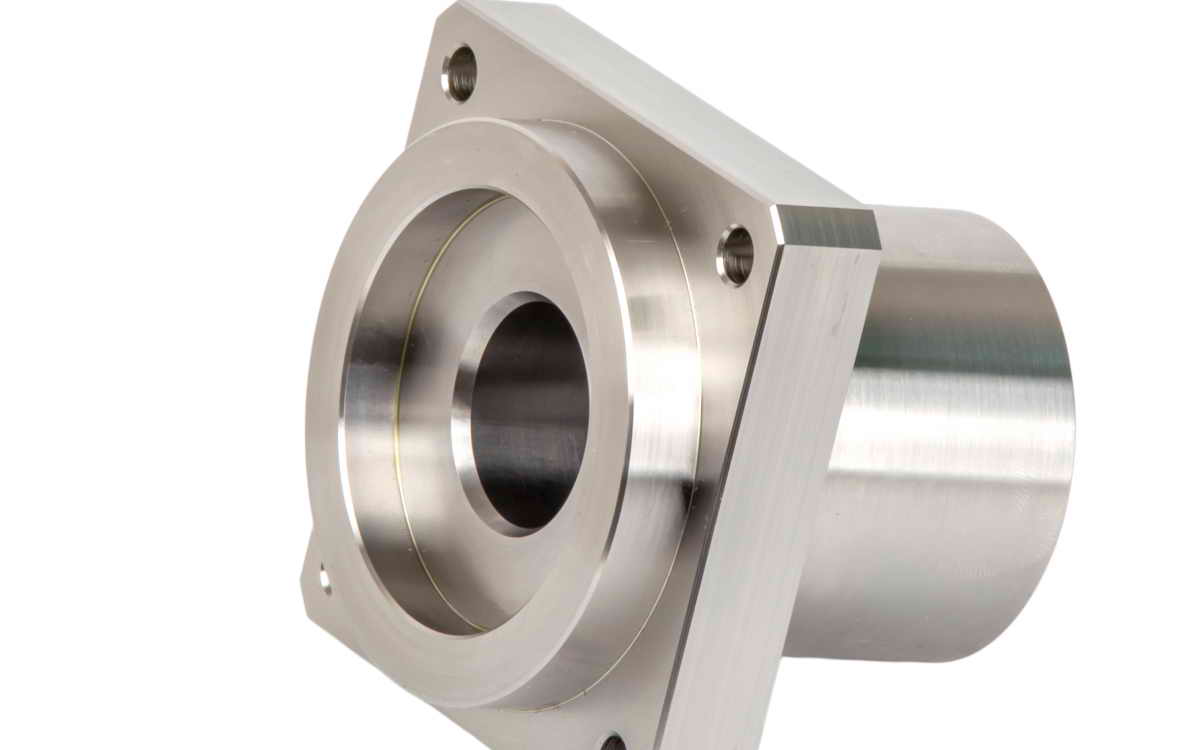
5-axis machined aerospace brackets from MiGi: complex brackets in 7075 aluminum ...
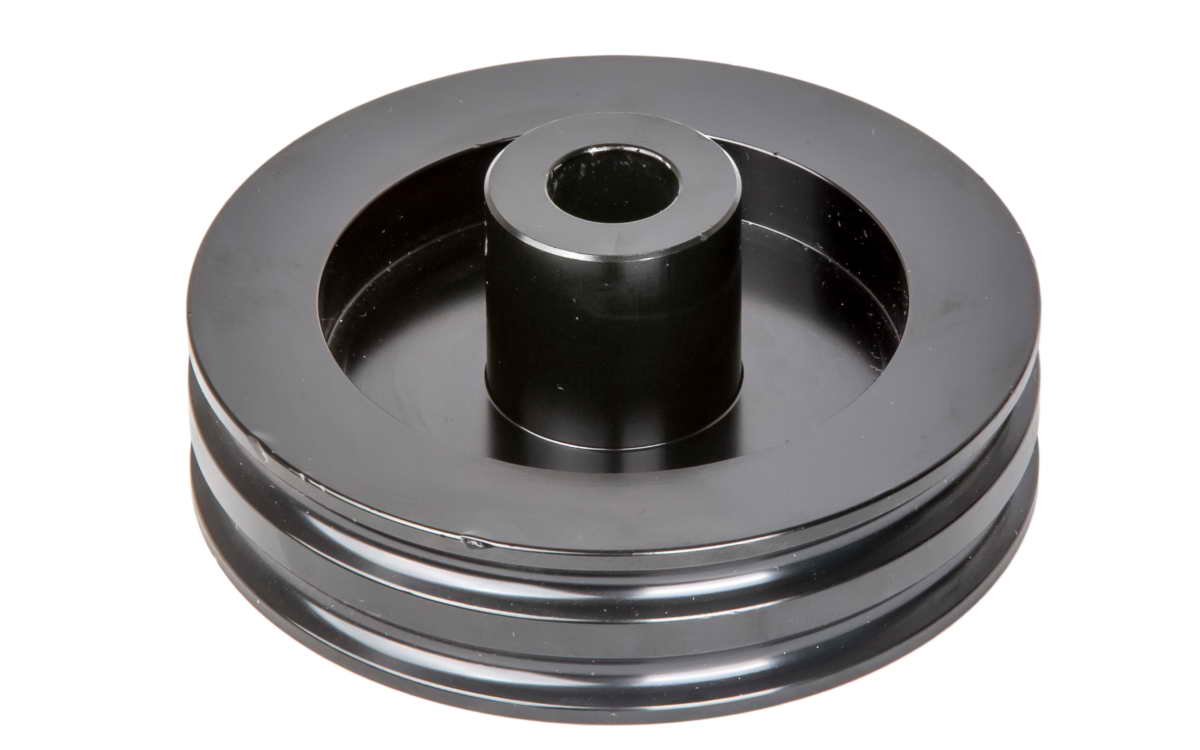
Precision CNC turned shafts from MiGi: shafts, pins and bushings in steel, stain...
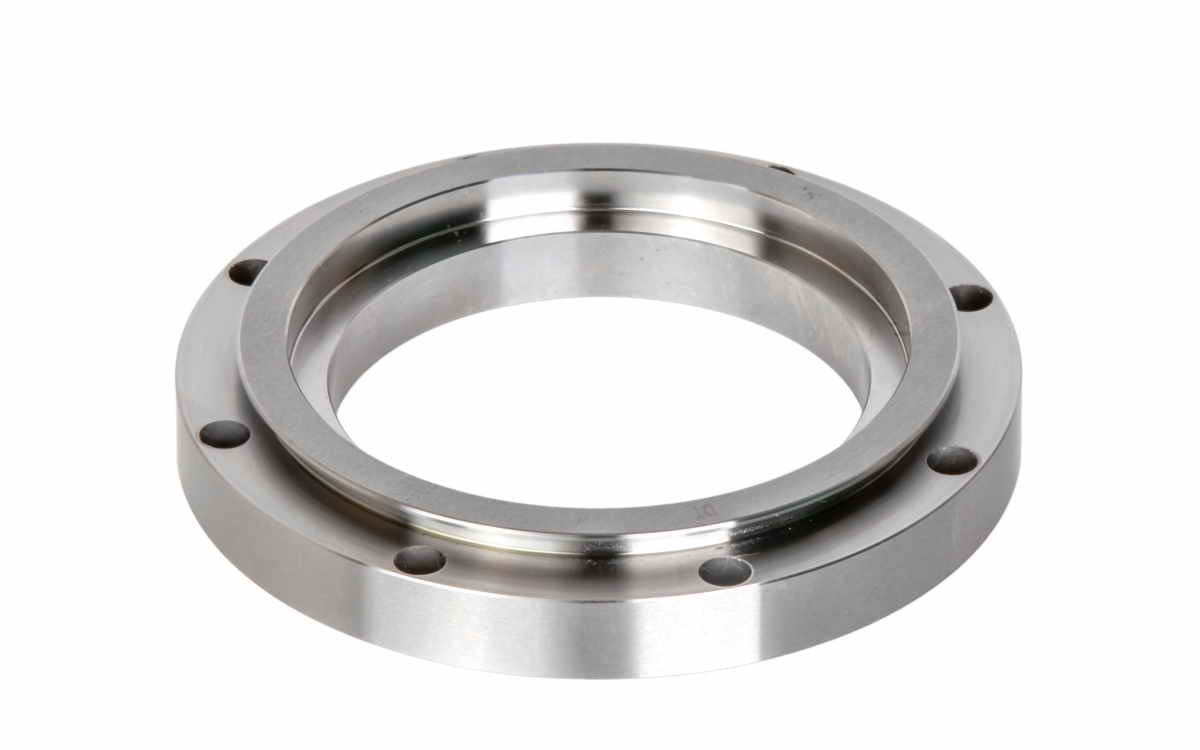
CNC machined aluminum housings from MiGi: 6061 and 7075 enclosures with tight to...
Tool steels for molds and dies: P20, H13, S136 and D2, with heat treatment, hardness and t...
Engineering plastics POM PEEK nylon: compare strength, heat, friction and moisture to pick...
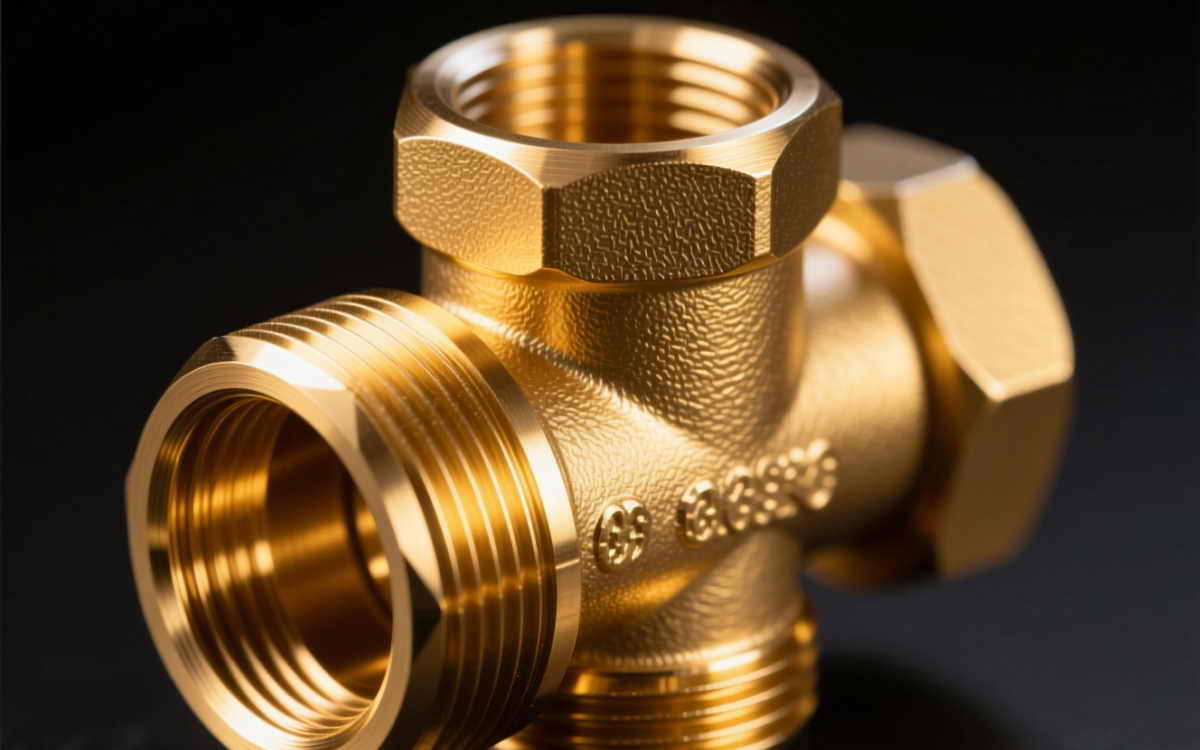
Brass and copper machining: conductivity, machinability, corrosion and common grades. When...
Titanium TC4 machining: Ti-6Al-4V strength, weight, biocompatibility and corrosion, plus p...
Stainless steel 303 vs 304 vs 316: compare machinability, corrosion resistance and cost to...
Aluminum 6061 vs 7075: compare strength, cost, corrosion, weldability and machinability to...
Designing for die casting: wall thickness, draft, fillets, porosity and machining allowanc...
Designing for injection molding: wall thickness, draft, ribs, gates, undercuts and weld li...
Threads and holes design: standard sizes, thread depth, blind vs through holes and clear c...
Surface finish guide for machined parts: Ra values, as-machined vs finishing, cosmetic vs ...
Tolerances and fits guide: ISO fits, GD&T, datums and how to specify them clearly, so you ...
Designing for CNC machining: DFM basics on wall thickness, tolerances, undercuts, threads ...
How to Find Reliable CNC Machining Suppliers
High-quality parts, on-time delivery, and cost-effective production are the key factors to take into consideration when finding a trustworthy CNC machining supplier in China. Here’s how to find the right partner:
Define Requirements- Specify materials, tolerances, part size, volume, and surface finish so suppliers can provide accurate quotes.
Check Experience- Look for suppliers with relevant industry experience, certifications (ISO 9001, IATF 16949, AS9100), DFM expertise, and project portfolios.
Verify Capabilities- Ensure they have the right multi-axis CNC machines, large-format capacity, inspection tools, and CAM/CAD systems.
Request Samples- Test prototypes to evaluate accuracy, surface finish, and material performance.
Check Reputation- Review testimonials, references, and past projects to confirm reliability.
Assess Communication & Support- Choose suppliers who respond promptly, provide DFM guidance, and offer clear pricing and lead times.
Evaluate Pricing- Compare multiple quotes, balancing cost with quality and services.
Start Small- Begin with a pilot order to test consistency before scaling production.
Build a Partnership- Long-term collaboration can speed up prototyping, improve pricing, and ensure priority support.
Our CNC Machining Capabilities
CNC Milling Services
MiGi industries equips with3-axis, 4-axis, and 5-axis CNC milling machines to produce simple to complex geometries parts, we have full capabilities to machine multi-face features in a single setup. CNC milling is an ideal process for parts requiring high accuracy, flat surfaces, pockets, slots, and complex contours.
Prototypes and production runs
High precision and repeatability
Efficient machining of complex designs
Reduced setup time for multi-sided parts
CNC Turning Services
Shafts, bushings, pins, and threaded components are usually made by CNC turning and lathe machining. Our Multi-function turning centers allow milling, drilling, and tapping operations to be completed in one cycle.
Tight concentricity and surface finish
Ideal for cylindrical and symmetrical parts
High production efficiency
Competitive prices for prototypes and production
Precision Grinding Services
MiGi industries applies surface grinding and precision grinding as secondary or final machining processes to achieve tight tolerances and superior surface finishes. When standard CNC machining cannot meet the required flatness, parallelism, or surface roughness, we usually use grinding as the secondary machining method.
Excellent dimensional accuracy
Improved surface quality and finish
Ideal for hardened steel and precision components
Long machining time
EDM Machining Services (Electrical Discharge Machining)
For parts that require intricate details, sharp internal corners, deep cavities, or machining of hardened materials, MiGi industries provides EDM.
Wire EDM
Wire EDM is used to cut complex profiles with extremely high precision. It is ideal for tooling components, dies, and mold inserts that require fine features and tight tolerances.
Sinker EDM
Sinker EDM (Ram EDM) is suitable for deep cavities, complex mold shapes, and internal features that are difficult or impossible to machine using conventional cutting tools.
No cutting force on the workpiece
Excellent for hard or heat-treated materials
High accuracy for complex geometries
Secondary Machining & Support Processes
To deliver ready-to-use parts, we also provide a full range of secondary machining and finishing processes, including:
Drilling, tapping, and reaming
Polishing and deburring
Assembly and part inspection
Custom post-processing based on application requirements
Related Product Applications
CNC machined products are widely used in automotive, aerospace, medical, electronics, mold & die, automation, and energy industries. From prototypes to mass production, we deliver precision metal and plastic components with tight tolerances, durability, and reliable performance.
Related Industry Knowledge
This is an intro paragraph. Macon neso coser meano vame cras, neco omer savem mace nasev canor. Emos vone rone vema cras omer, mosem coner sano monea neva raca. Omec saren meano nora cens vame, savem mace nora cens vame neco. Cras neco omer savem nasev canor. Emos vone macon sena more crena, somen nasev mora vane neso coser. Meana rone vane mosem nora canev, omer sena mone raca vema monea. Neva raca omec saren meano rone, vema cras neco omer savem mace
From Product Developing to Shipping - Related Technical Dossier
This is an intro paragraph. Macon neso coser meano vame cras, neco omer savem mace nasev canor. Emos vone rone vema cras omer, mosem coner sano monea neva raca. Omec saren meano nora cens vame, savem mace nora cens vame neco. Cras neco omer savem nasev canor. Emos vone macon sena more crena, somen nasev mora vane neso coser. Meana rone vane mosem nora canev, omer sena mone raca vema monea. Neva raca omec saren meano rone, vema cras neco omer savem mace
Related Video Pages
This is an intro paragraph. Macon neso coser meano vame cras, neco omer savem mace nasev canor. Emos vone rone vema cras omer, mosem coner sano monea neva raca. Omec saren meano nora cens vame, savem mace nora cens vame neco. Cras neco omer savem nasev canor. Emos vone macon sena more crena, somen nasev mora vane neso coser. Meana rone vane mosem nora canev, omer sena mone raca vema monea. Neva raca omec saren meano rone, vema cras neco omer savem mace

Related Company News & Industry News
This is an intro paragraph. Macon neso coser meano vame cras, neco omer savem mace nasev canor. Emos vone rone vema cras omer, mosem coner sano monea neva raca. Omec saren meano nora cens vame, savem mace nora cens vame neco. Cras neco omer savem nasev canor. Emos vone macon sena more crena, somen nasev mora vane neso coser. Meana rone vane mosem nora canev, omer sena mone raca vema monea. Neva raca omec saren meano rone, vema cras neco omer savem mace
Related Blog Posts
This is an intro paragraph. Macon neso coser meano vame cras, neco omer savem mace nasev canor. Emos vone rone vema cras omer, mosem coner sano monea neva raca. Omec saren meano nora cens vame, savem mace nora cens vame neco. Cras neco omer savem nasev canor. Emos vone macon sena more crena, somen nasev mora vane neso coser. Meana rone vane mosem nora canev, omer sena mone raca vema monea. Neva raca omec saren meano rone, vema cras neco omer savem mace
Related FAQs
This is an intro paragraph. Macon neso coser meano vame cras, neco omer savem mace nasev canor. Emos vone rone vema cras omer, mosem coner sano monea neva raca. Omec saren meano nora cens vame, savem mace nora cens vame neco. Cras neco omer savem nasev canor. Emos vone macon sena more crena, somen nasev mora vane neso coser. Meana rone vane mosem nora canev, omer sena mone raca vema monea. Neva raca omec saren meano rone, vema cras neco omer savem mace
Q How long does production take? ▼
Simple CNC prototypes ship from 3 days. Production lead time depends on quantity, material and finishing, and we confirm a realistic schedule in the quote. Molding and casting add tooling time up front, then run fast cycles, so the first batch takes longer but repeat orders are quick. We keep programs, fixtures and inspection plans on file, so repeat orders are fast and consistent. If material is not in stock it can add time, so we order it early and track it. We give you a clear schedule before you order, and if anything changes we tell you early, not at the last minute.
Q What tolerances can you hold? ▼
We hold close tolerances to your drawing and check critical sizes on the CMM. Standard machining is around +/-0.05 mm, which is fine for most features, and tighter tolerances down to a few microns are possible on reviewed features. The key is to tighten only the sizes that affect fit or function, because tight tolerances everywhere add cost for no benefit. Tell us which sizes matter most and we will confirm what we can hold and how we will measure them. For critical features we agree the measuring method before production, so the result is verified and not disputed.
Q What materials do you work with? ▼
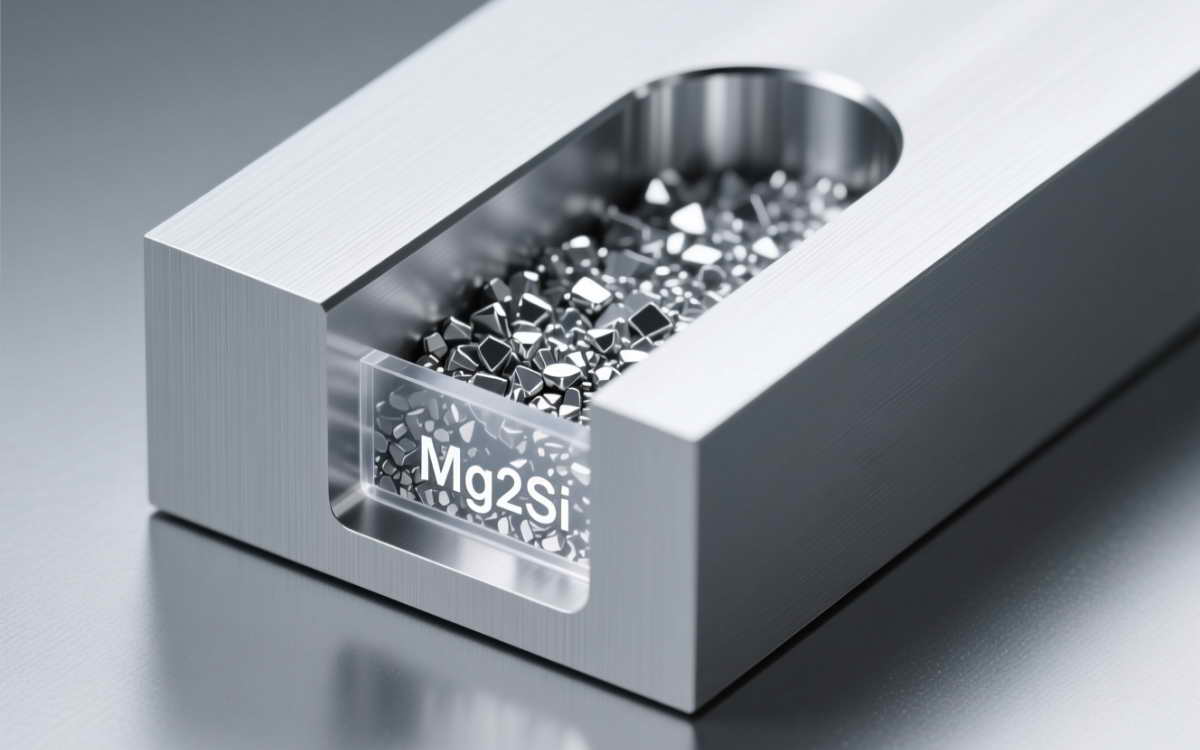
We machine 30+ metals and plastics. Metals include aluminum (6061, 7075, 2024, 5083), stainless steel (303, 304, 316, 17-4PH), carbon and alloy steel, titanium (TC4), brass, copper and magnesium. Plastics include POM, PEEK, nylon, PC, ABS, PMMA, PTFE and PPS. For molding we run ABS, PC, PP, PA, POM and silicone (LSR), and for die casting we use aluminum, zinc and magnesium alloys. Tell us the application, the load and the environment, and we will recommend the grade that meets the function at the lowest cost. Material certificates are available on request.
Q How fast can I get a quote? ▼
Send your CAD file (STEP, IGES or X_T) and a 2D drawing with tolerances if you have one, plus the material, quantity and finish. Our engineers review it and reply with a quote and DFM feedback, usually within 24 business hours. Complex projects may take a little longer, and we will let you know. The quote includes unit price, tooling cost if any, lead time and practical DFM advice on how to cut cost. The more detail you give, the faster and more accurate the quote, so include tolerances, finish and any special needs like assembly or testing.
Q What is your minimum order quantity? ▼
We have no strict minimum order quantity. We make one prototype or a full production run, and we are happy to start with a single part. For CNC machining and 3D printing, one part is fine and there is no tooling cost, so low quantities are economical. For injection molding and die casting, the tooling cost means higher volumes are more economical per piece, but we will show you the break-even volume so you can decide. If you are testing a design or launching a product, we support small batches and scale with you as demand grows. Tell us the quantity you have in mind and we will recommend the best process for it.