Rapid tooling is a fast, low-cost bridge between prototype and mass production. It uses softer or simpler tools to make real molded parts weeks sooner than hard tooling, so you can test the market and the design before committing to expensive production tooling. Here is what rapid tooling is and when to use it.
What Rapid Tooling Is
Instead of a fully hardened production mold, we build a bridge tool from aluminum or soft steel, or use a silicone mold for urethane casting. The parts come off in production-grade material, so you can test the market and the design at real quality. The tool is faster and cheaper to build than a hard tool, but it has a shorter life, so it is matched to your quantity. This de-risks the move to production, because you learn what works before spending on the full tool.
When to Use It
Rapid tooling fits pilot runs, market tests, trade-show units and low-volume launches, typically a few hundred to a few thousand parts. It is the right move when the design is mostly fixed but volume is not yet proven. You get production-grade parts to test fit, function and market response, without the full tooling cost. If the market responds, you scale to hard tooling; if not, you have not over-invested.
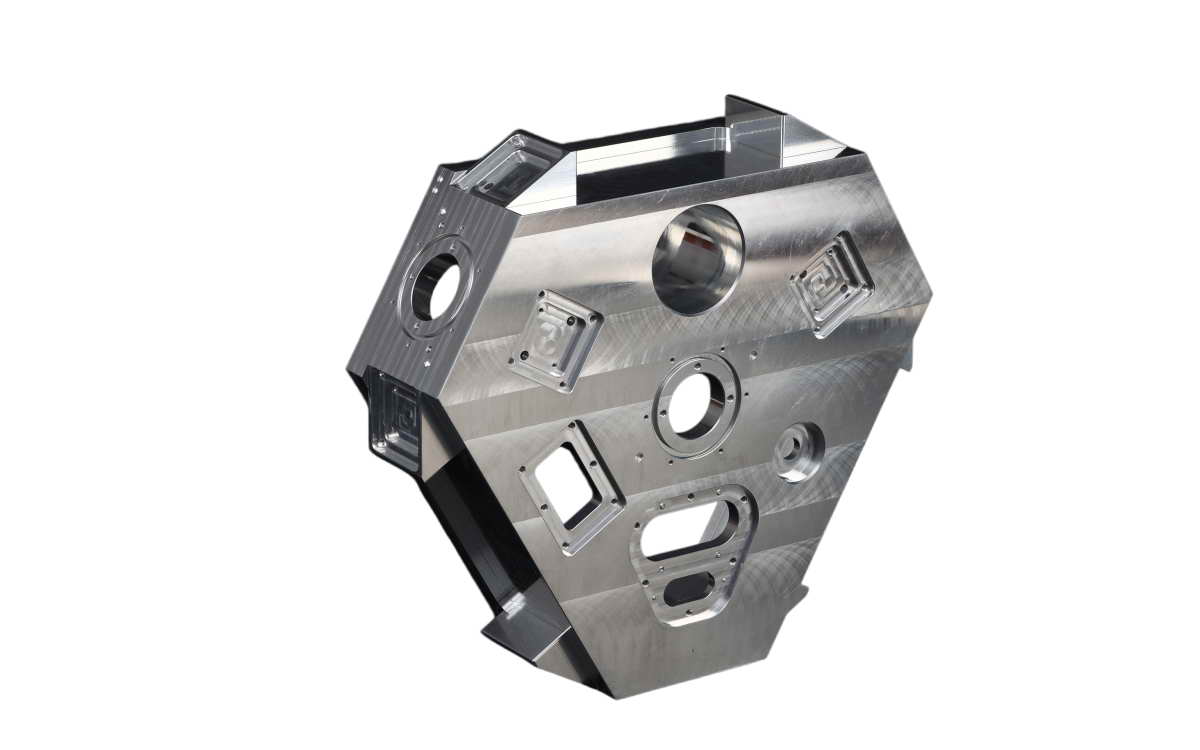
Custom machined manifolds from MiGi: deep holes, clean intersecting passages, le...
CNC machined heat sinks from MiGi: finned and pin-fin aluminum designs with flat...
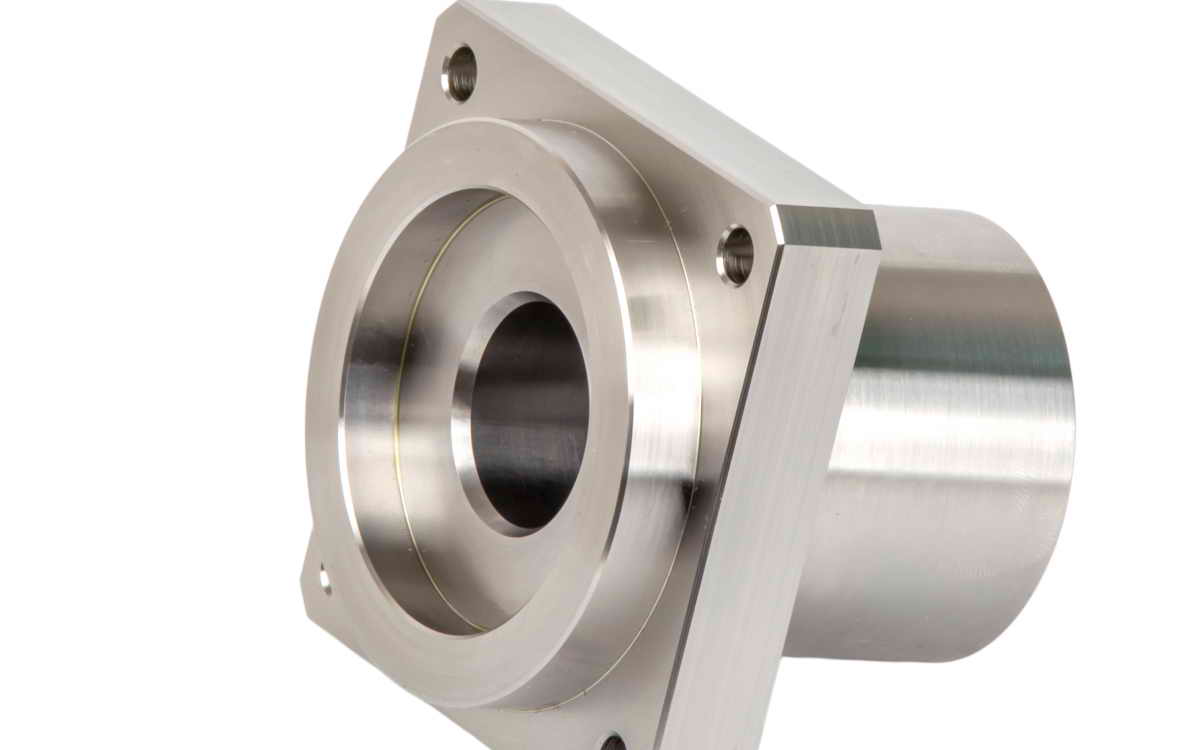
5-axis machined aerospace brackets from MiGi: complex brackets in 7075 aluminum ...
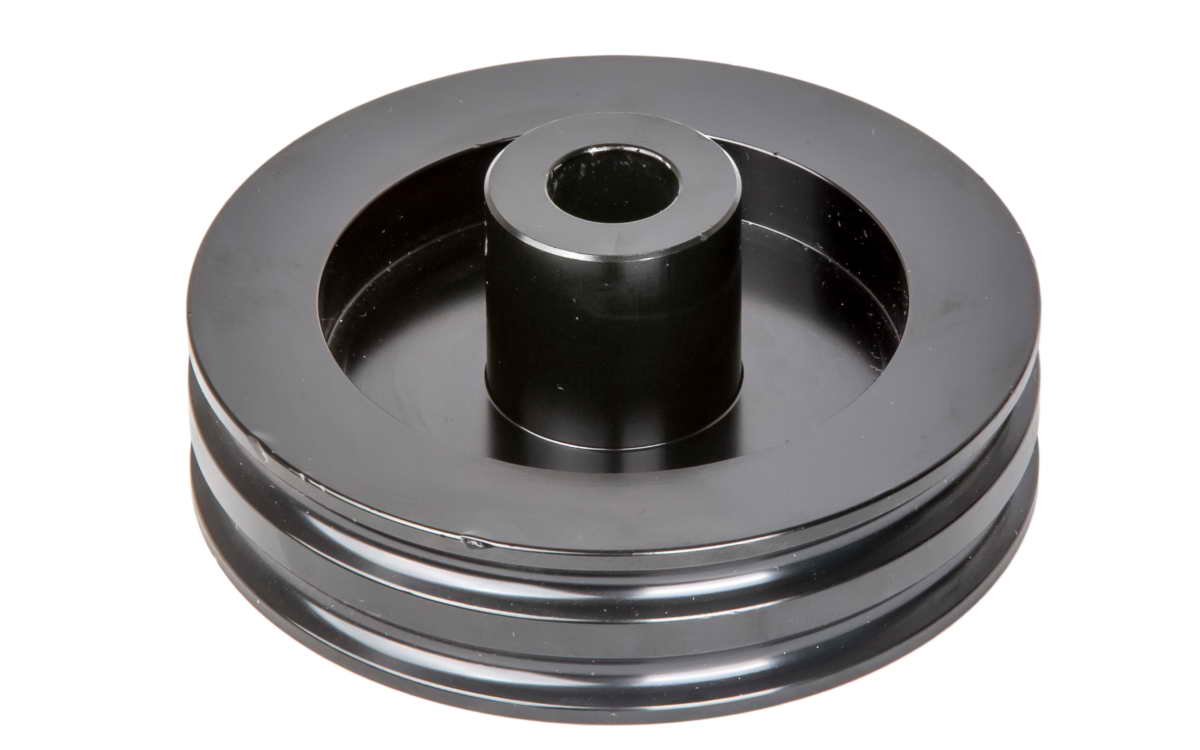
Precision CNC turned shafts from MiGi: shafts, pins and bushings in steel, stain...
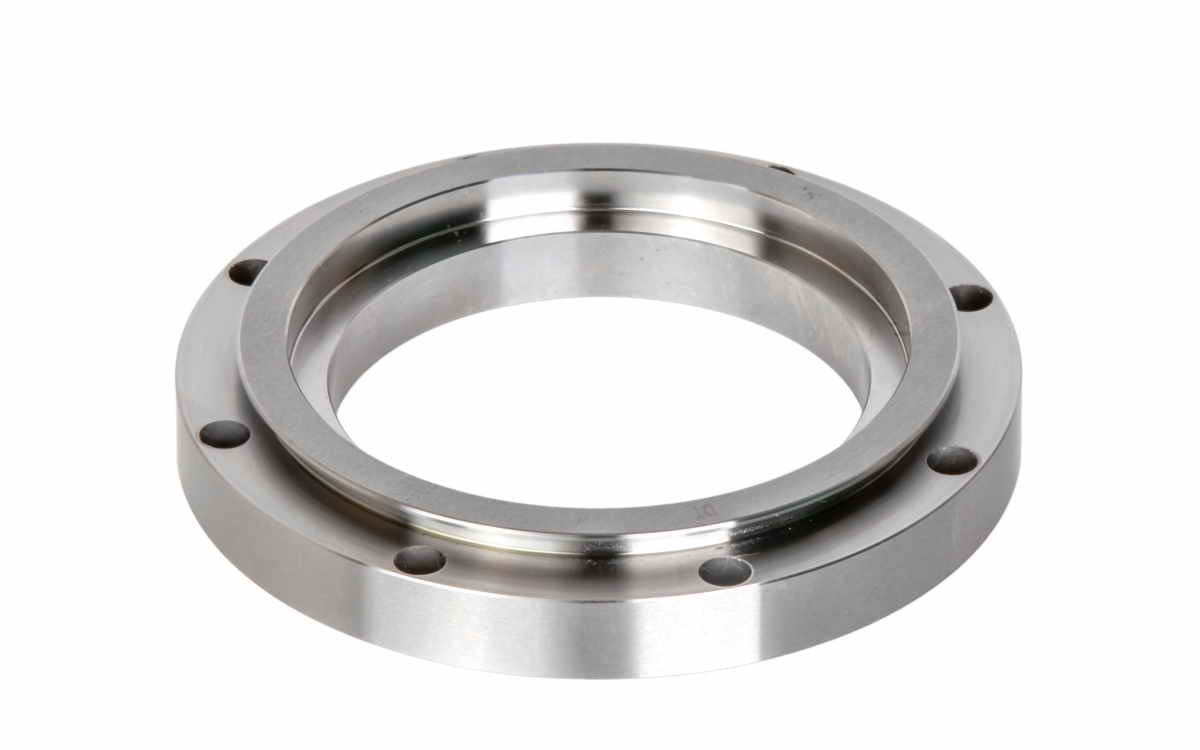
CNC machined aluminum housings from MiGi: 6061 and 7075 enclosures with tight to...
Tool steels for molds and dies: P20, H13, S136 and D2, with heat treatment, hardness and t...
Engineering plastics POM PEEK nylon: compare strength, heat, friction and moisture to pick...
Brass and copper machining: conductivity, machinability, corrosion and common grades. When...
Titanium TC4 machining: Ti-6Al-4V strength, weight, biocompatibility and corrosion, plus p...
Stainless steel 303 vs 304 vs 316: compare machinability, corrosion resistance and cost to...
Aluminum 6061 vs 7075: compare strength, cost, corrosion, weldability and machinability to...
Designing for die casting: wall thickness, draft, fillets, porosity and machining allowanc...
Designing for injection molding: wall thickness, draft, ribs, gates, undercuts and weld li...
Threads and holes design: standard sizes, thread depth, blind vs through holes and clear c...
Surface finish guide for machined parts: Ra values, as-machined vs finishing, cosmetic vs ...
Tolerances and fits guide: ISO fits, GD&T, datums and how to specify them clearly, so you ...
Designing for CNC machining: DFM basics on wall thickness, tolerances, undercuts, threads ...
From Bridge to Production
Once the design and demand are confirmed, we build the hardened production tool using what we learned from the bridge run. The same team handles both, so nothing is lost in the handoff: the gate location, cooling and process settings carry over. This continuity means the production tool is better because it is informed by real parts, and the transition is smooth rather than a fresh start.
Materials and Limits
Bridge tools run most thermoplastics: ABS, PC, PP, PA, POM and more. They have a shorter life than hard tools, so we match the tool to your quantity and tell you the expected life. We will tell you honestly when a hard tool is the better value, because over-using a bridge tool can cost more in the end. The goal is the right tool for the volume you actually have, with a clear path to scale.
Related Product Applications
See how these parts work in real products across cars, robots, medical devices, electronics and consumer goods.
Related Industry Knowledge
Guides on materials, tolerances, DFM and process choice, written for buyers and designers.
Related Manufacturing Notes
How we design, build and check parts, from the first drawing to the finished box.
Related Videos
Watch the machines, tooling and inspection steps in action.

Related News
New equipment, new processes and factory updates.
Related Technical Blogs for Rapid Tooling
Explore our latest engineering insights, manufacturing guides, and technical blog posts related to Rapid Tooling.
Related FAQs
Quick answers on quotes, lead times, tolerances, materials and shipping.
Q How long does production take? ▼
Simple CNC prototypes ship from 3 days. Production lead time depends on quantity, material and finishing, and we confirm a realistic schedule in the quote. Molding and casting add tooling time up front, then run fast cycles, so the first batch takes longer but repeat orders are quick. We keep programs, fixtures and inspection plans on file, so repeat orders are fast and consistent. If material is not in stock it can add time, so we order it early and track it. We give you a clear schedule before you order, and if anything changes we tell you early, not at the last minute.
Q What tolerances can you hold? ▼
We hold close tolerances to your drawing and check critical sizes on the CMM. Standard machining is around +/-0.05 mm, which is fine for most features, and tighter tolerances down to a few microns are possible on reviewed features. The key is to tighten only the sizes that affect fit or function, because tight tolerances everywhere add cost for no benefit. Tell us which sizes matter most and we will confirm what we can hold and how we will measure them. For critical features we agree the measuring method before production, so the result is verified and not disputed.
Q What materials do you work with? ▼
We machine 30+ metals and plastics. Metals include aluminum (6061, 7075, 2024, 5083), stainless steel (303, 304, 316, 17-4PH), carbon and alloy steel, titanium (TC4), brass, copper and magnesium. Plastics include POM, PEEK, nylon, PC, ABS, PMMA, PTFE and PPS. For molding we run ABS, PC, PP, PA, POM and silicone (LSR), and for die casting we use aluminum, zinc and magnesium alloys. Tell us the application, the load and the environment, and we will recommend the grade that meets the function at the lowest cost. Material certificates are available on request.
Q How fast can I get a quote? ▼
Send your CAD file (STEP, IGES or X_T) and a 2D drawing with tolerances if you have one, plus the material, quantity and finish. Our engineers review it and reply with a quote and DFM feedback, usually within 24 business hours. Complex projects may take a little longer, and we will let you know. The quote includes unit price, tooling cost if any, lead time and practical DFM advice on how to cut cost. The more detail you give, the faster and more accurate the quote, so include tolerances, finish and any special needs like assembly or testing.
Q What is your minimum order quantity? ▼
We have no strict minimum order quantity. We make one prototype or a full production run, and we are happy to start with a single part. For CNC machining and 3D printing, one part is fine and there is no tooling cost, so low quantities are economical. For injection molding and die casting, the tooling cost means higher volumes are more economical per piece, but we will show you the break-even volume so you can decide. If you are testing a design or launching a product, we support small batches and scale with you as demand grows. Tell us the quantity you have in mind and we will recommend the best process for it.