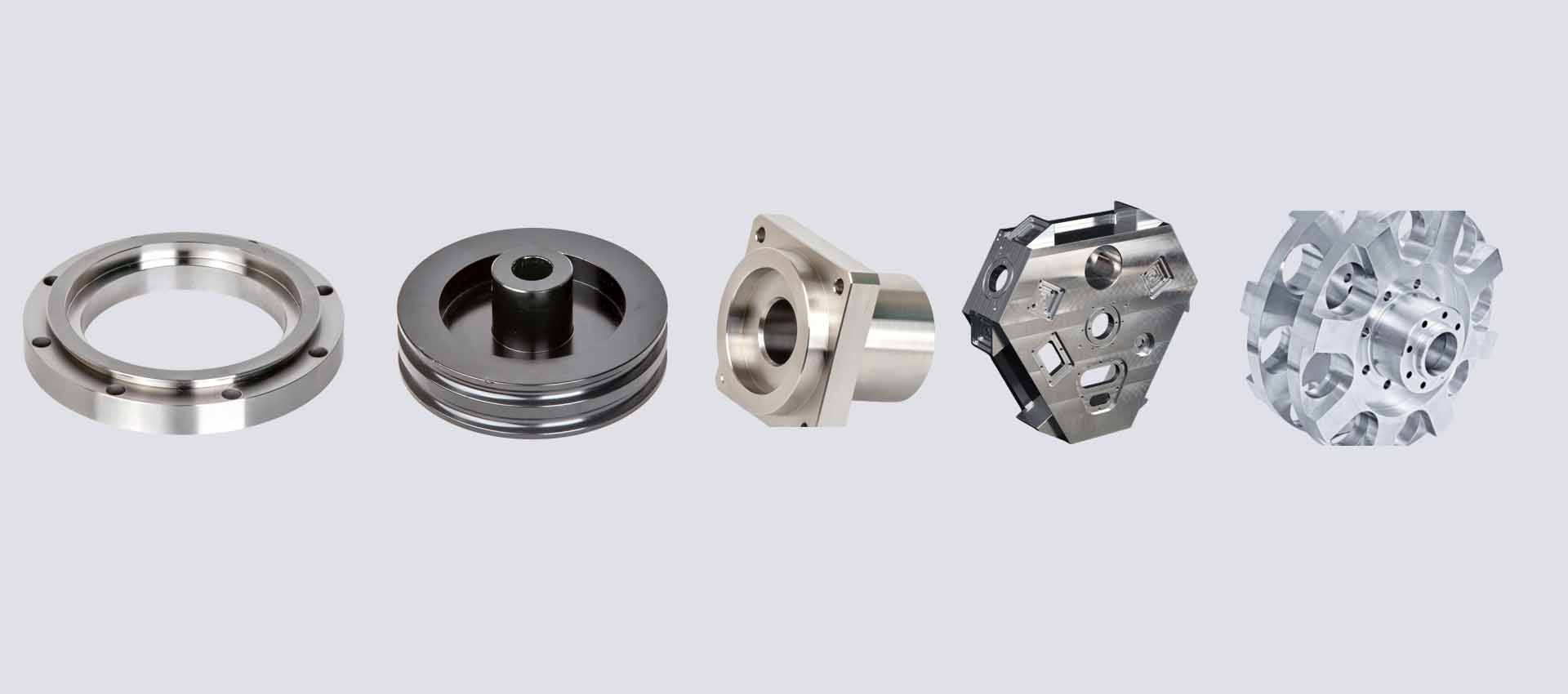
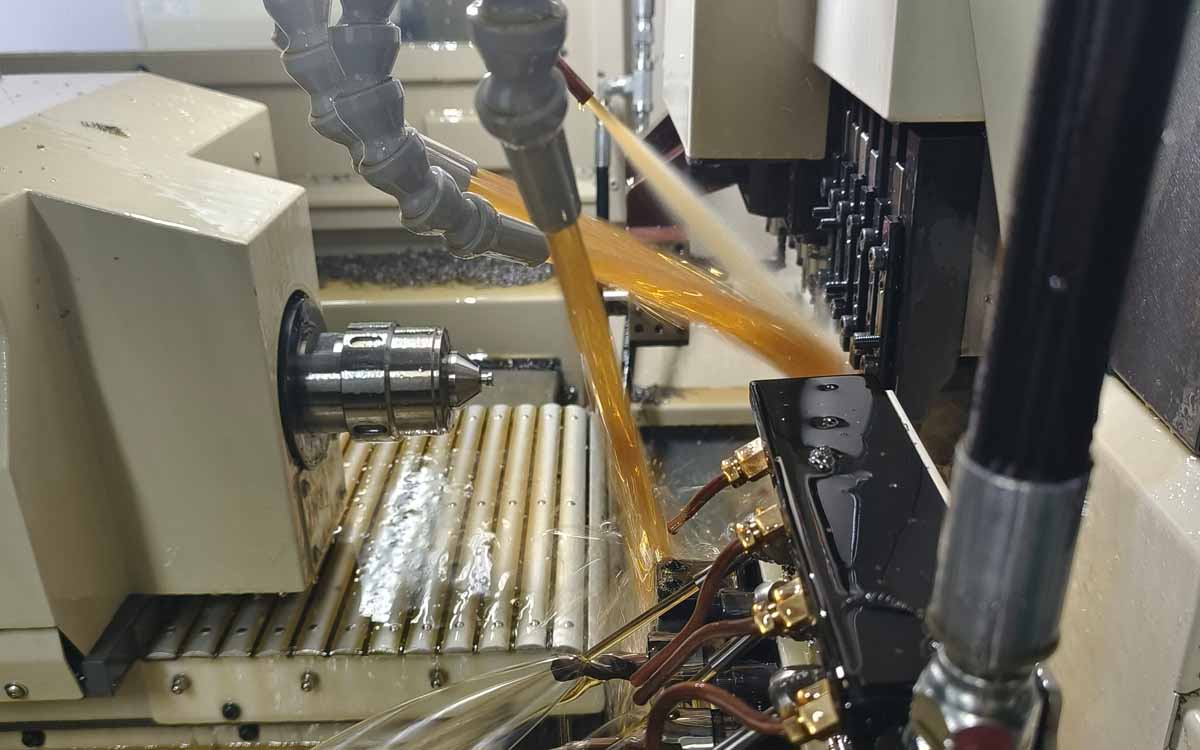

Prove It Before We Offer It
We test new materials and finishes on sample parts before offering them, so customers get proven results, not promises. A material that looks good on a datasheet may machine poorly or finish badly, and a finish that works on one alloy may fail on another. Testing on real parts is the only way to know. Here is how we test and validate new materials and finishes.
Material Tests
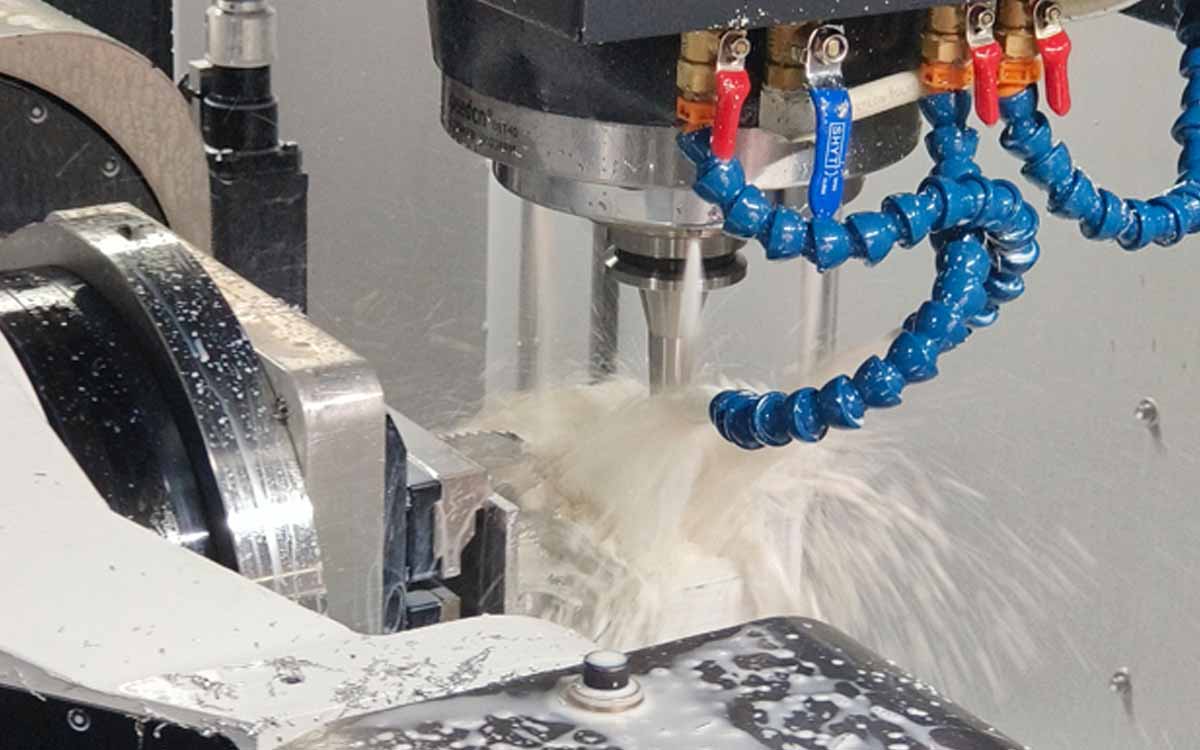
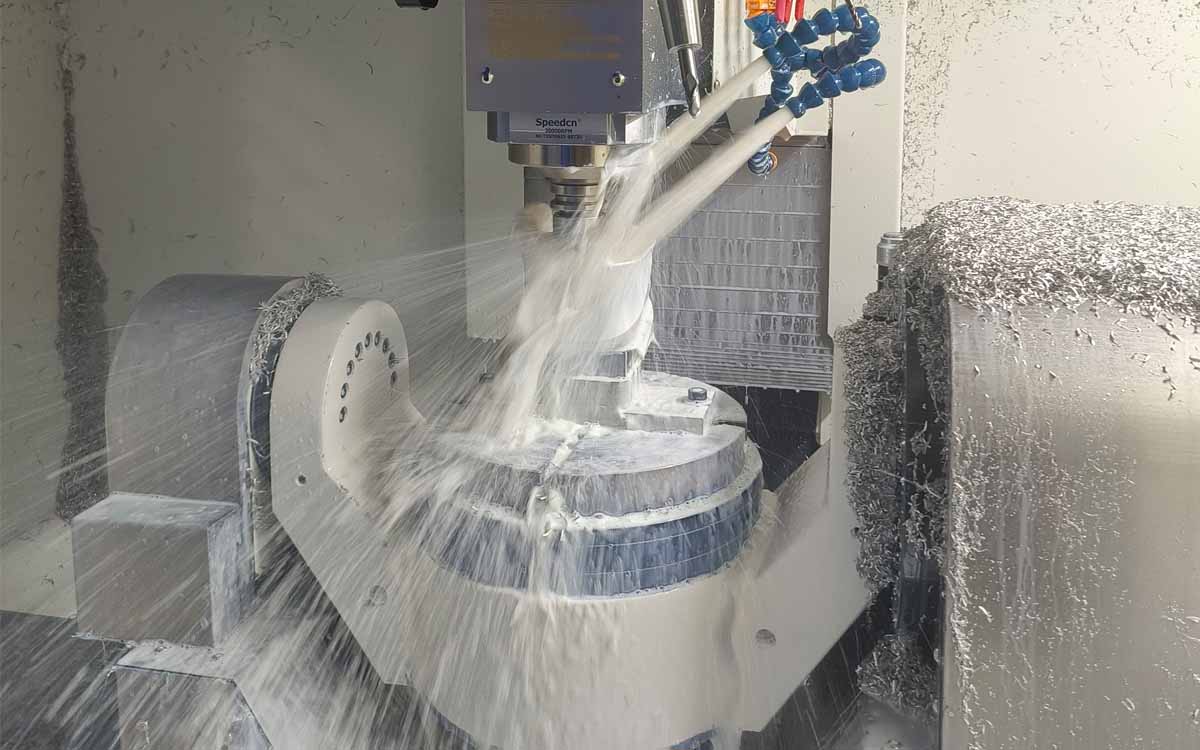
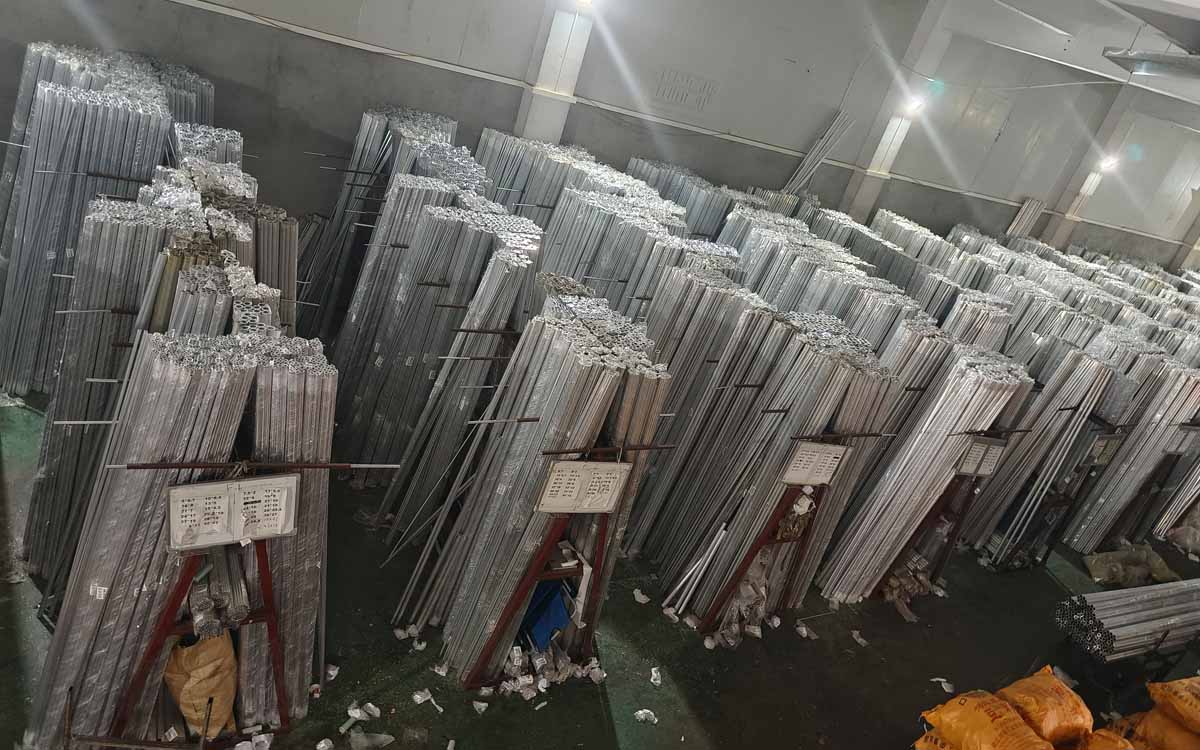
We check machinability, strength, hardness and corrosion. We compare grades and record what works for each process: speeds, feeds, tool wear and surface finish. This data lets us recommend a material with confidence and quote accurately, because we know how it behaves on the machine, not just on paper.
Finish Tests
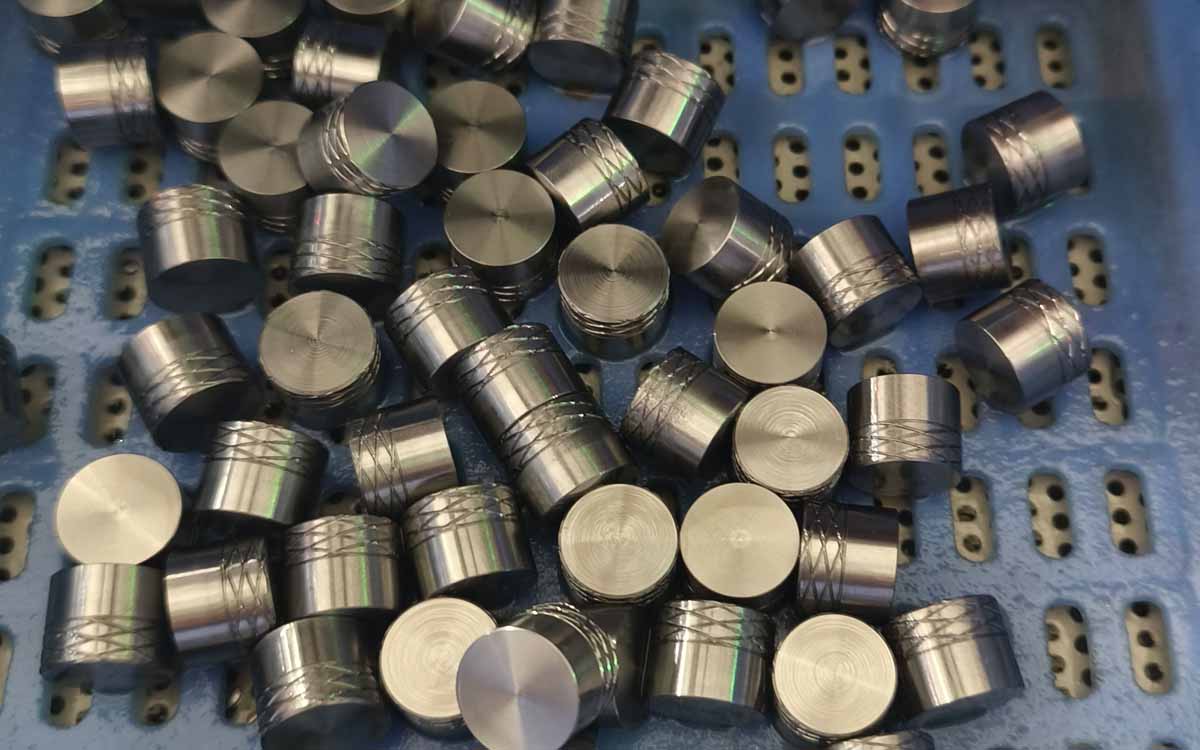
We test adhesion, thickness, color and corrosion resistance of finishes, and approve samples for cosmetic consistency. A finish must stick, cover evenly and resist the environment it will see. We test these on real parts, because a finish that works on a test panel may behave differently on a complex geometry.
Real-World Validation
Lab tests are a start, but real parts and customer feedback are the real test. We validate with actual parts and customer use before scaling a new material or finish. This catches problems that lab tests miss, like a finish that wears in service or a material that cracks under real loads. We do not scale until we are confident.
Why It Matters
Proven materials and finishes mean fewer failures and fewer surprises. We recommend them with data, not guesswork, and we know the limits. This protects you from the cost and delay of a material or finish that does not perform as expected.
Honest Limits
If a material or finish is not right for a part, we say so and suggest a better option. We will not push a new option that does not fit, because a failed part costs you more than any margin we might make. Honesty about limits is part of how we build trust.