Manifolds With Clean, Leak-Free Passages
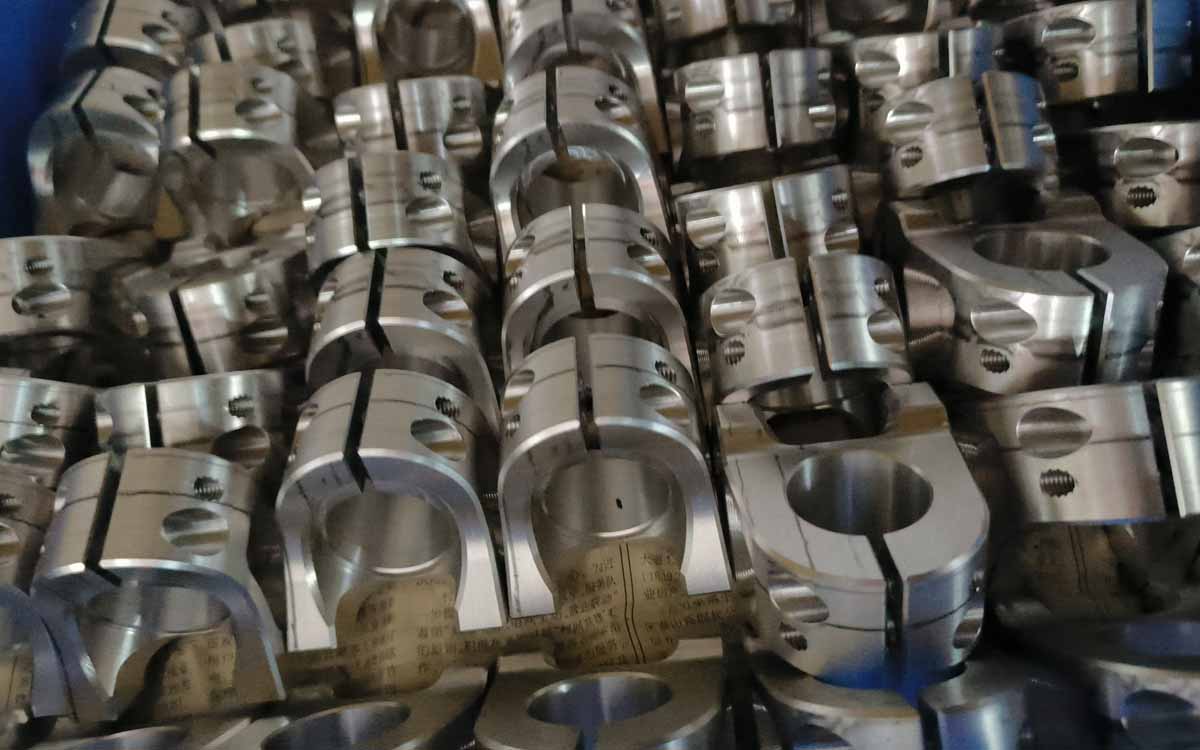
Manifolds and valve bodies route fluid or air through intersecting passages, and they must be clean, precise and leak-free. We machine them from aluminum, brass or stainless, with deep drilled holes, clean intersections and ports tapped to your thread spec. A manifold is only as good as its passages and seals, so we focus on clean intersections, smooth sealing faces and verified leak-tightness. Here is how we make reliable manifolds.
Deep Holes and Intersections
We drill deep passages and control where they meet, so flow is correct and there are no burrs at the intersections. Burrs at intersections can break loose and damage valves or block flow, so we deburr thoroughly, often with thermal or abrasive flow methods for hard-to-reach passages. Ports are tapped to your thread spec and checked with gauges. We plan the drilling sequence to keep passages straight and intersections clean.
Leak Testing
On request we pressure-test the finished manifold to confirm it holds, using air or hydrostatic test at your specified pressure. Critical bore sizes and port threads are checked and documented. For pressure-tight applications, we can impregnate castings or use appropriate materials and seals. Tell us the test pressure and the medium, and we will verify the manifold meets it before shipping.
Materials and Sealing
Aluminum for light air manifolds, brass for water and fittings, stainless for corrosive or high-pressure use. Sealing faces are machined smooth for reliable O-ring or gasket seals, and we hold the surface finish and flatness they need. The material choice depends on the medium, pressure and environment, and we help you pick. For corrosive media, stainless 316 is often right; for light air systems, aluminum saves weight and cost.
Typical Uses
Hydraulic and pneumatic manifolds, valve bodies, coolant blocks, fuel rails and lubrication blocks. Any part that routes fluid or air through internal passages is a candidate. We machine from prototype to production, with leak testing and documentation on request.
How to Order
Send a STEP file and a drawing with port threads, passage sizes, test pressure and the medium. Tell us the material preference and quantity. We review for DFM, plan the drilling and deburring, and quote. The more detail on pressure and medium, the better we can specify material and testing.