Test Before You Commit
Prototyping is how you find problems cheaply, before they become expensive. A problem found in a prototype costs a few dollars and a day; the same problem found after tooling costs thousands and weeks; found after launch, it can cost your reputation. We make working prototypes fast so you can validate the design before spending on tooling or production. Here is what you can validate and how we make the process fast and useful.
Fit and Assembly
Check that parts fit together and assemble correctly. Catch interference and tolerance stack problems early, when they are cheap to fix. A prototype assembly reveals whether holes line up, whether connectors seat, and whether the tolerance stack works in practice, not just on paper. This is one of the most valuable things a prototype does, because assembly problems are common and expensive to fix later.
Function and Strength
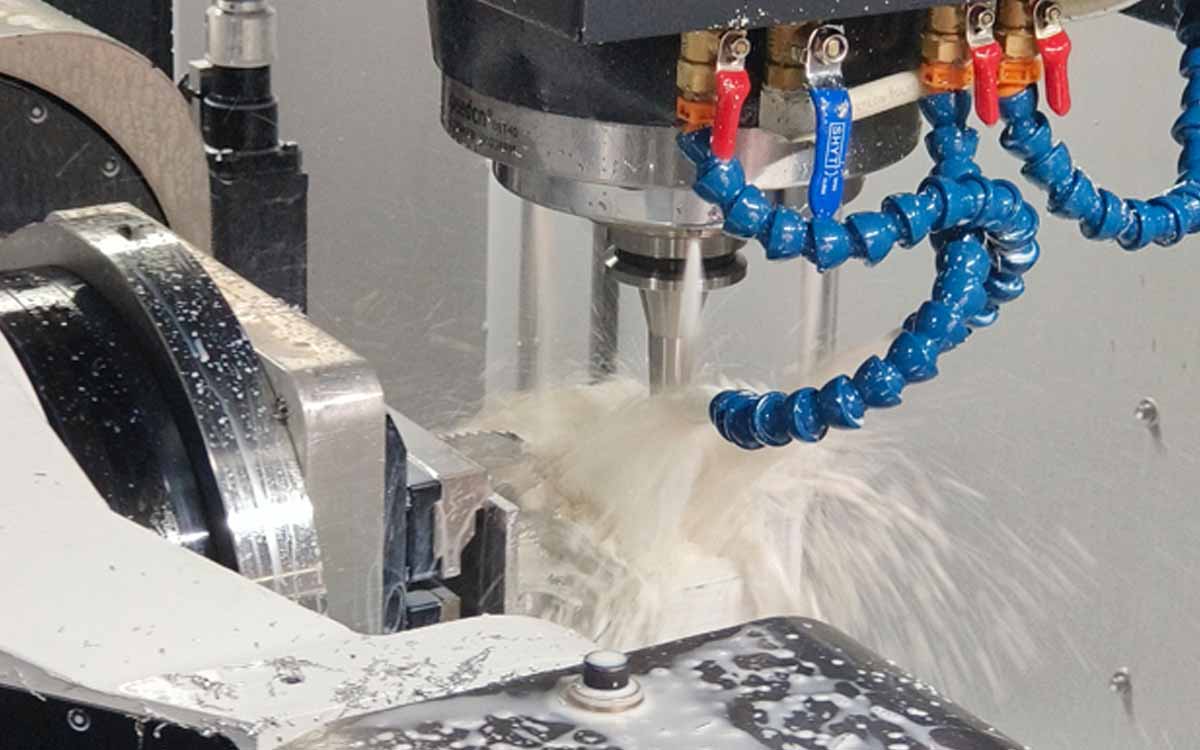
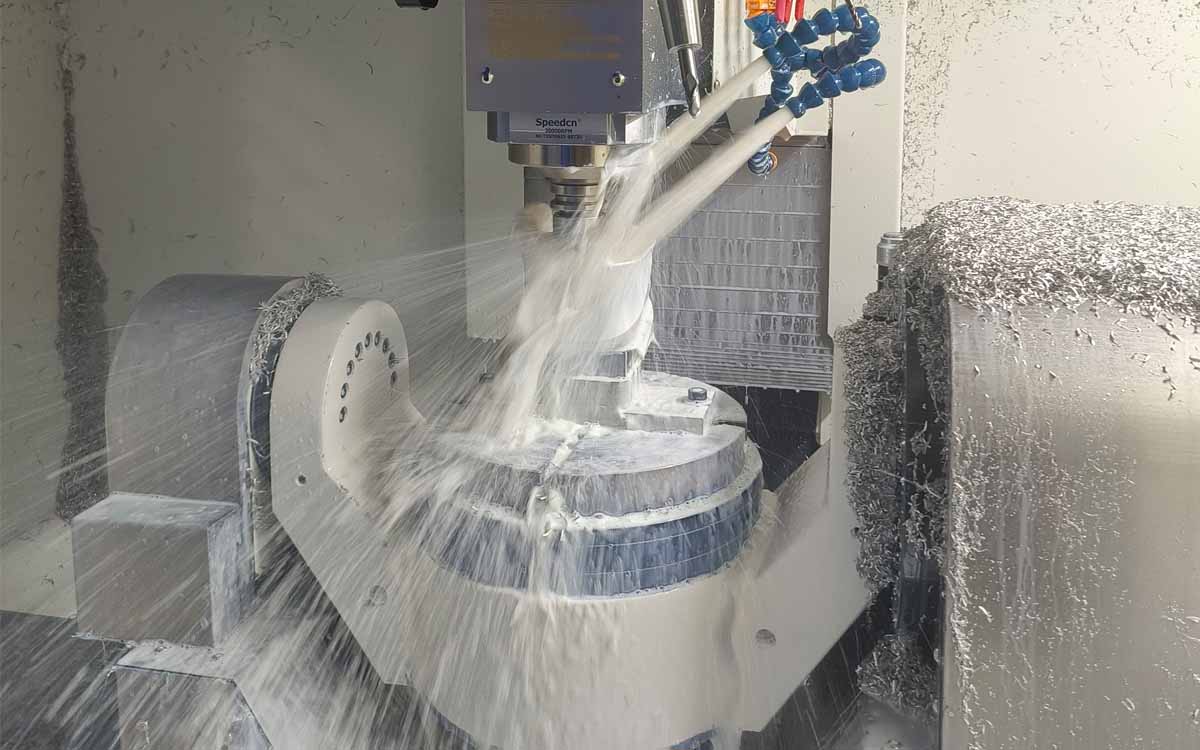
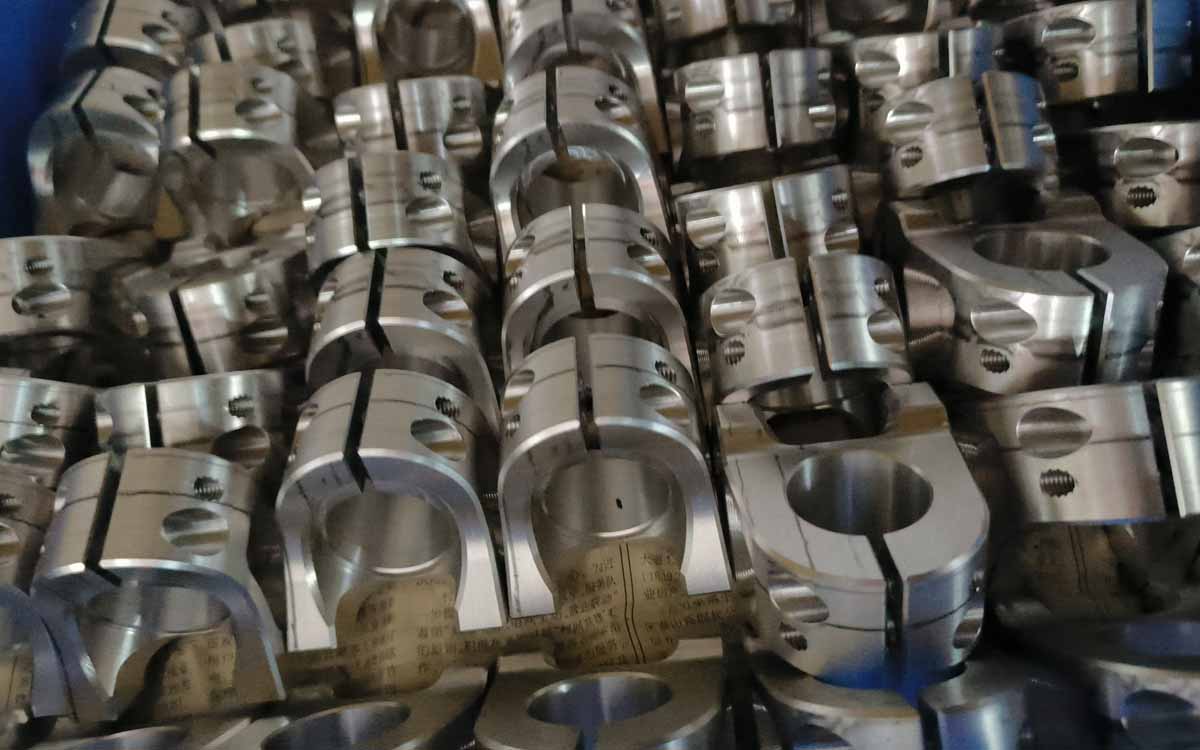
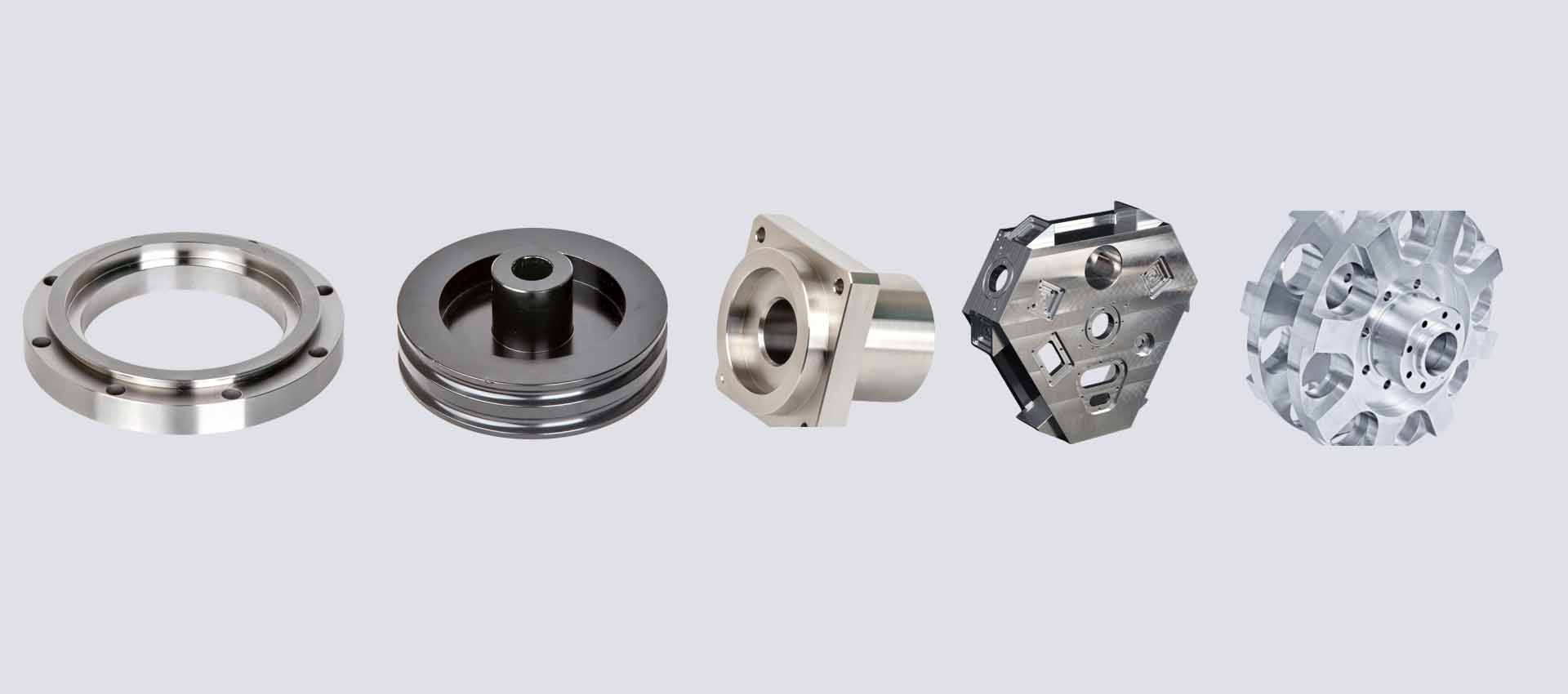
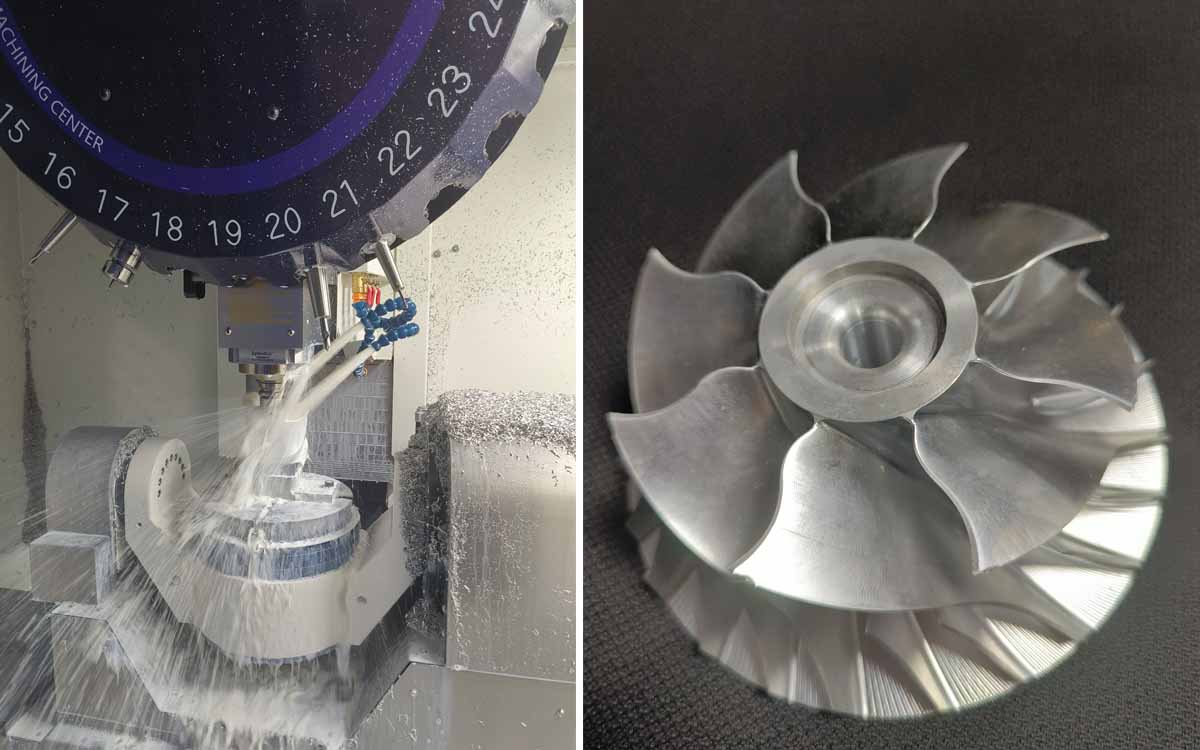
Test the part under real loads and conditions. Machined prototypes in production materials give real results, unlike a printed model that may not represent the final strength. If the part carries load, a machined prototype in the actual material tells you whether it works. We can also make functional prototypes for testing mechanisms, seals and moving parts.
Looks and Ergonomics
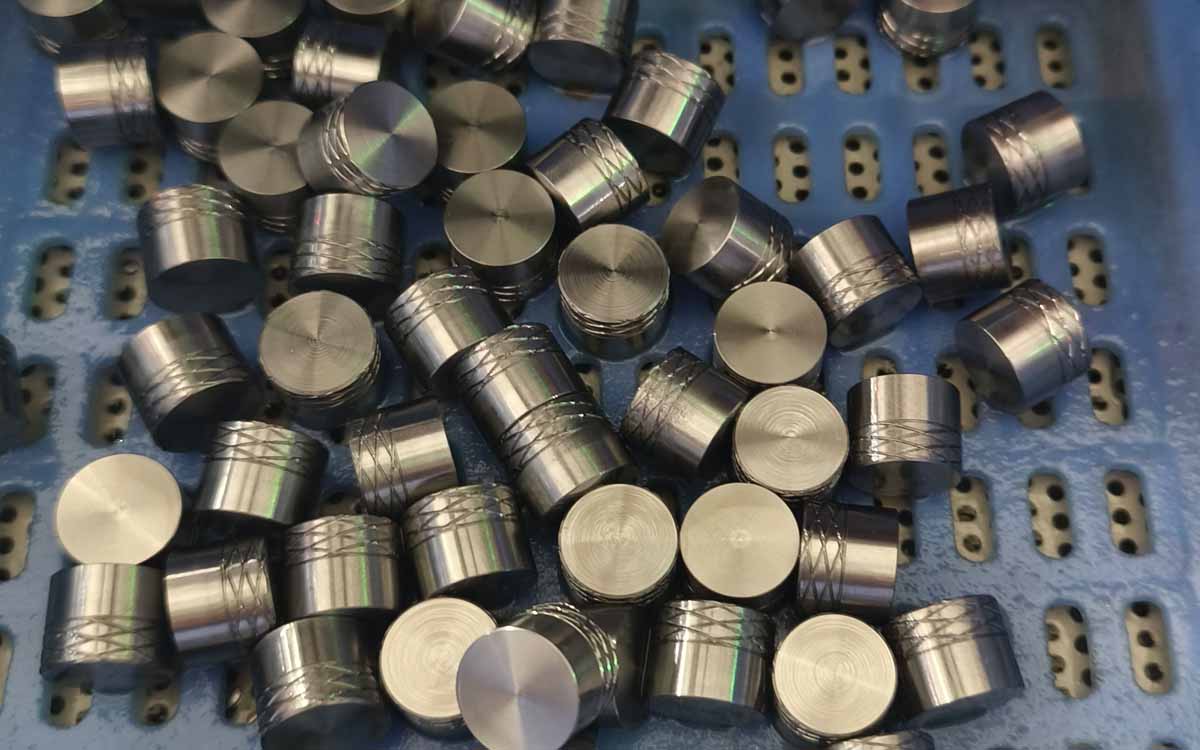
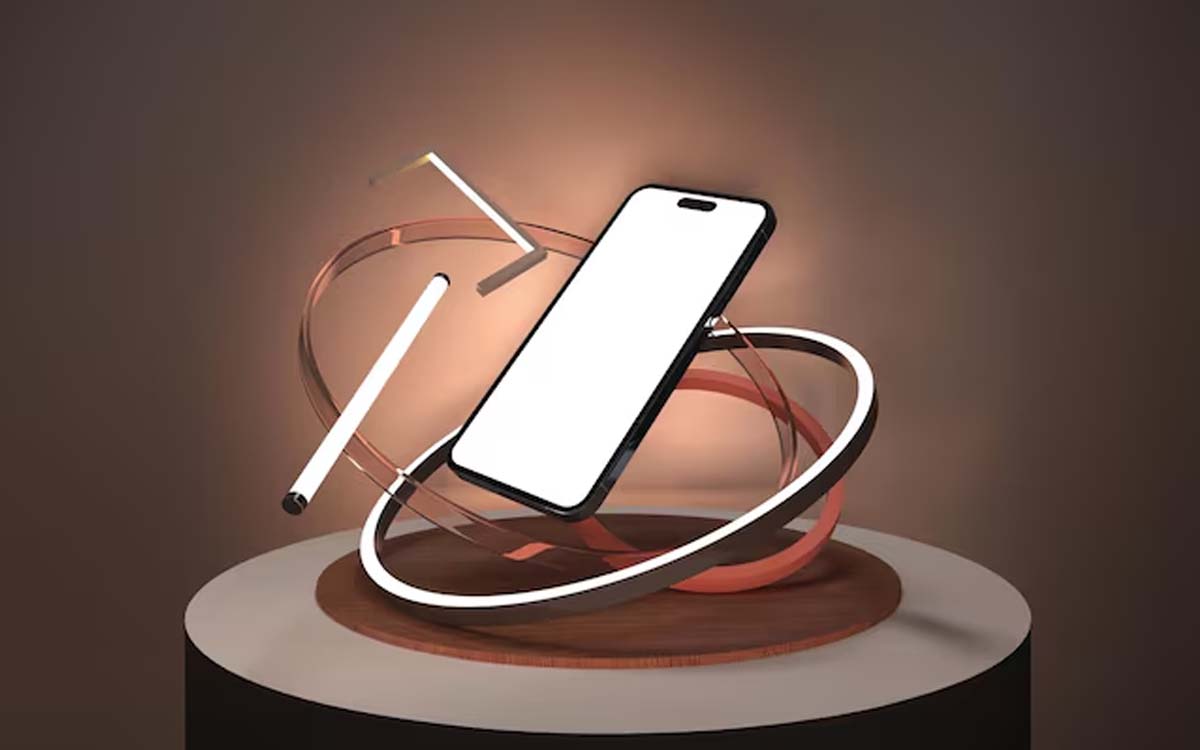
For consumer products, looks and feel matter as much as function. We finish prototypes so you can judge the cosmetic result and ergonomics: how it looks, how it feels in the hand, how the surfaces meet. A finished prototype lets you make cosmetic decisions before production, when changes are still cheap. We can match the intended finish so the prototype represents the final product.
Fast Iteration
Simple prototypes ship from 3 days, so you can iterate quickly. Each round gets closer to the right design, and fast iteration means you reach a good design sooner. We keep programs on file, so revised prototypes are fast to make. The speed of iteration is often the biggest factor in how quickly a product reaches market.
Smooth Handoff
When validated, the same team moves you to tooling or production, carrying over what was learned. The prototype process becomes the basis for the production process, so nothing is lost. This continuity is a major advantage of prototyping with the same shop that will produce the part.