Better Performance, Lower Cost, at the Same Time
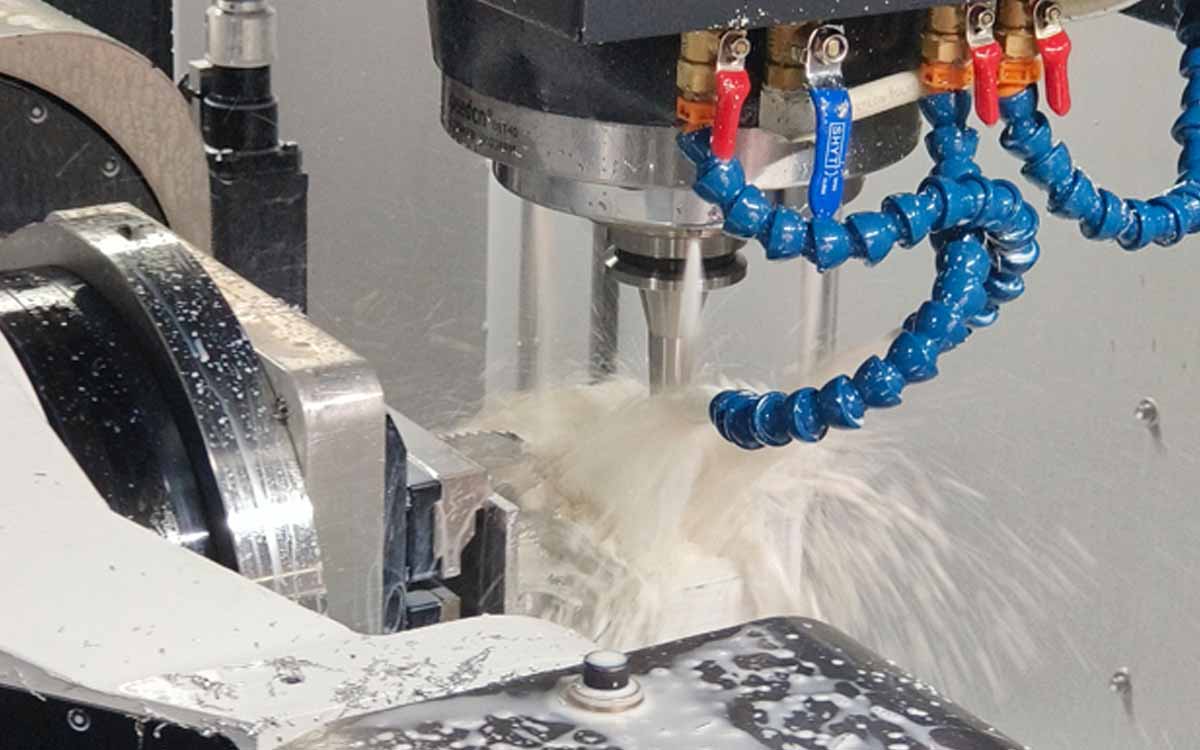
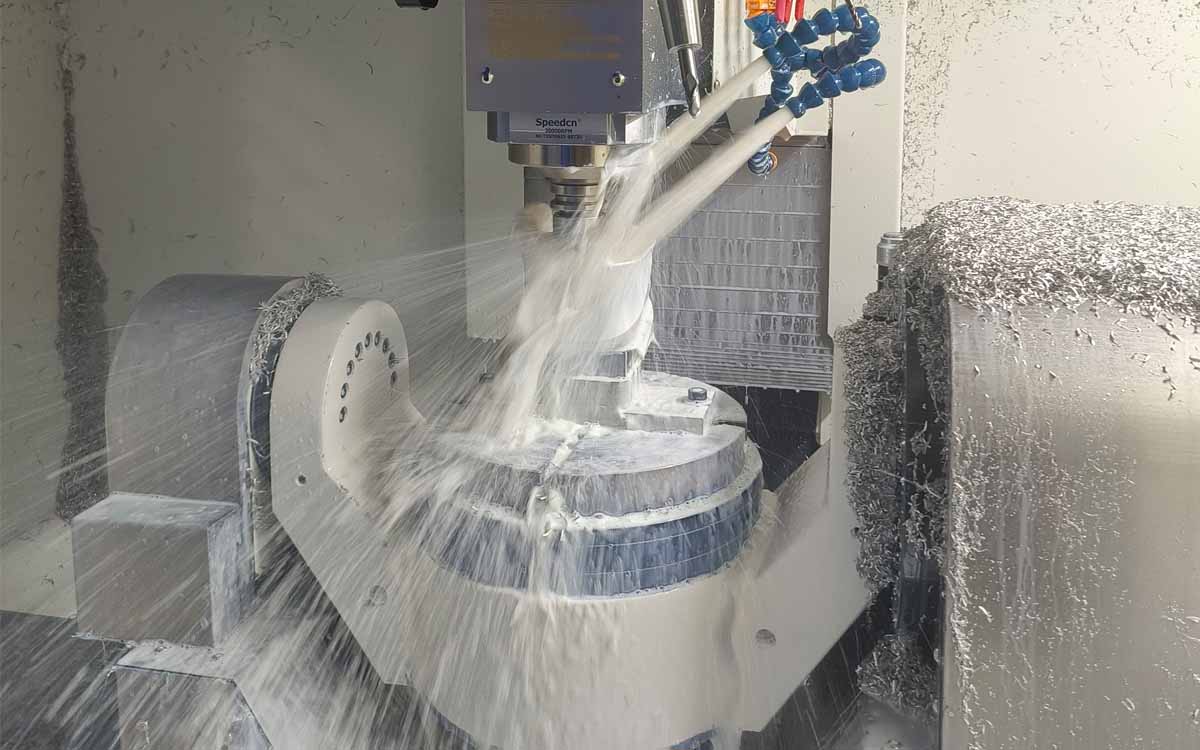
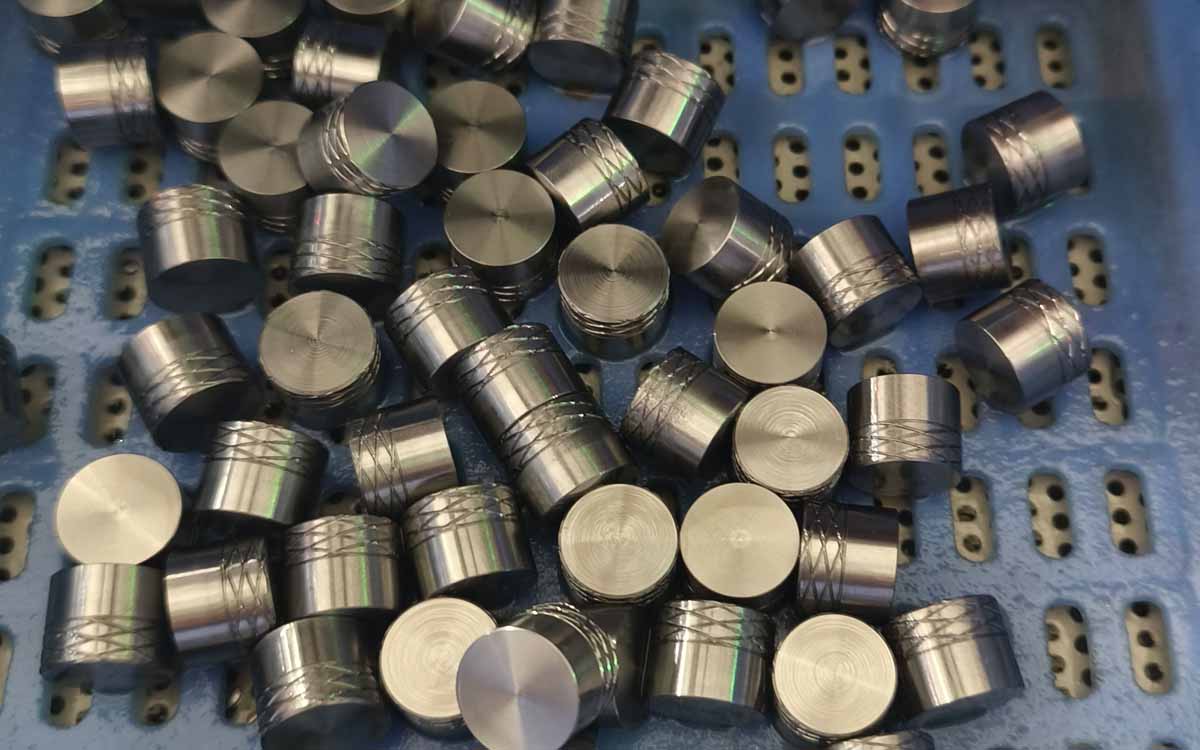
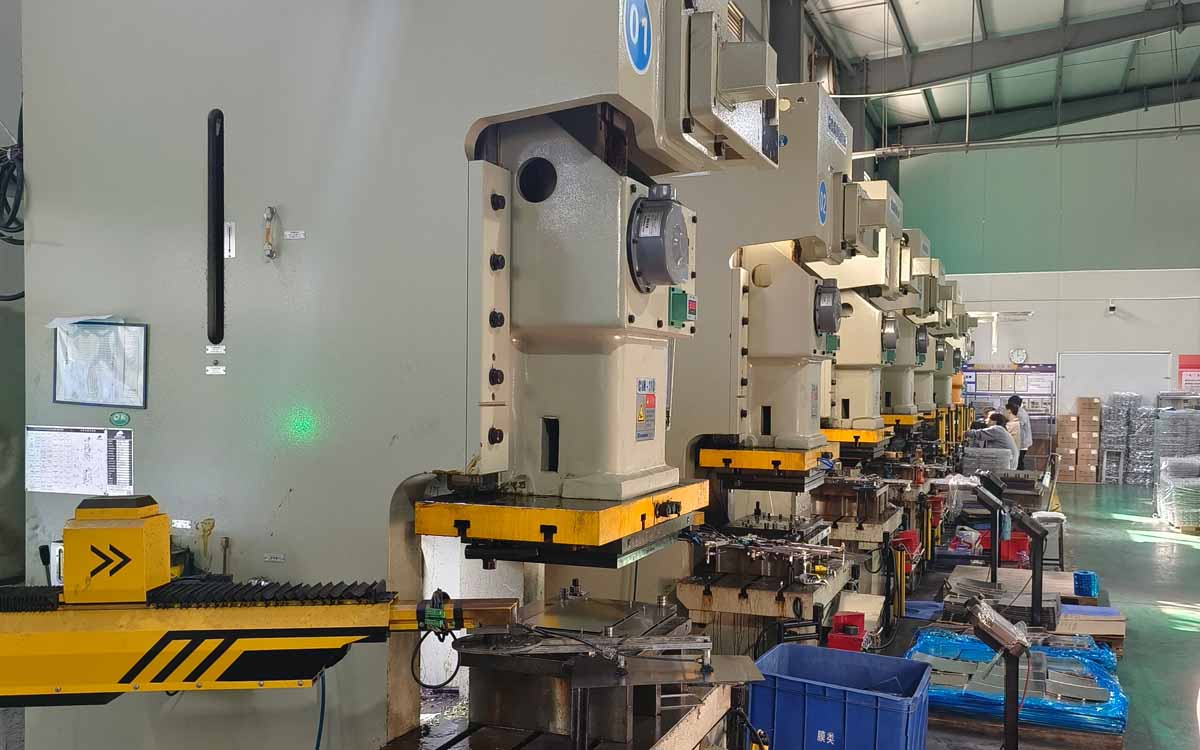
Optimization means getting the performance you need at the lowest cost, and the two goals are often aligned rather than opposed. A simpler part is usually cheaper to make and more reliable. A lighter part often performs better and costs less to ship. We look at material, features and process together to find these wins. Here is how we optimize designs for cost and performance, with real examples of the kinds of savings we find.
Material Choice
Image caption here



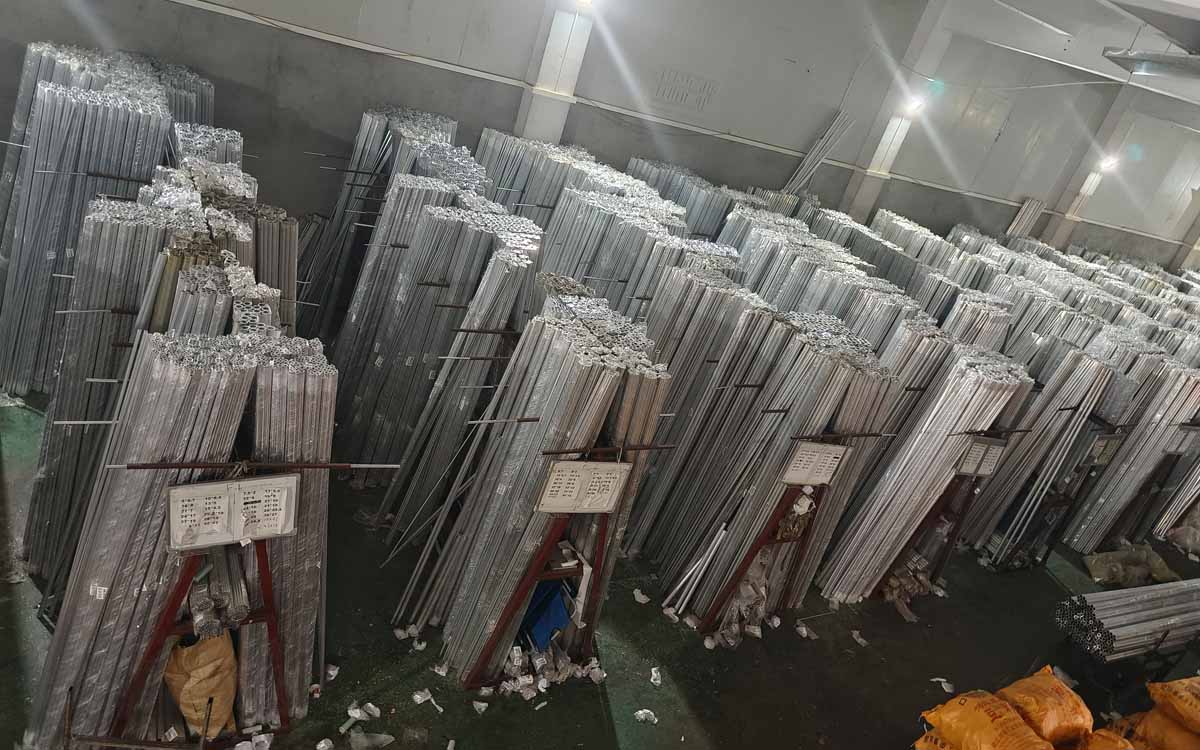
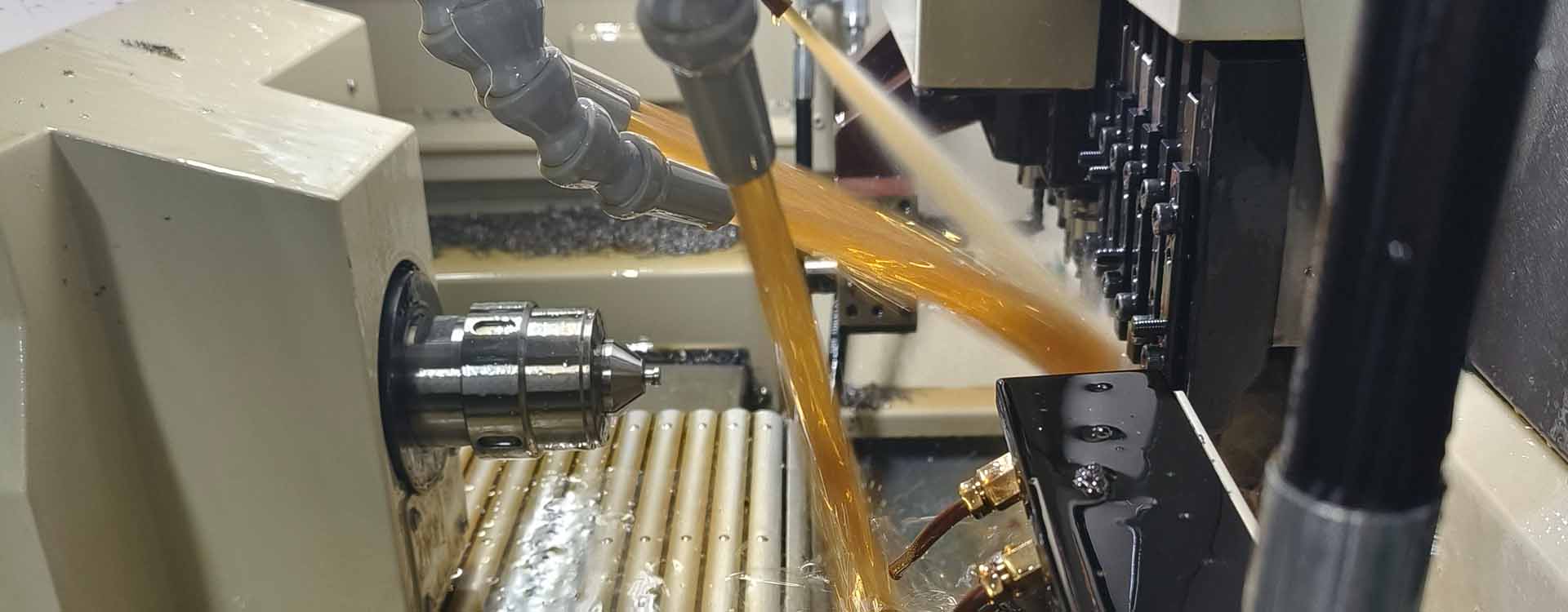
The right material can cut weight, cost or machining time. We compare grades and suggest the best fit for the load and environment. Sometimes a cheaper grade does the job just as well; sometimes a stronger grade lets you use less material and save weight. We run the trade-offs with you, because the best material is the one that meets the function at the lowest total cost, not the strongest or the cheapest in isolation.
Related Topic: #topic 1
15 Related Articles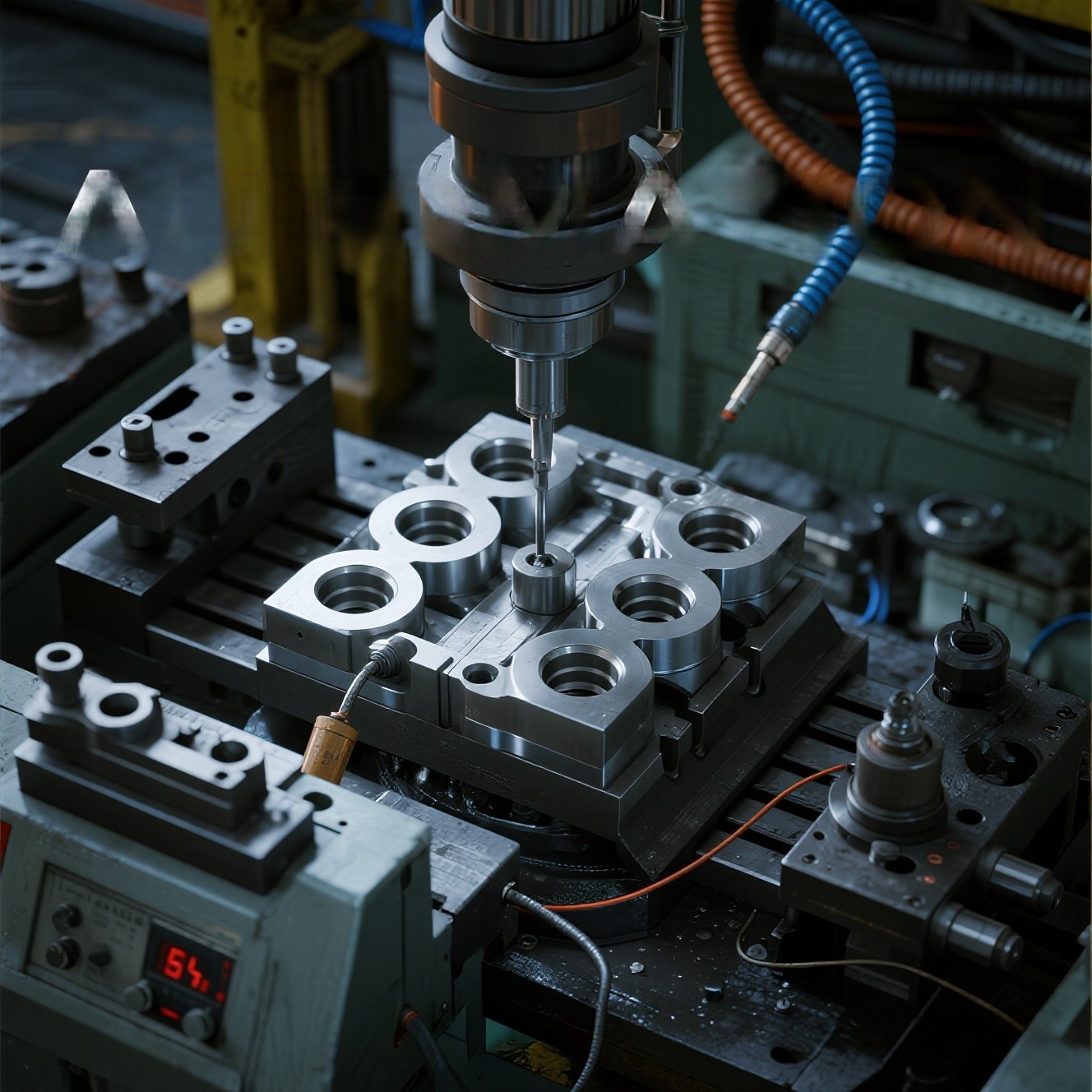
Surface Roughness Ra Explained
Surface roughness Ra explained: what the numbers mean, typical values, Ra vs Rz, and how to specify the right finish for sealing, bearing and cosmetic faces.
Common Machining Mistakes to Avoid
Common machining mistakes to avoid: over-tolerancing, thin walls, sharp corners, deep pockets and unclear drawings. How to fix them cheaply in design.
Choosing the Right Surface Finish
Choosing the right surface finish: match the finish to function, looks, cost and material. Anodizing, plating, powder coating, polishing and more.
From Prototype to Production
From prototype to production: validate the design, bridge with rapid tooling, and scale with one team. A smooth path that keeps quality consistent.
Why 5-Axis Machining Is Worth It
Why 5-axis machining is worth it: fewer setups, better accuracy, complex shapes and shorter lead time. When it pays off versus 3-axis machining.
Aluminum vs Steel for Machined Parts
Aluminum vs steel for machined parts: compare weight, strength, cost, corrosion and machinability to choose the right metal for your part.
DFM Tips to Cut Machining Costs
DFM tips to cut machining costs: standard tolerances, radii, thicker walls, simpler pockets and batch orders. Five practical changes that save 10-30%.

Quality Inspection Video
Quality inspection video: watch CMM measurement, optical checks and roughness testing, with documented results for every batch.
Aerospace Structural Parts
Aerospace structural parts from MiGi: 5-axis machined brackets and fittings in 7075 aluminum and titanium, with tight tolerances and full traceability.
Electronics Enclosures and Heat Sinks
Electronics enclosures and heat sinks from MiGi: machined aluminum housings with clean finishes and finned heat sinks with flat mounting faces for cooling.
Feature Simplification
Every feature adds cost. We remove or simplify features that do not add function, and combine parts where possible. A part that does the job of three parts saves assembly time and cost. A pocket that can be shallower saves machine time. We look for these opportunities in DFM review and quantify the savings, so you can decide which changes are worth making.
Match the Process to the Part and Volume
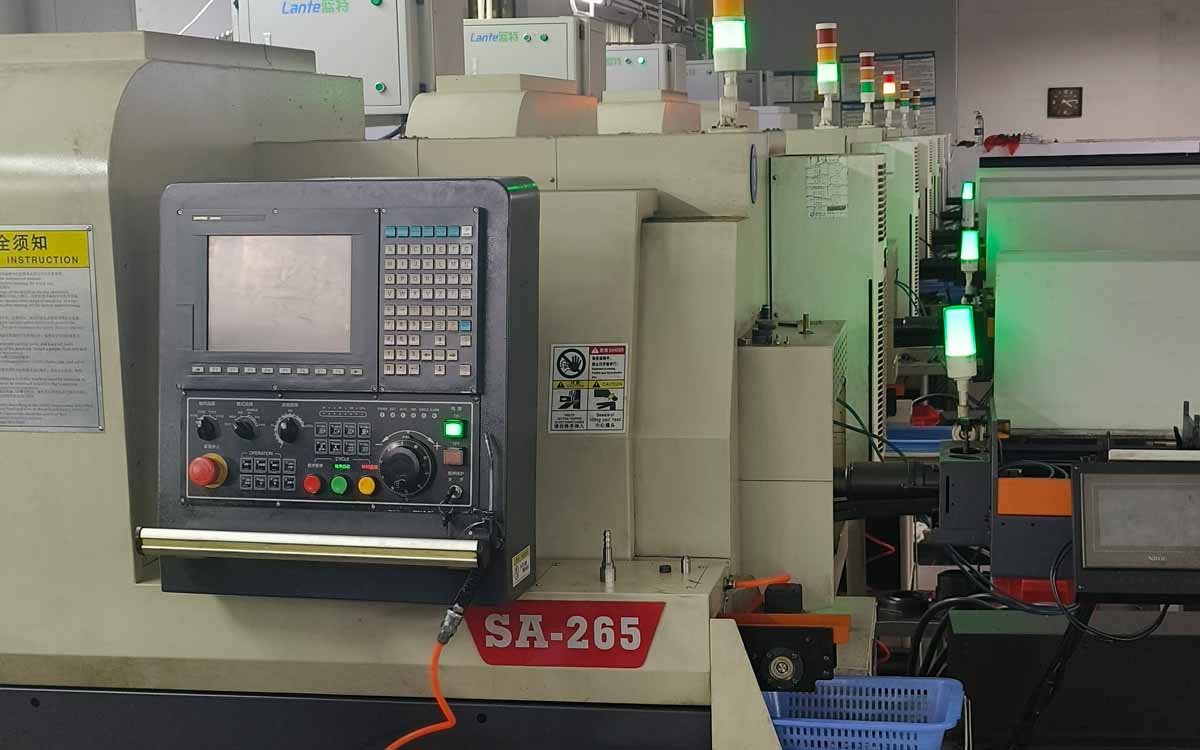
The cheapest process depends on volume and shape. We compare machining, molding, casting and printing for your part and quantity, and show you the break-even. A part that is cheap to machine at 100 pieces may be cheaper to mold at 10,000. Knowing the break-even lets you plan the transition and avoid overpaying at either end. We help you choose the process for the volume you actually have, and plan for growth.
Volume Break-Even
We show you the break-even volume between processes, so you can decide when to switch from machining to tooling. This is one of the most valuable things we provide, because it turns a guessing game into a clear decision. If your volume is growing, we help you plan the transition so you do not overpay for tooling too early or machine too long.
Real Examples
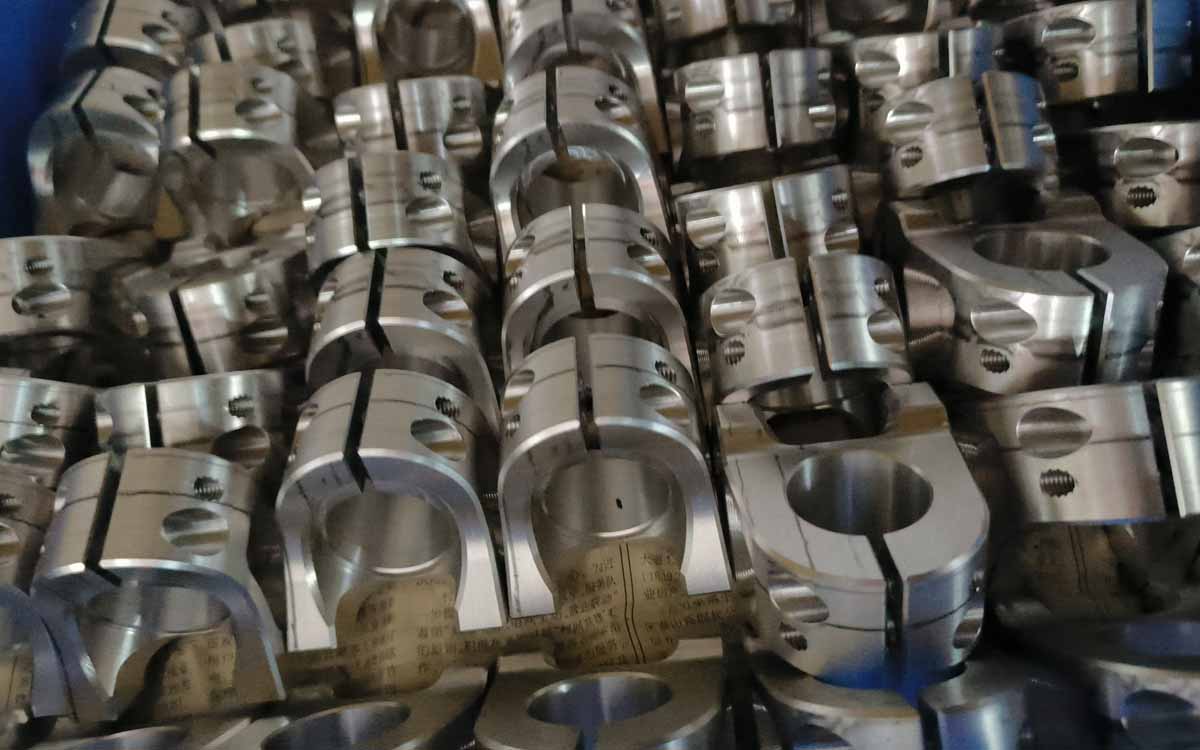
A housing redesigned from a thick casting to a thin machined part cut weight and cost for a low-volume product. A molded cover replaced three machined parts and saved assembly time. A bracket simplified from five setups to one 5-axis setup cut lead time and improved accuracy. These are the kinds of wins we find in DFM review, and they add up.