Design Parts the Die Can Cast Cleanly
Die casting makes thin-wall metal parts fast and at low cost per piece, but the design must let molten metal fill the die and let the part release. A few rules prevent porosity, cracks, cold shuts and stuck parts. Like molding, die casting has well-understood design rules, and a DFM and flow review catches problems before tooling. Here are the key rules we apply, so your castings come out clean and strong.
Thin, Even Walls
Die casting works best with thin, even walls, typically 1 to 3 mm for aluminum. Thick sections cause porosity and sink, and they cool unevenly. Keep walls uniform and avoid heavy sections. If you need a thick area, core it out or redesign it. Even walls mean better fill, less porosity and a stronger part.
Draft and Fillets
Add draft so the part ejects from the die, and use fillets at corners so metal flows smoothly and stress is reduced. Sharp corners cause cracks, poor fill and stress concentrations. A small fillet at every corner is one of the easiest and most valuable rules in die casting design. We flag sharp corners in DFM and suggest radii.
Ribs and Bosses, Done Right
Use ribs for stiffness and bosses for screws, but keep them thin and well filleted to avoid porosity. Thick bosses are a common source of porosity and sink. Core out heavy bosses and use ribs to support them. This keeps the part light and strong without casting defects.
Porosity and Machining: Plan for Both
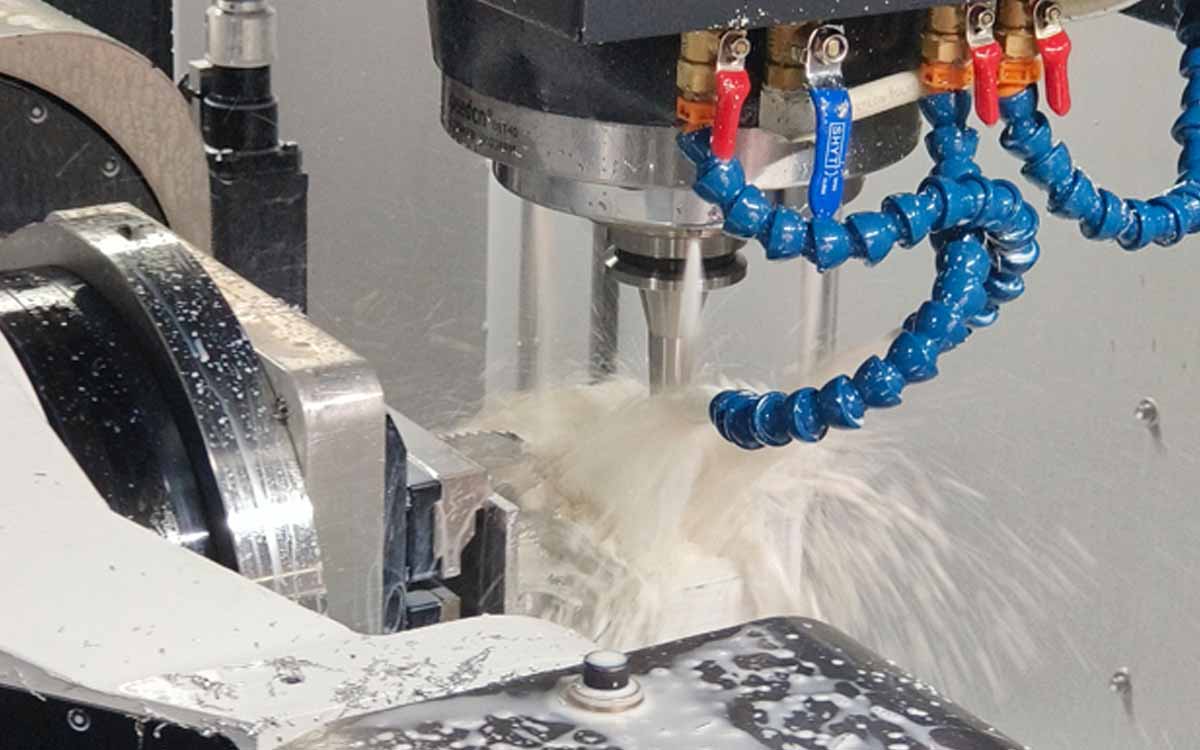
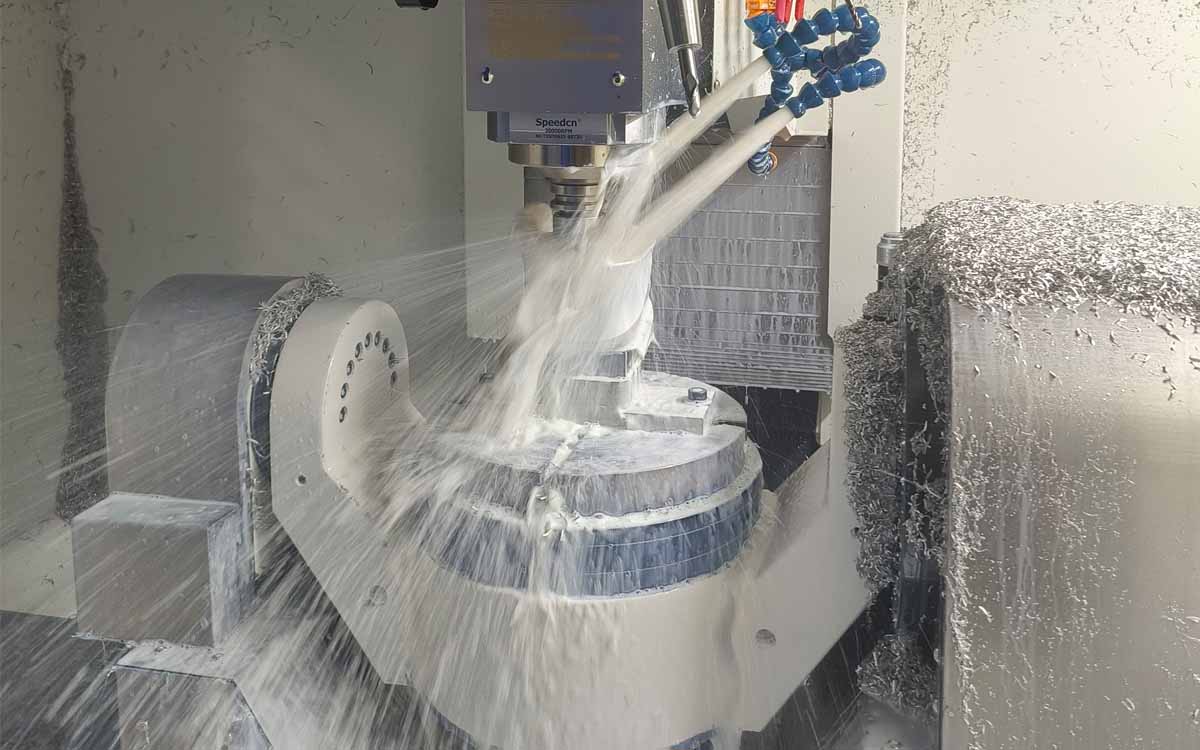
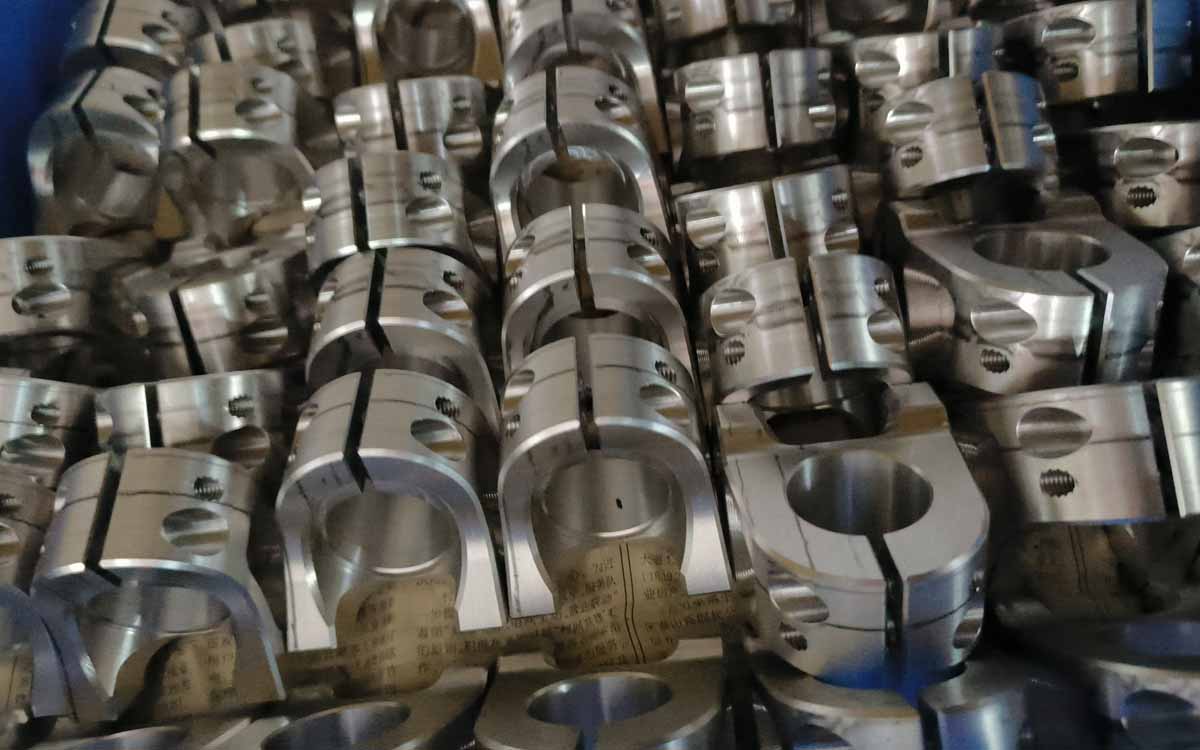
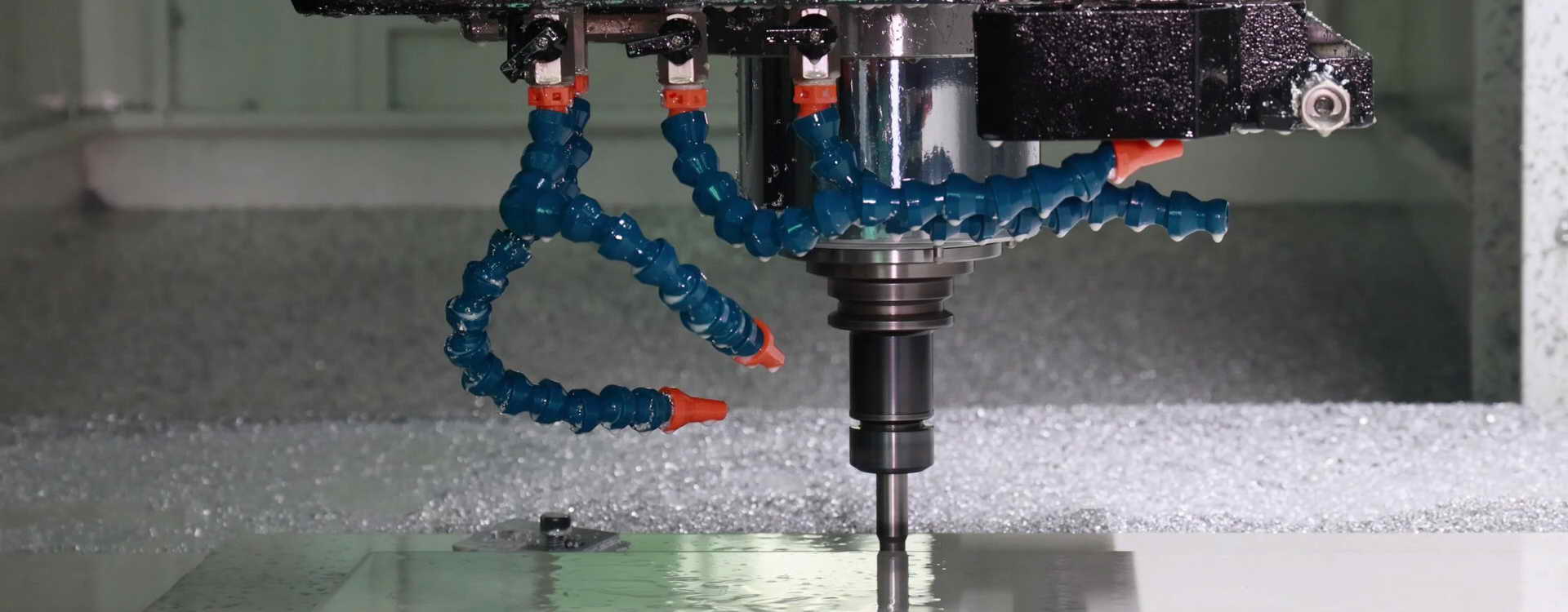
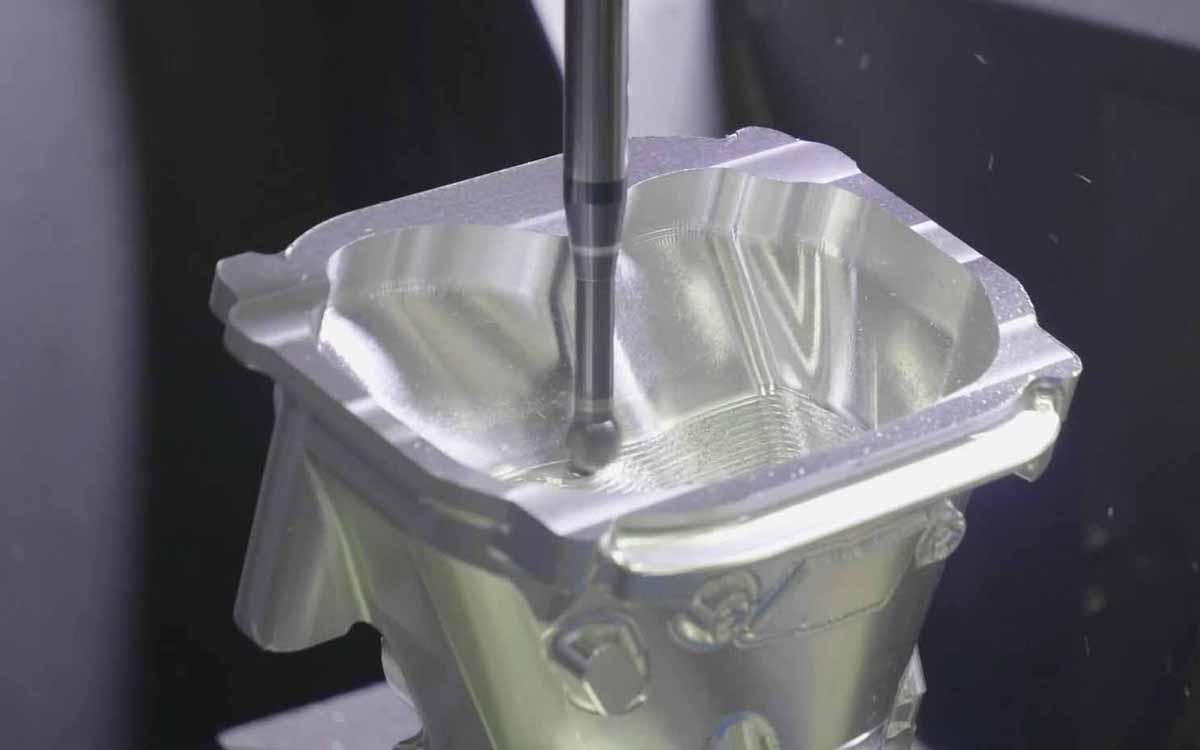
Some porosity is normal in die castings, and it is important to design with that in mind. For pressure-tight or high-strength parts, we can use vacuum die casting or impregnation to reduce or seal porosity. Critical faces that need tight tolerance or a good finish are machined after casting, so leave a small machining allowance on those faces. Planning for porosity and machining up front prevents surprises later.
Machining Allowance
Leave a small machining allowance, typically 0.3 to 0.5 mm, on faces that need tight tolerance or a good finish. We machine critical sizes after casting, so the final part meets spec. Do not try to hold tight tolerances as-cast; it is not realistic and adds cost. Plan the machining into the design.
We Review for Casting
Send your part and we run DFM and flow simulation. We flag porosity and fill risks, and suggest gate and overflow placement before tooling. This prevents expensive die changes and scrap. We also advise on alloy choice and whether vacuum casting or impregnation is needed for your application.