
Catch Drift Early, Before a Batch Goes Wrong
We check parts during production, not just at the end, because a final check can only find problems, not prevent them. In-process checks catch drift before a whole batch goes out of tolerance, which is far cheaper than scrapping a batch. Here is how in-process checking works and why it matters.
First-Off Check
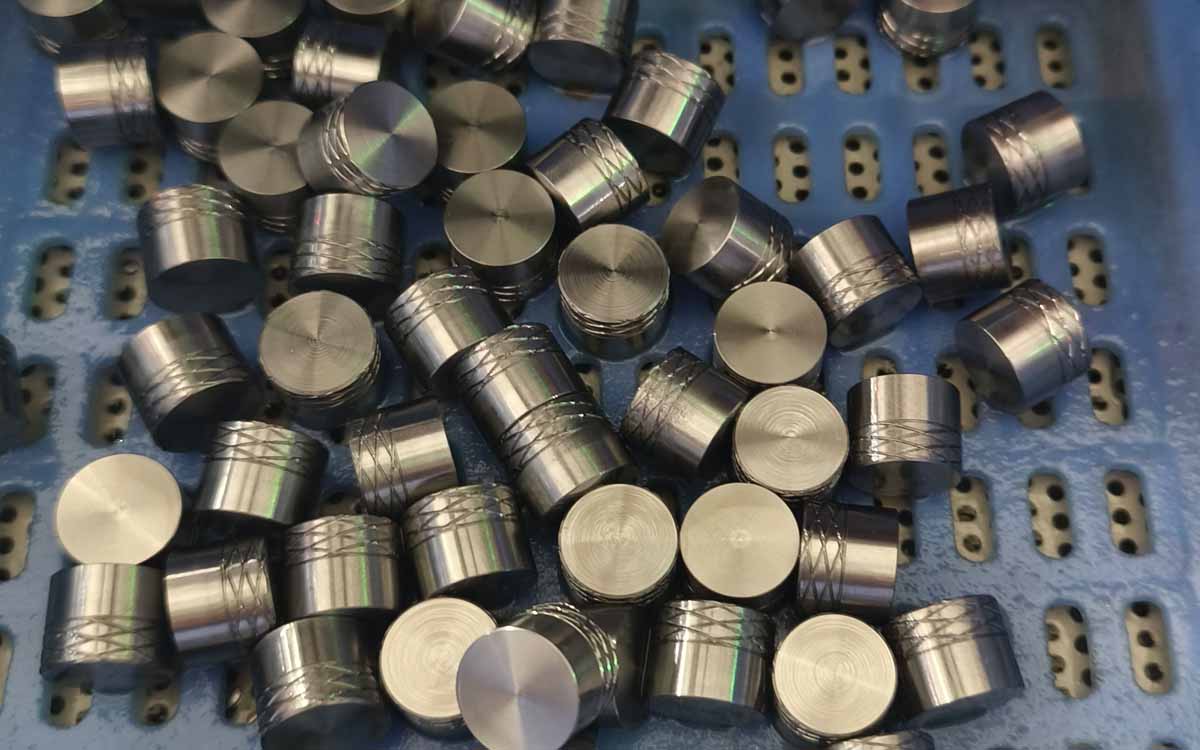
The first part off the machine is checked fully against the drawing before the run continues. This confirms the setup is right before we make a batch. If the first part is wrong, we fix the setup before making more, so we do not produce a batch of scrap.
Periodic Checks
We check parts at set intervals during the run and adjust the process before parts drift. Tool wear, heat and other variables move sizes over a run, so periodic checks catch the drift early. The interval is set by the tolerance and the process stability: tighter tolerances need more frequent checks.
Tool Wear and Heat
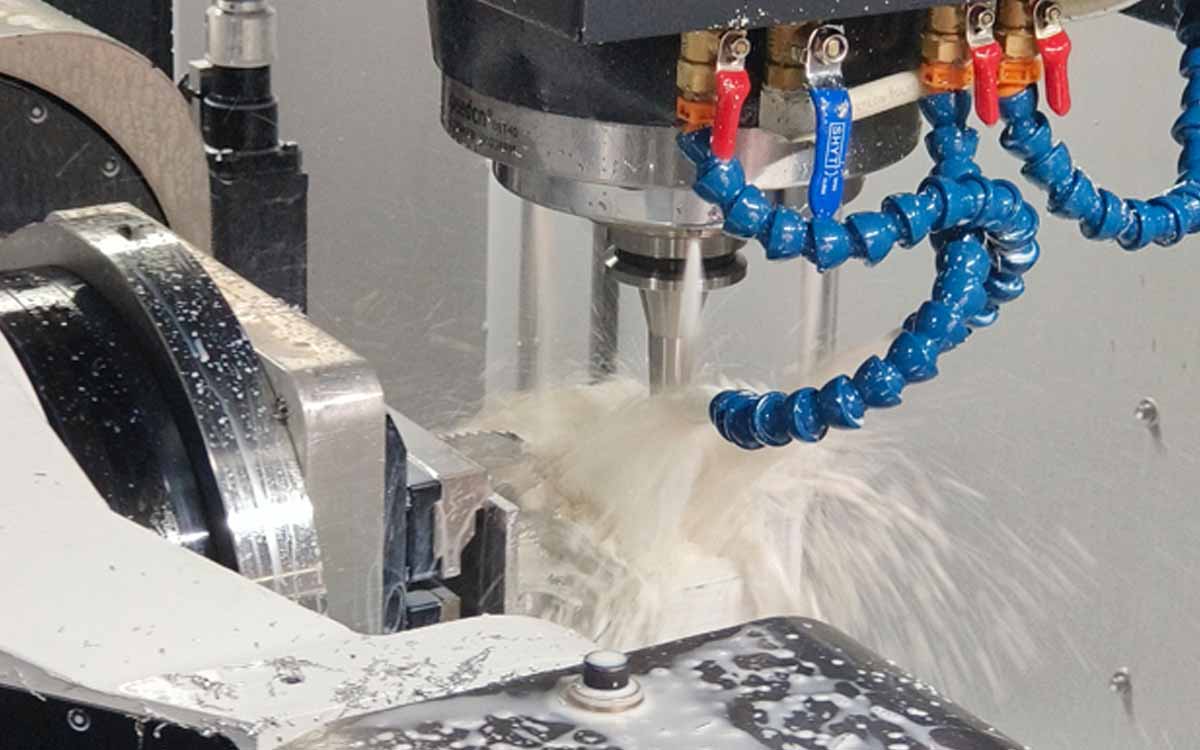
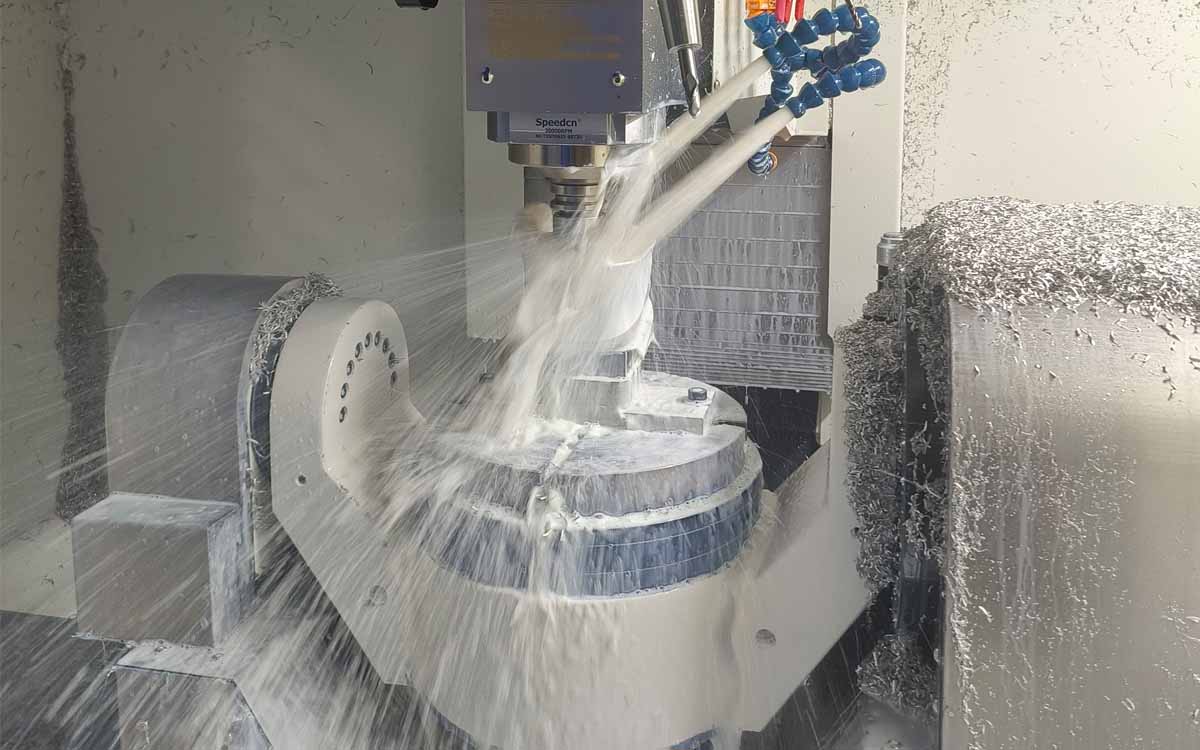
Tool wear and heat move sizes over a run, so we track these and compensate, or change tools before they cause problems. A worn tool cuts differently and can push a size out of tolerance; heat can expand the part during cutting. Managing these keeps the run stable and the parts consistent.
Why It Matters
In-process checks prevent scrap and rework. Finding a problem at part 5 is cheaper than at part 500, and far cheaper than finding it at the customer. This is the difference between a process that delivers quality and one that just hopes for it.
Documented
Check results are recorded, so each batch is traceable and repeatable. The records show the process was in control, and they give a reference if questions arise. Documentation turns in-process checking from a habit into a system.