
Right Material, From the Very Start
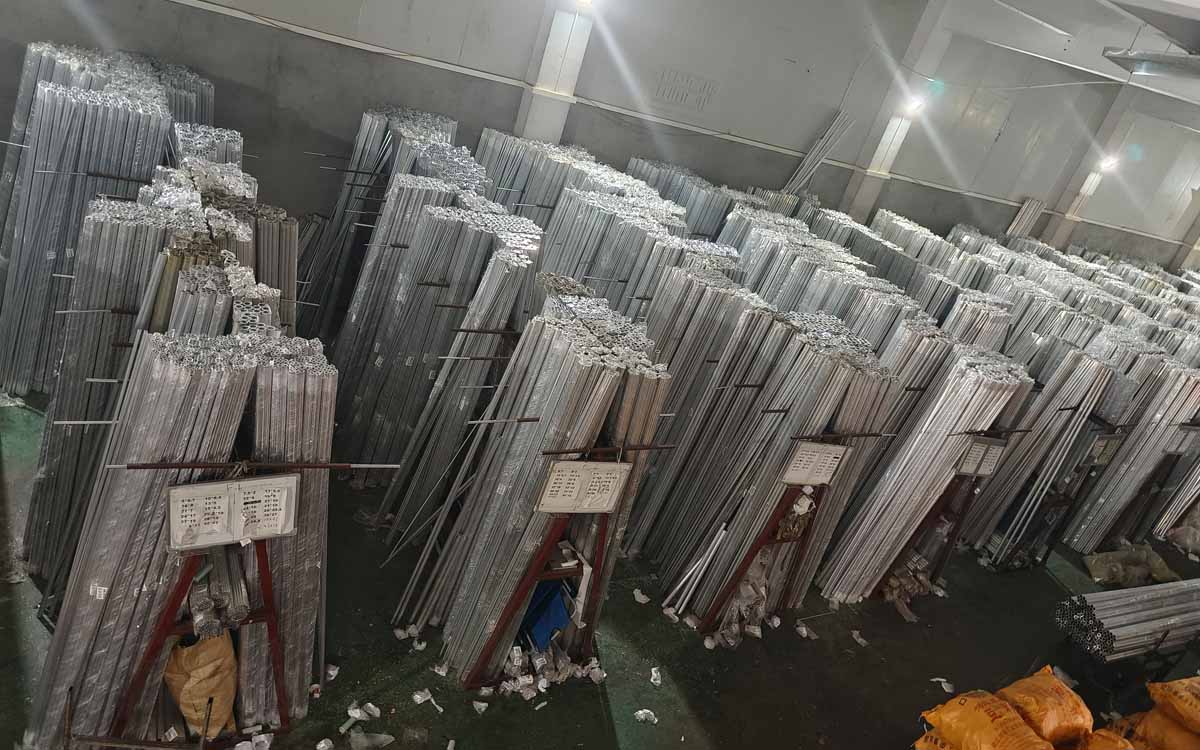
Quality starts with the right material, because no amount of careful machining can fix the wrong alloy. We verify grade and certificates on arrival, so the wrong material never goes into a job. Incoming inspection is the first and one of the most important quality checks, because a material problem found here is cheap, while one found in service is expensive. Here is how we check incoming material.
Grade Verification
We check material grade against the order and the drawing, using certificates and, where needed, testing. A wrong grade can look identical but behave very differently, so we verify rather than assume. For critical applications we can do spark testing or hardness checks to confirm the grade.
Certificates
Material certificates are reviewed and kept on file for traceability. The certificate links the material to its mill and heat, so we can trace each batch of parts back to its source. This traceability matters for quality systems and for resolving any material-related issue.
Dimensional and Surface Checks
We check stock size and surface condition so material is ready for machining without surprises. Undersized stock can mean a part cannot be cleaned up; surface defects can propagate into the part. Checking these on arrival prevents wasted machining time and scrap.
Why It Matters
Wrong material causes failures that are hard to find later, and they can be serious in service. Checking on arrival catches it cheaply, before any machining is done. This is one of the highest-value checks in the whole process, because it prevents a class of problems that are expensive to find later.
Traceability
Material records link each batch of parts to its material, for full traceability. If a question arises about a part, we can trace it back to the material lot and certificate. This is essential for medical, aerospace and automotive customers, and good practice for everyone.