Ra: A Single Number for Smoothness
Ra is the average roughness of a surface, measured in micrometers. It is the arithmetic average of the peaks and valleys over a sample length. Lower Ra means smoother. It is the most common way to specify surface finish, and it tells you how a face will look, feel, seal and wear. But a single number does not capture everything, and smoother is not always better. Understanding what Ra means, and what typical values are, helps you specify the right finish without overpaying.
Typical Ra Values
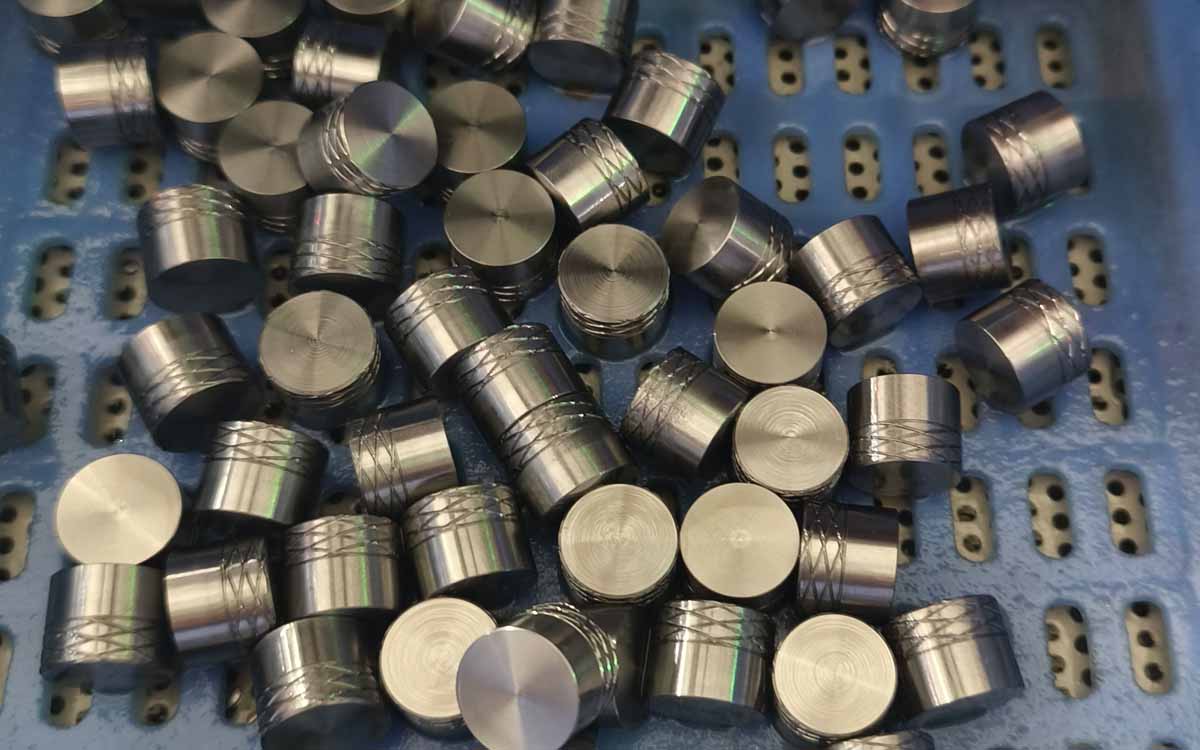
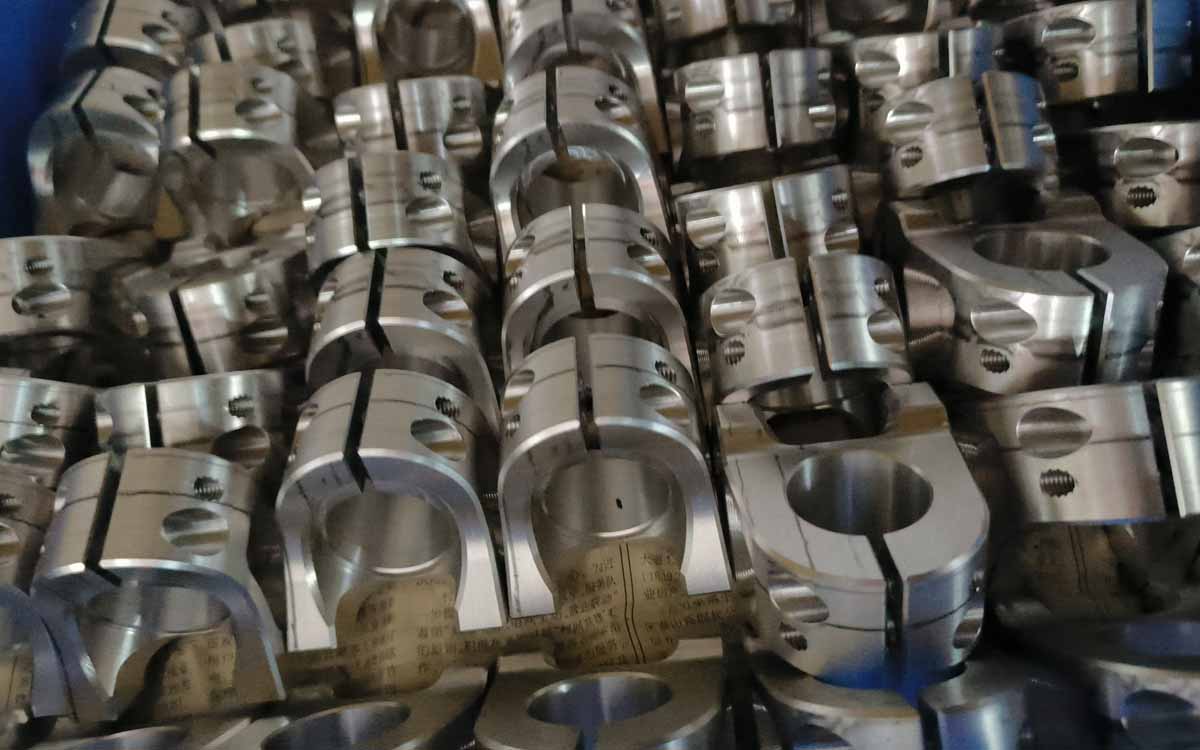
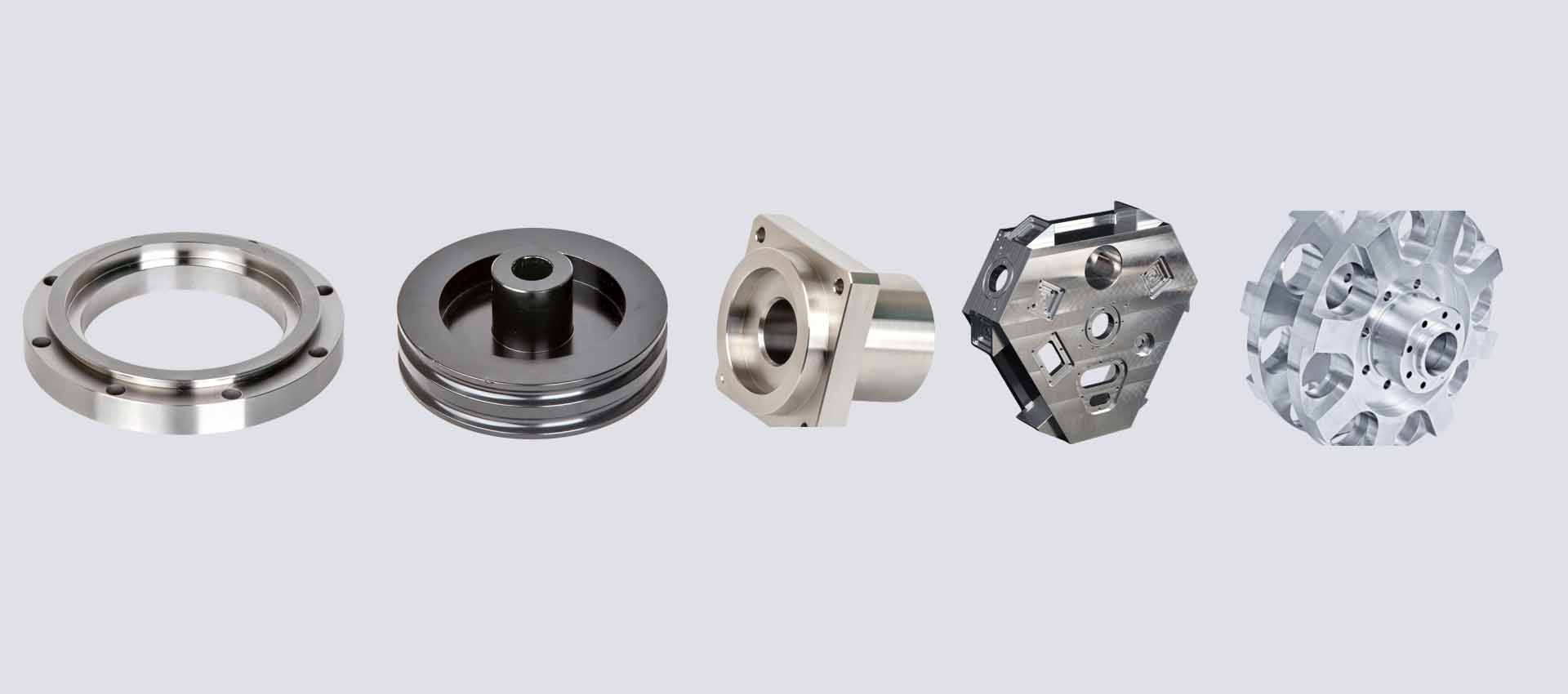
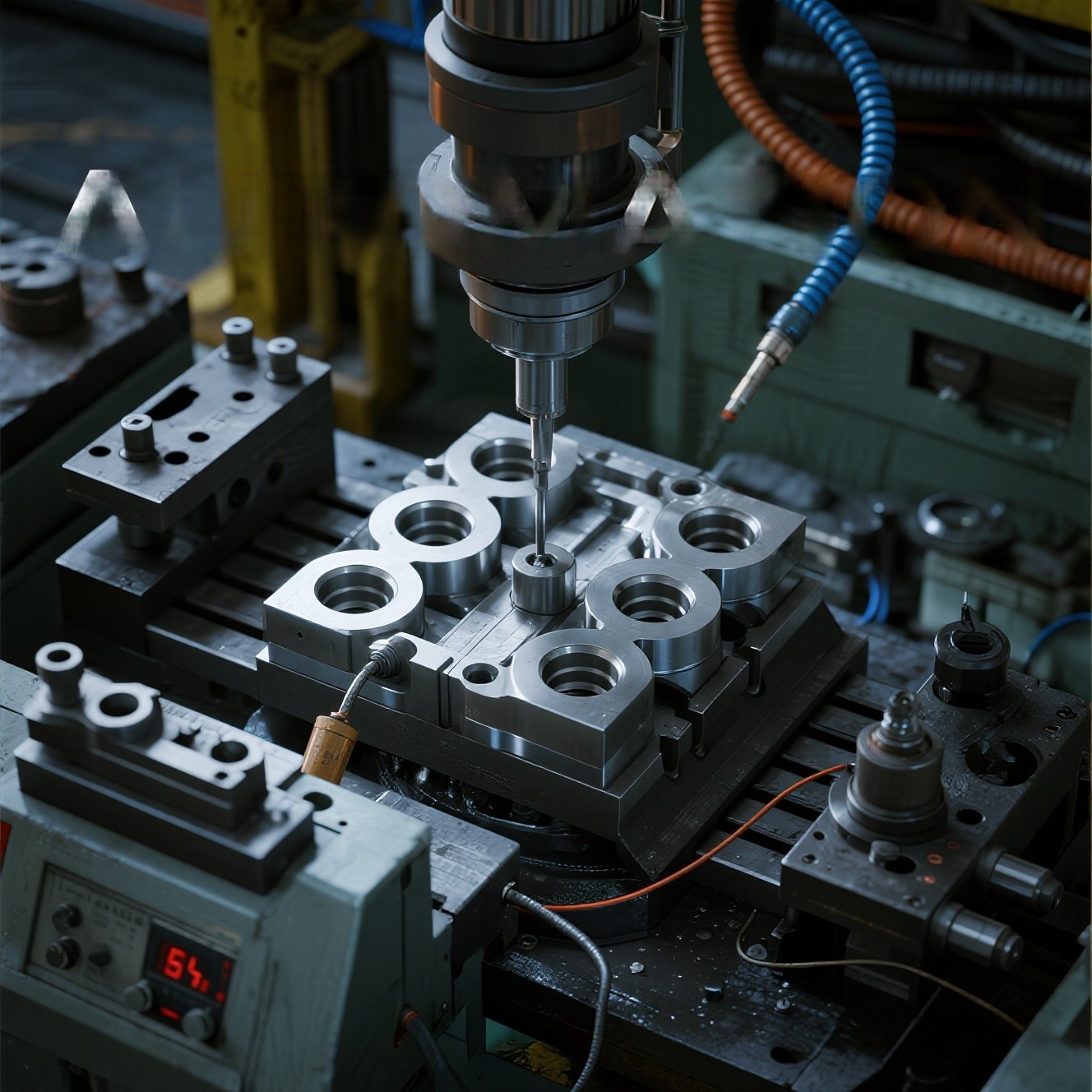
As-machined milling or turning is around Ra 1.6 to 3.2 um. Fine machining gives Ra 0.8. Grinding gives Ra 0.4. Polishing and lapping give Ra 0.1 or lower. Each step down in Ra costs more, so specify the lowest Ra you actually need. Most functional faces are fine at Ra 1.6 to 3.2; only sealing, bearing and optical faces need finer.
Why Ra Matters for Function
Sealing faces need low Ra so the seal contacts the surface fully and does not leak. Bearing faces need low Ra so they run smoothly and do not wear. Cosmetic faces need a consistent texture, which is about more than just Ra. Most other faces work fine as-machined. The key is to match the Ra to the function of each face, not to specify a fine finish everywhere.
How to Specify Surface Finish
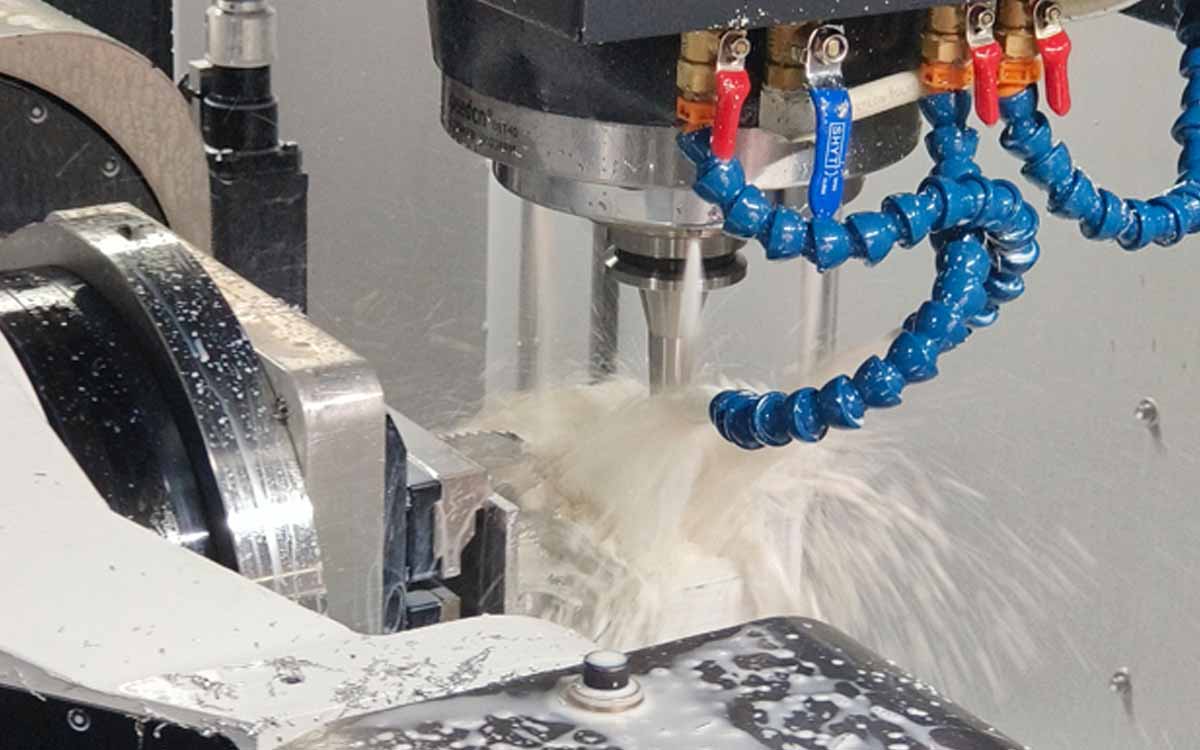
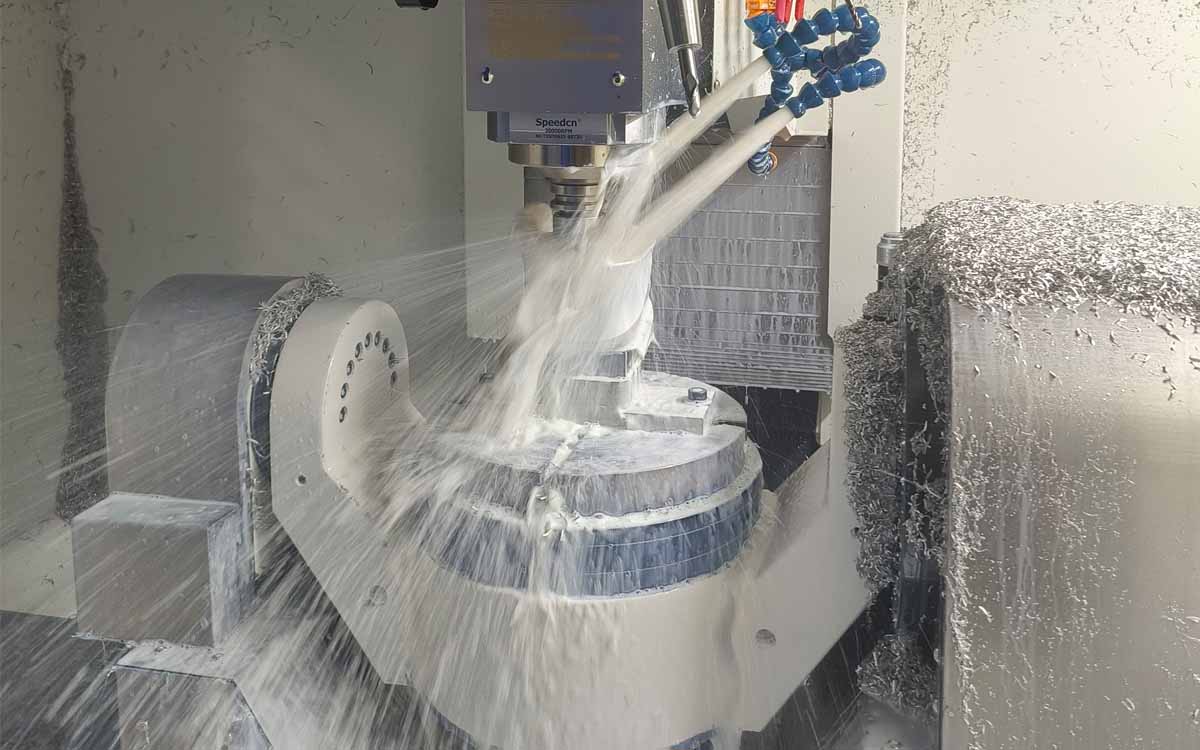
Mark Ra on the drawing only for faces that need a specific finish, and use as-machined for the rest to save cost. For cosmetic faces, describe the look (matte, brushed, glossy) and approve a sample, because appearance is hard to capture in a single number. We measure Ra with a roughness tester and verify against the drawing, and we protect finished faces in packing.
Ra vs Rz
Ra is the average roughness; Rz is the average peak-to-valley height over several samples. Ra is the common spec and is usually what you want. Rz is more sensitive to occasional deep scratches, so it is used where a single deep mark would cause a problem, like a sealing face. If you need Rz, tell us and we measure it. For most parts, Ra is sufficient.
We Match the Finish to the Job
Tell us the function and look you need for each face, and we pick the process and verify the result. We do not over-finish faces that do not need it, which saves you money. And we approve cosmetic samples before production, so there are no surprises on arrival.