
Design for the Process, Not Just the Function
DFM, or design for manufacturability, means designing your part so it is easy and cheap to make without losing function. It is one of the highest-leverage activities in product development, because most of a part's cost and most of its quality risks are locked in at the design stage. A small change, like adding a radius or thickening a wall, can cut cost significantly or prevent a failure. DFM is not about making the part worse; it is about making it manufacturable at the lowest cost while keeping everything it needs to do.
Examples in Machining
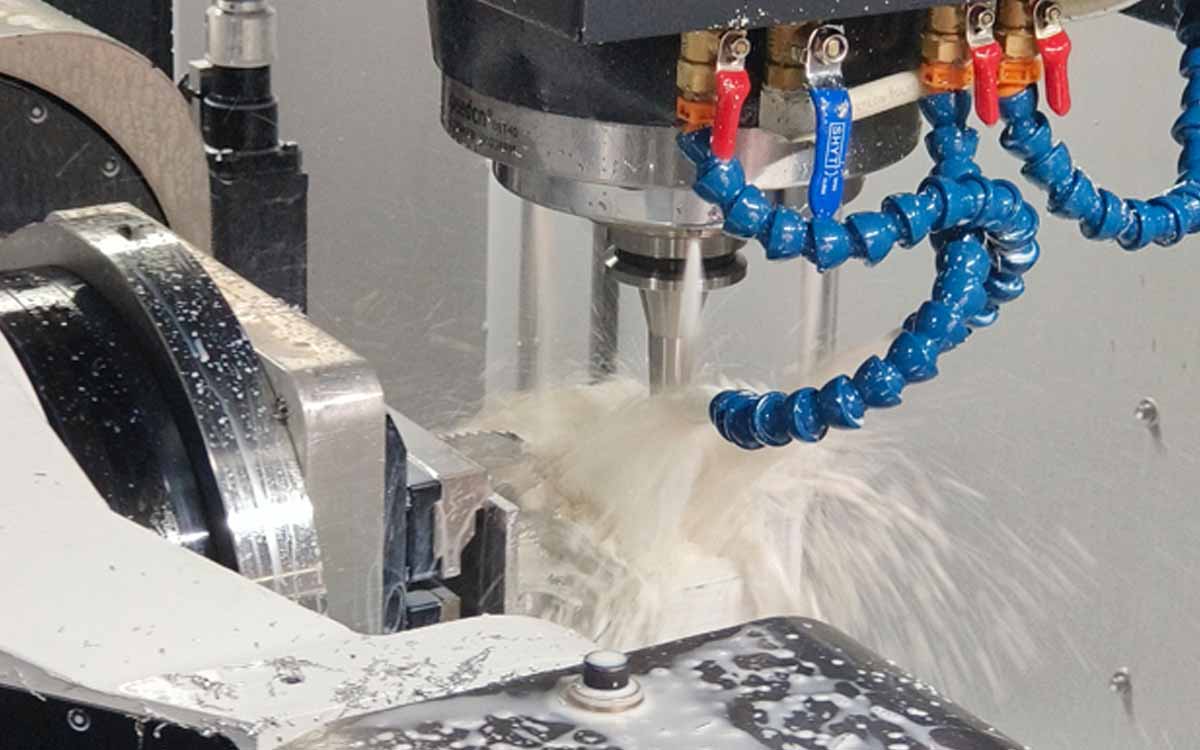
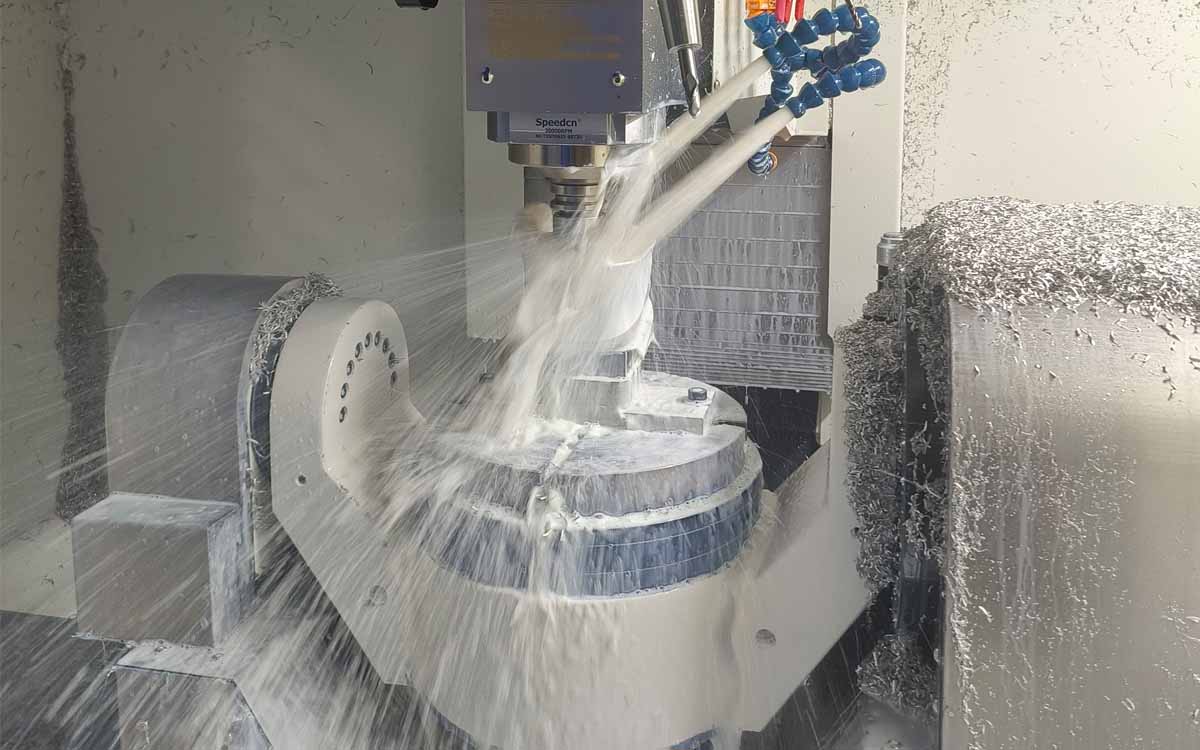
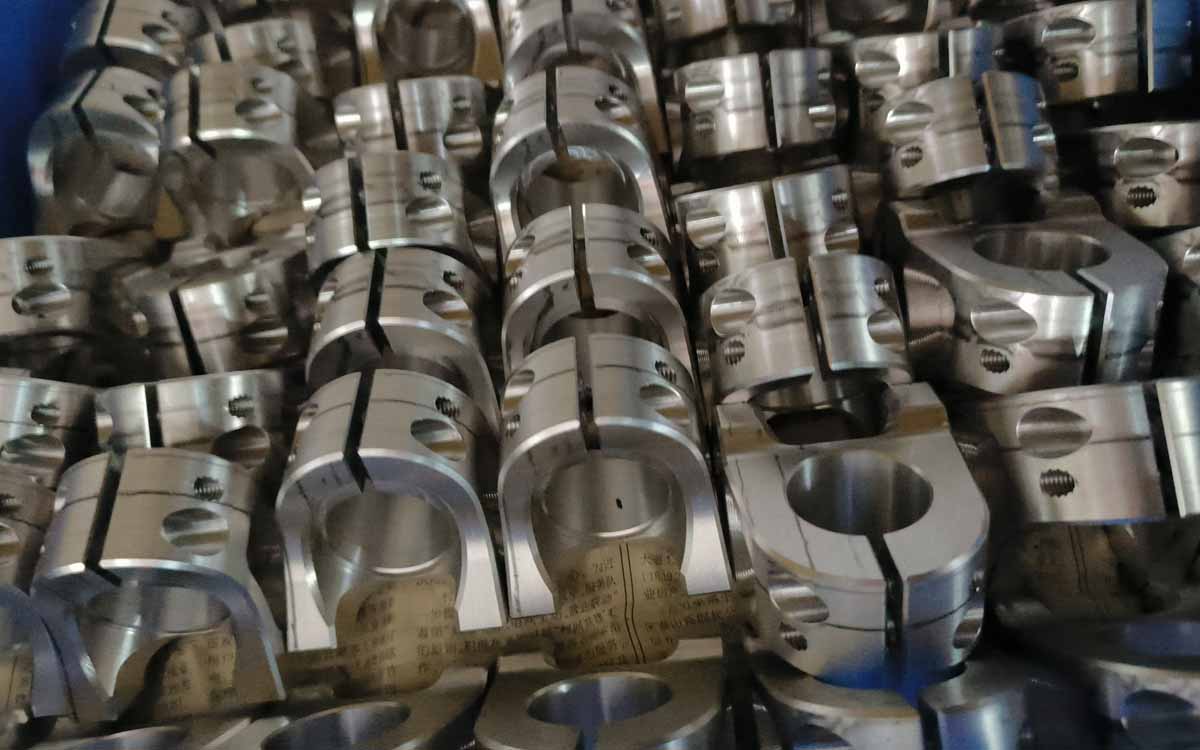
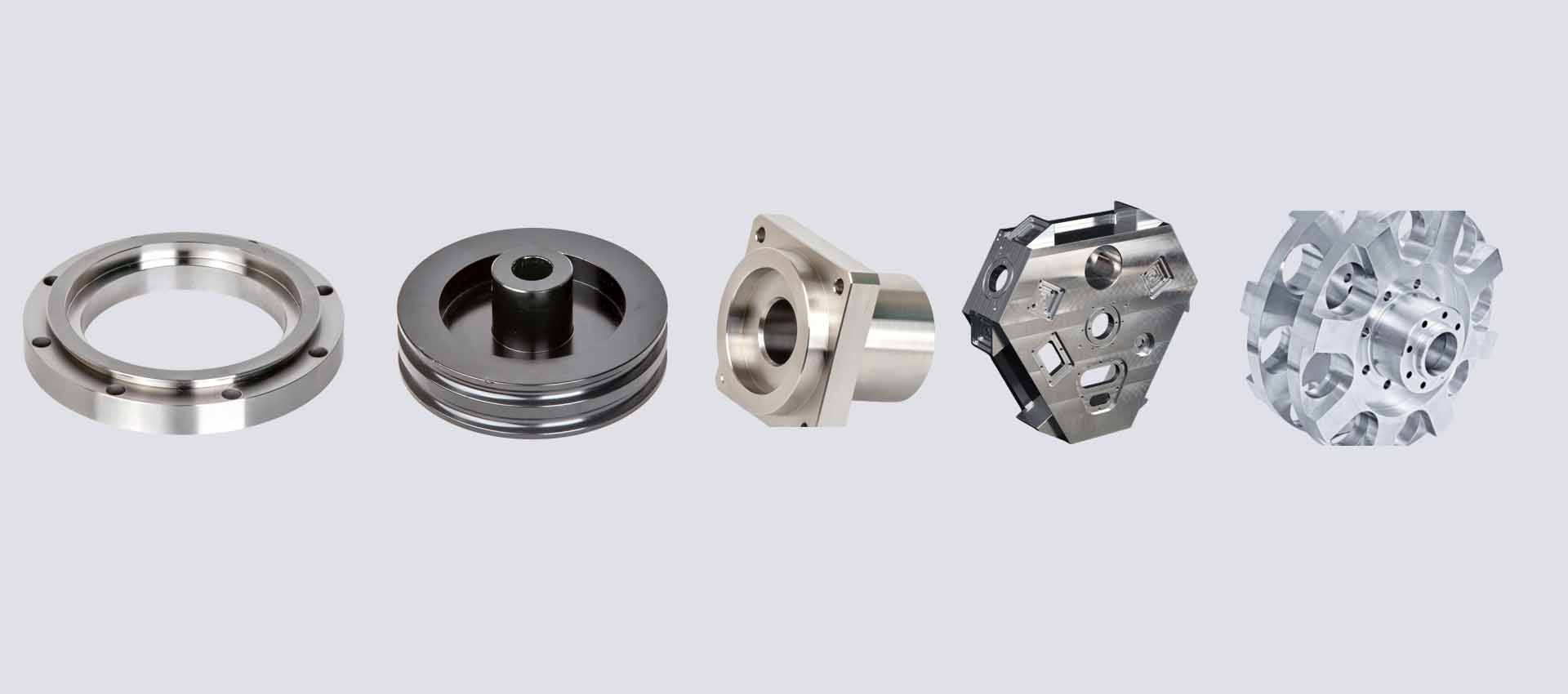
In machining, DFM means thicker walls that do not vibrate, standard tolerances instead of tight ones everywhere, radii at internal corners so the round tool can cut cleanly, standard thread sizes, and pockets that are not too deep for the tool. Each of these makes the part faster and cheaper to machine and reduces scrap. A part designed with these rules can cost 20-30% less than the same part designed without them.
Examples in Molding and Casting
In molding, DFM means even walls, draft angles for release, ribs instead of thick sections to avoid sink marks, and good gate placement. In casting, it means thin even walls, fillets at corners, and planning for porosity and machining. These rules prevent the classic defects: sink, warpage, weak weld lines, cracks and stuck parts. Following them means fewer mold changes and less scrap.
Why DFM Saves Real Money
Catching a problem in design costs nothing. Catching it after tooling costs thousands. Catching it in production costs tens of thousands and delays your launch. DFM review finds these problems early, when they are cheap to fix. That is why we include DFM feedback with every quote: it is one of the most valuable things we offer, and it saves customers real money on almost every project.
We Include DFM With Every Quote
Send your CAD file and we review it for manufacturability, then give specific feedback: what will cost extra, what risks failure, and how to fix it. This comes before you commit, so you can make changes cheaply. Many customers save 10-30% on part cost just by acting on the feedback. It is free and it is one of the best reasons to involve us early.
How to Use DFM
Send your CAD file early, even a rough design. We review and suggest changes that save cost while keeping function. The earlier you involve us, the more you save, because changes are cheapest before the design is locked. Do not wait until the design is final to ask for DFM; by then, some opportunities are already lost.