Two Ways to Make a Part, Two Different Strengths
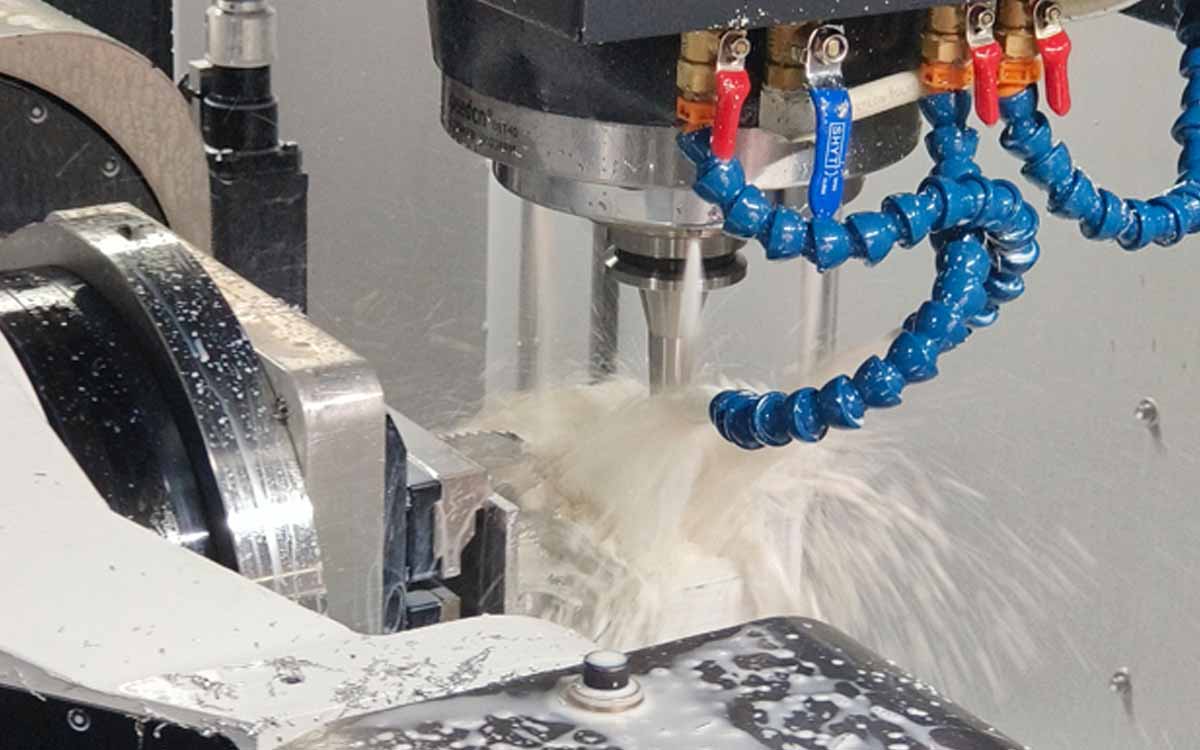
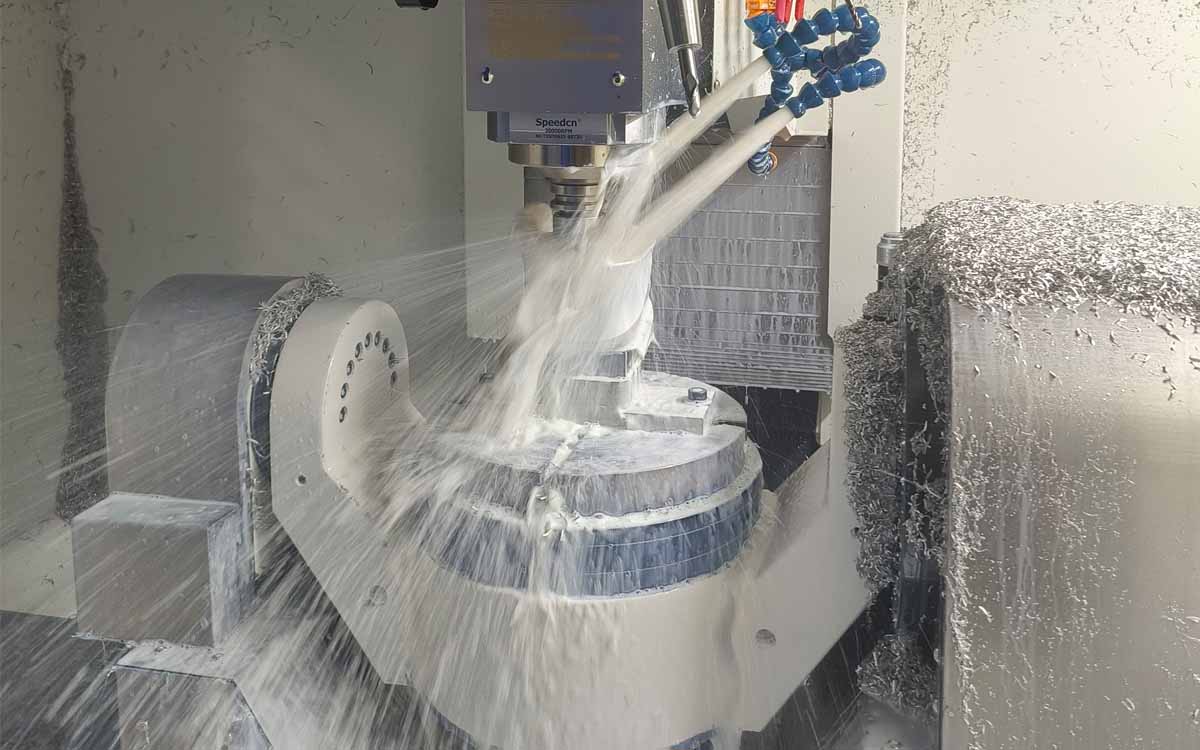
CNC machining cuts material away from a solid block; 3D printing adds material layer by layer. Both make custom parts without production tooling, and both can be fast, but they win in different situations. The choice comes down to what the part must do: its strength, its tolerance, its shape, its material and how many you need. Many projects actually use both, printing a quick concept model and then machining the final functional part. Understanding where each process shines helps you pick the right one and avoid paying for capability you do not need.
Strength and Material Properties

Image caption text Factory or company illustration


Image caption

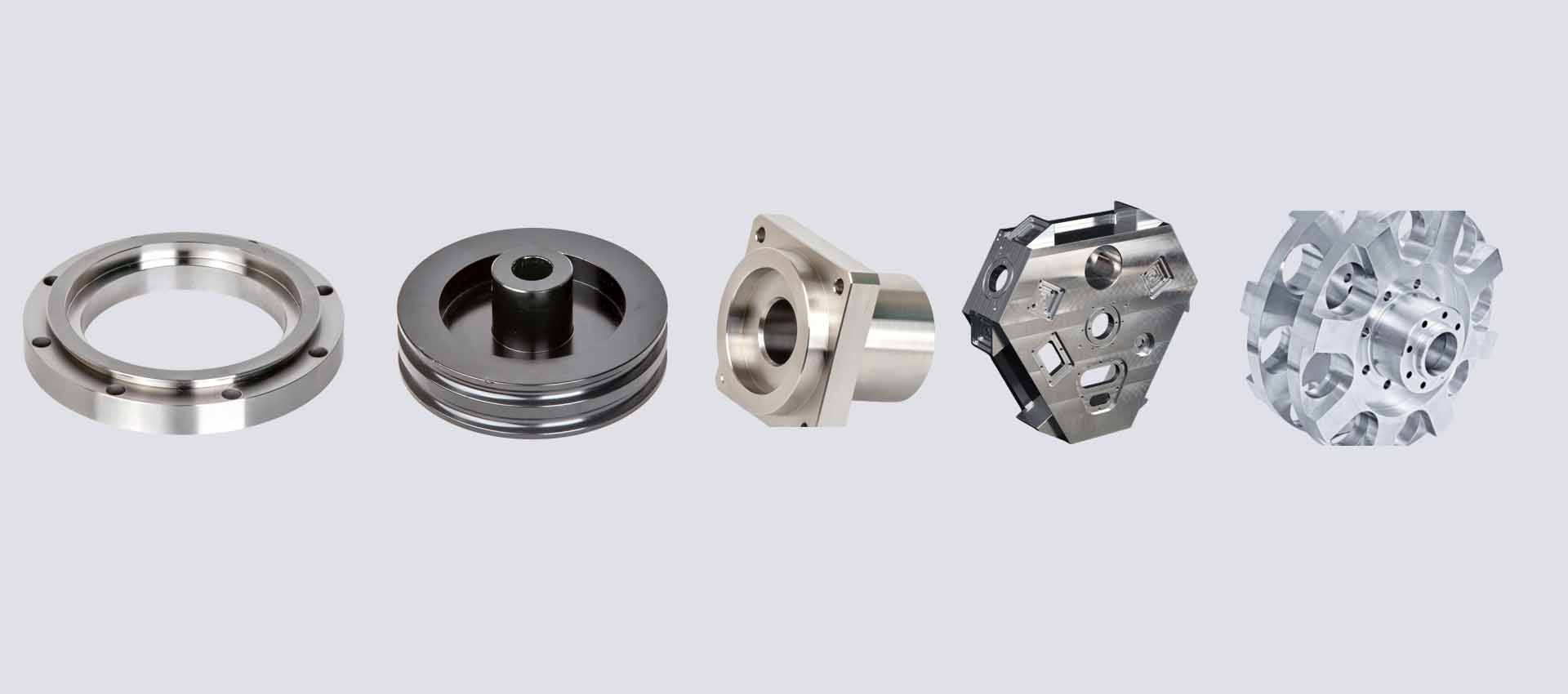
CNC parts are cut from solid stock, so they have the full strength of the material in every direction. Printed parts are built in layers, and the bond between layers can be weaker than the material itself, especially in tension perpendicular to the layers. For load-bearing parts, CNC usually wins on strength and predictability. Printing has improved a lot, and processes like SLS and MJF give good mechanical properties, but if the part carries real load, machined metal is still the safe choice.
Related Topic: #Topic 2
10 Related Articles
News Post 555
Common Machining Mistakes to Avoid
Common machining mistakes to avoid: over-tolerancing, thin walls, sharp corners, deep pockets and unclear drawings. How to fix them cheaply in design.
Choosing the Right Surface Finish
Choosing the right surface finish: match the finish to function, looks, cost and material. Anodizing, plating, powder coating, polishing and more.
From Prototype to Production
From prototype to production: validate the design, bridge with rapid tooling, and scale with one team. A smooth path that keeps quality consistent.
Why 5-Axis Machining Is Worth It
Why 5-axis machining is worth it: fewer setups, better accuracy, complex shapes and shorter lead time. When it pays off versus 3-axis machining.
Aluminum vs Steel for Machined Parts
Aluminum vs steel for machined parts: compare weight, strength, cost, corrosion and machinability to choose the right metal for your part.
DFM Tips to Cut Machining Costs
DFM tips to cut machining costs: standard tolerances, radii, thicker walls, simpler pockets and batch orders. Five practical changes that save 10-30%.
News Post 3
Post excerpt including keyphrase for the post. Very essential and important content. No need too long. Kinds of the meta description. Display in frontend
News Post 2
Post excerpt including keyphrase for the post. Very essential and important content. No need too long. Kinds of the meta description. Display in frontend
News Post 1
Post excerpt including keyphrase for the post. Very essential and important content. No need too long. Kinds of the meta description. Display in frontend
Related Topic: #topic 1
15 Related Articles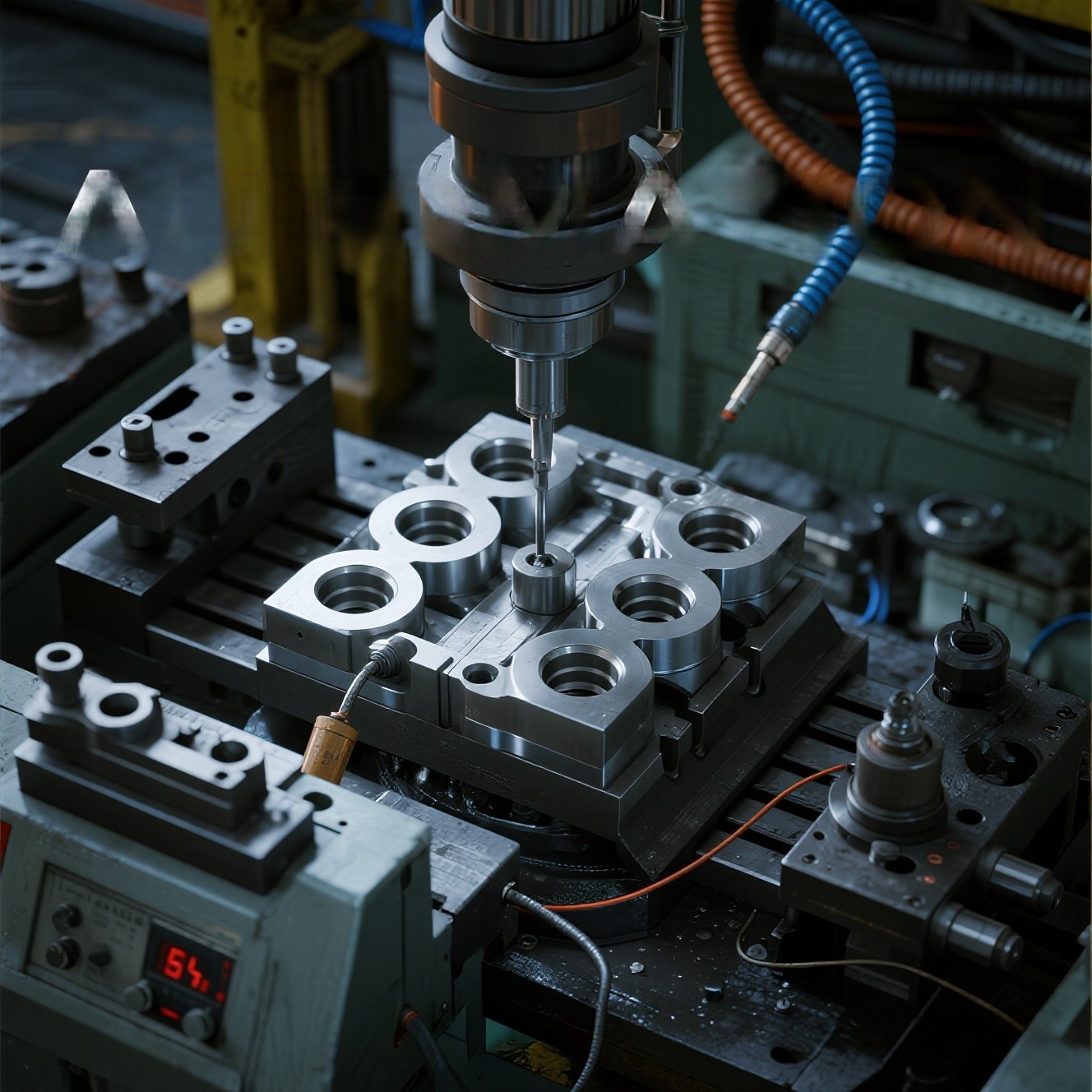
Surface Roughness Ra Explained
Surface roughness Ra explained: what the numbers mean, typical values, Ra vs Rz, and how to specify the right finish for sealing, bearing and cosmetic faces.
Common Machining Mistakes to Avoid
Common machining mistakes to avoid: over-tolerancing, thin walls, sharp corners, deep pockets and unclear drawings. How to fix them cheaply in design.
Choosing the Right Surface Finish
Choosing the right surface finish: match the finish to function, looks, cost and material. Anodizing, plating, powder coating, polishing and more.
From Prototype to Production
From prototype to production: validate the design, bridge with rapid tooling, and scale with one team. A smooth path that keeps quality consistent.
Why 5-Axis Machining Is Worth It
Why 5-axis machining is worth it: fewer setups, better accuracy, complex shapes and shorter lead time. When it pays off versus 3-axis machining.
Aluminum vs Steel for Machined Parts
Aluminum vs steel for machined parts: compare weight, strength, cost, corrosion and machinability to choose the right metal for your part.
DFM Tips to Cut Machining Costs
DFM tips to cut machining costs: standard tolerances, radii, thicker walls, simpler pockets and batch orders. Five practical changes that save 10-30%.
Quality Inspection Video
Quality inspection video: watch CMM measurement, optical checks and roughness testing, with documented results for every batch.
Aerospace Structural Parts
Aerospace structural parts from MiGi: 5-axis machined brackets and fittings in 7075 aluminum and titanium, with tight tolerances and full traceability.
Electronics Enclosures and Heat Sinks
Electronics enclosures and heat sinks from MiGi: machined aluminum housings with clean finishes and finned heat sinks with flat mounting faces for cooling.
Tolerance and Surface Finish
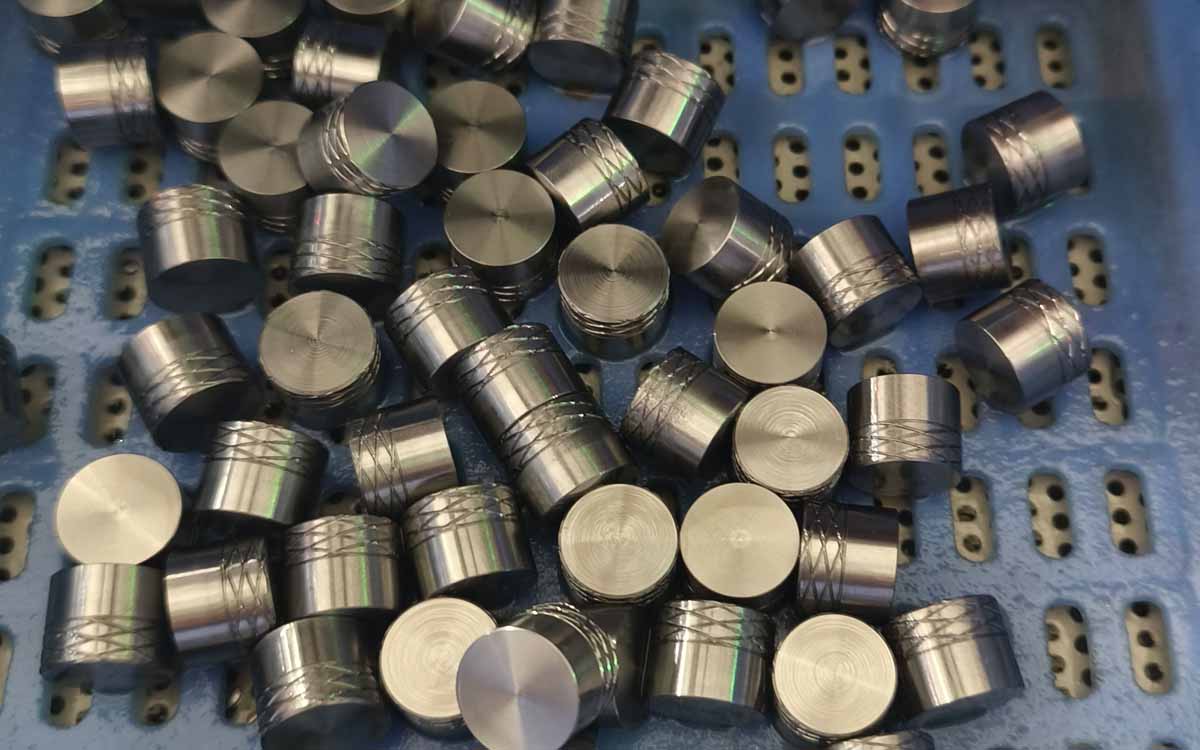
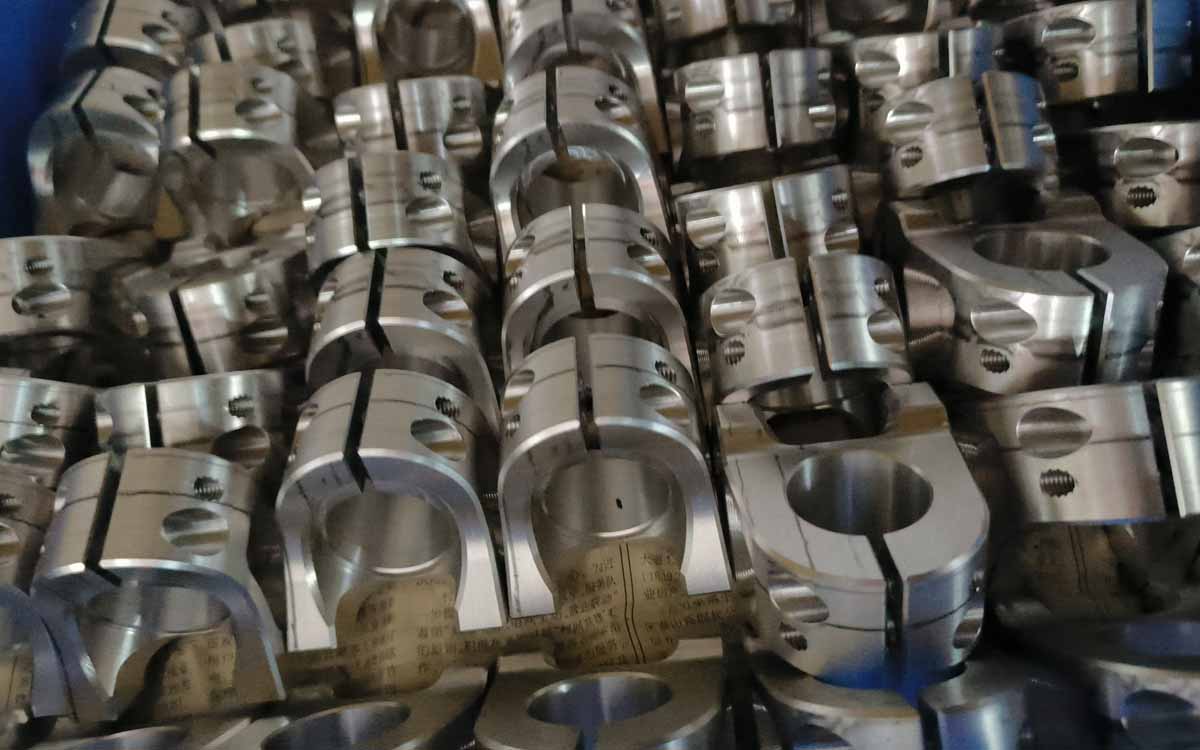
CNC holds tighter tolerances and smoother finishes than printing. A machined part can hold a few microns and a fine surface straight off the machine. Printed parts typically hold looser tolerances and show layer lines, and they often need post-machining for tight fits or sealing faces. If your part needs a precise fit or a smooth functional surface, CNC is the better route, or plan a machining step after printing.
Complexity, Cost and Quantity
Printing wins for complex internal shapes, lattices, undercuts and organic forms that would be hard or impossible to machine, and it has no tooling cost, so it is cheap for one or a few parts. CNC wins for simpler shapes, tight tolerances, production materials and medium quantities where the per-part cost drops. For a complex one-off, print it; for a precise metal part in quantity, machine it.
Table name
| 分类 | 名称 | 网址 | 核心产品 / 主营 | 对标定位与亮点 |
| 国内厂家 | 北平机床(浙江)股份 | http://www.hdpp.cn/ | 五轴数控工具磨床 BPX / T 系列 | 国产五轴工具磨老牌大厂,单项冠军企业,铣刀钻头整体刀具磨削 |
| 国内厂家 | 浙江台星智能装备(TXMC) | https://www.zjtxzz.com/index/zh.aspx | 刀片周边磨、PCD 刀具磨床 | 刀片磨削方向强,中小刀具厂客户多,产品线广 |
| 国内厂家 | 北京德铭纳精密机械 | https://www.demina.cn | 超硬刀具磨床 BT 系列 | 国产超硬刀具磨床先行者,配套刀聚云磨削 CAM 软件 |
| 国内厂家 | 北京海宝精机 | https://www.hpcm.com.cn/ | 可转位刀片周边磨床 HP 系列 | 专注刀片磨削中心,以硬质合金刀片为主 |
| 国内厂家 | 苏州苏鹰机械(TOWA) | http://www.ysmdj.com | U2/U3、TW 系列五轴刀具磨床 | 长三角主流厂商,整机外观与自动化方案不错 |
| 国内厂家 | 苏州哈勒智能装备(HALLER) | https://www.szhaller.com | M 系列五轴工具磨、医疗刀具磨削 | 德国设计背景,工艺方案突出,骨锉/医疗刀具 |
| 国内厂家 | 常州亚同数控 | https://www.yatongcnc.com/ | 自研五轴系统 + 磨削软件五轴工具磨 | 东莞设分公司,华南客户较多 |
| 国内厂家 | 苏州艾卡森精密 | http://www.aikasen.cn | AKS 系列五轴/六轴工具磨 | 双磨头机型,主打性价比国产五轴磨床 |
| 国内厂家 | 广东豪特曼机床(Hotman) | https://www.hotmancn.com | 工具磨 + 外圆磨 + 成型磨多产品线 | 东莞本土磨床大厂,华南刀具厂客户量大 |
| 国内厂家 | 北京精雕(JDGR 磨削系列) | https://www.jingdiao.com/products/machines/grinding/jdgr500_mg | JDGR500_MG 精密磨削 | 适合硬质合金、脆性材料精密刀具磨削,微米级精度 |
| 国外品牌 | 瓦尔特 WALTER(德国) | https://www.walter-tools.com/zh-cn/ | 五轴刀具磨床 + 测量一体化 | 全球五轴刀具磨床龙头,刀具全生命周期数字化方案 |
| 国外品牌 | 孚尔默 VOLLMER(德国) | https://vollmer-group.com/zh/ | PCD 刀具、圆锯片、旋转刀具刃磨 | 锯片、超硬刀具磨床标杆,电火花+磨削复合强 |
| 国外品牌 | Rollomatic(瑞士) | https://www.rollomatic.ch/zh-hans/ | 微小钻头、小径铣刀、医疗刀具六轴精密磨床 | 超硬刀具激光加工,上海设有技术中心 |
| 国外品牌 | Anca 安卡(澳洲) | https://machines.anca.com/?lang=zh-CN | 五轴工具磨床 + ToolRoom 磨削软件 | 国内保有量很大,MX 系列是刀具厂主力机型 |
| 行业门户 | 刀具界 | https://www.cmtd.com.cn | 切削刀具行业媒体 | 刀具制造、磨削工艺、行业展会资讯 |
| 行业门户 | 磨削技术网 | https://www.chmcc.cn | 磨削专业论坛 | 工具磨床、砂轮、修整、故障讨论,技术对口 |
| 行业门户 | 金属加工 | https://www.mw1950.com | 机械加工媒体 | 刀具、磨床工艺案例,行业展会信息 |
| 行业门户 | 中国工具信息网 | https://www.cutinfo.com.cn | 工具行业标准与技术资料 | 工具所主办,行业标准、刀具制造技术资料 |
A Quick Decision Rule
Need full strength, tight tolerance or a specific metal: CNC. Need a complex shape fast, a visual model, or a few parts with no tooling: 3D printing. Need both complexity and strength: print near-net and finish-mach critical features. We help you choose by looking at the part, the quantity and the use, and we tell you honestly when the other route is better. Many customers start with a printed model and move to machined parts for production.
Lead Time

Both can be fast. Simple CNC parts ship from 3 days, and printed parts can be even faster for complex shapes because there is no tool path planning for hard features. For a quick concept model, printing often wins on speed; for a functional metal part, CNC is fast enough and gives real properties. We confirm lead time in the quote.
Related Topic: #topic 1
15 Related Articles Surface Roughness Ra Explained
Surface roughness Ra explained: what the numbers mean, typical values, Ra vs Rz, and how to specify the right finish for sealing, bearing and cosmetic faces.
Common Machining Mistakes to Avoid
Common machining mistakes to avoid: over-tolerancing, thin walls, sharp corners, deep pockets and unclear drawings. How to fix them cheaply in design.
Choosing the Right Surface Finish
Choosing the right surface finish: match the finish to function, looks, cost and material. Anodizing, plating, powder coating, polishing and more.
From Prototype to Production
From prototype to production: validate the design, bridge with rapid tooling, and scale with one team. A smooth path that keeps quality consistent.
Why 5-Axis Machining Is Worth It
Why 5-axis machining is worth it: fewer setups, better accuracy, complex shapes and shorter lead time. When it pays off versus 3-axis machining.
Aluminum vs Steel for Machined Parts
Aluminum vs steel for machined parts: compare weight, strength, cost, corrosion and machinability to choose the right metal for your part.
DFM Tips to Cut Machining Costs
DFM tips to cut machining costs: standard tolerances, radii, thicker walls, simpler pockets and batch orders. Five practical changes that save 10-30%.
Quality Inspection Video
Quality inspection video: watch CMM measurement, optical checks and roughness testing, with documented results for every batch.
Aerospace Structural Parts
Aerospace structural parts from MiGi: 5-axis machined brackets and fittings in 7075 aluminum and titanium, with tight tolerances and full traceability.
Electronics Enclosures and Heat Sinks
Electronics enclosures and heat sinks from MiGi: machined aluminum housings with clean finishes and finned heat sinks with flat mounting faces for cooling.
We Help You Choose
Send your part, quantity and use, and we recommend the process and quote it. We do both machining and printing, so we have no bias toward one, and we will tell you when a hybrid approach (print plus machine) gives the best result. The goal is the right part at the right cost, not the process we happen to like.