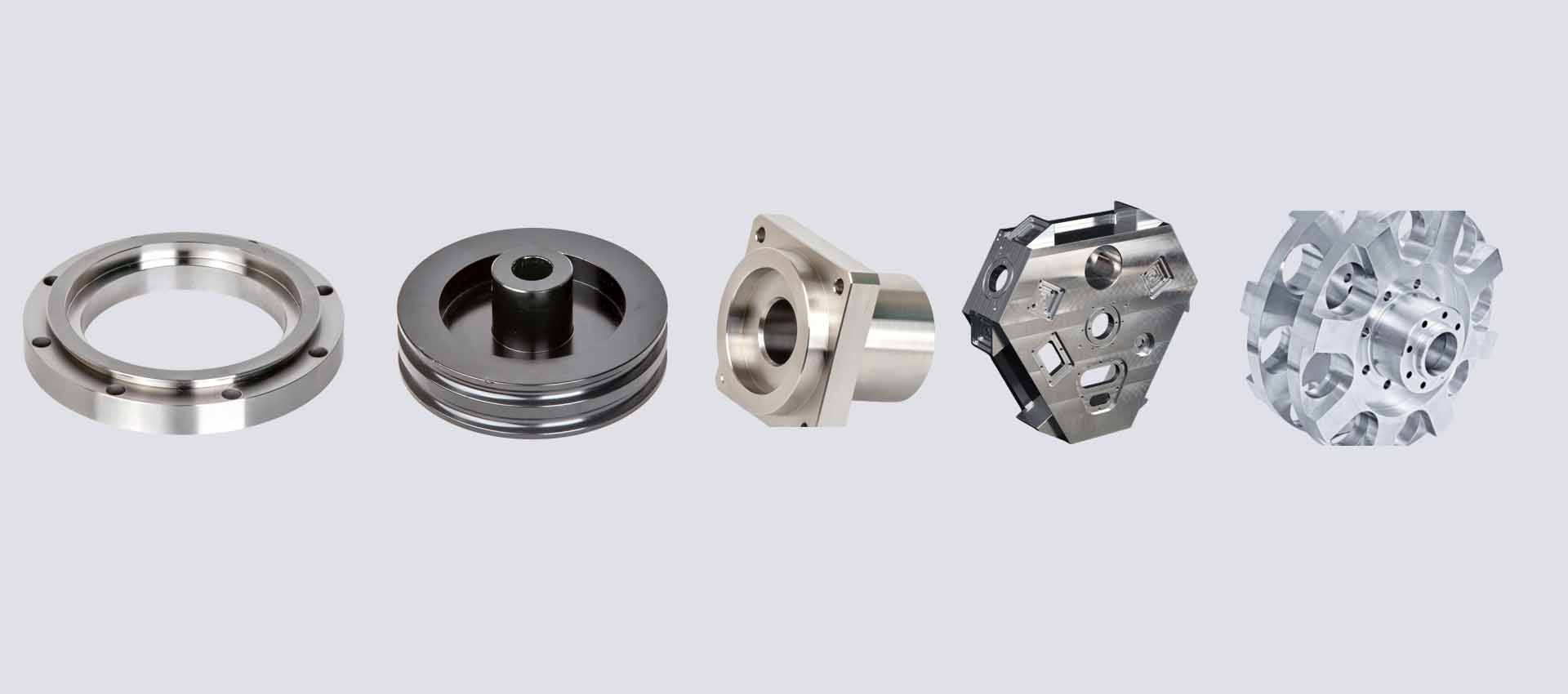

What a Good Machining Supplier Looks Like
A good machining supplier delivers parts that match the drawing, on time, at a fair price, and communicates clearly when something changes. Choosing the right one matters because a bad supplier costs you far more than the price difference: failed parts, late deliveries, disputes and lost time. Here is how to evaluate a supplier on capability, quality, communication and pricing, and the red flags that warn you away.
Capability: Can They Actually Make Your Part?
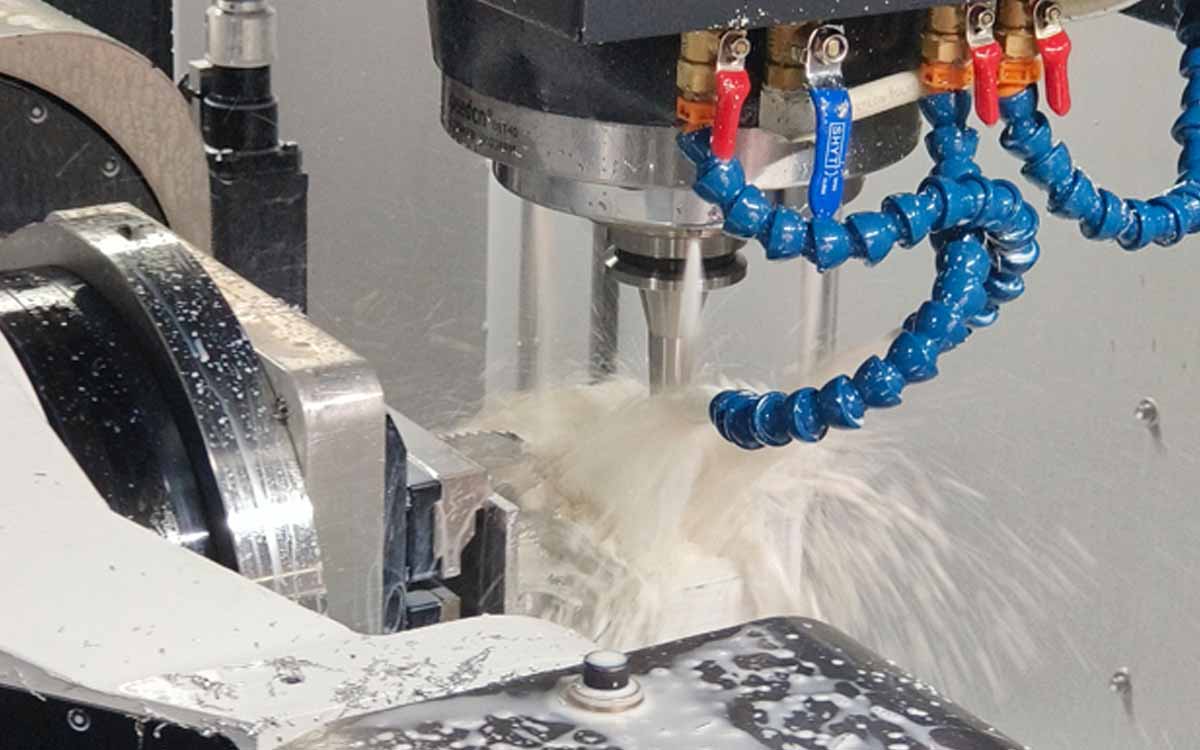
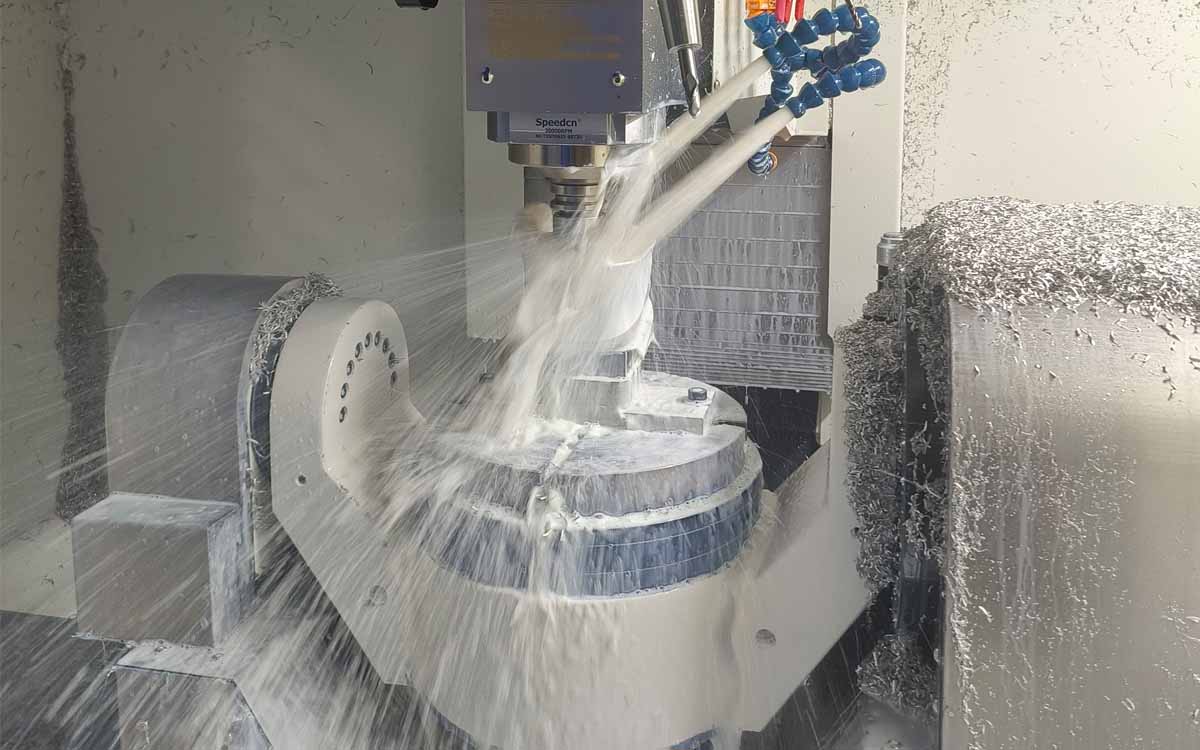
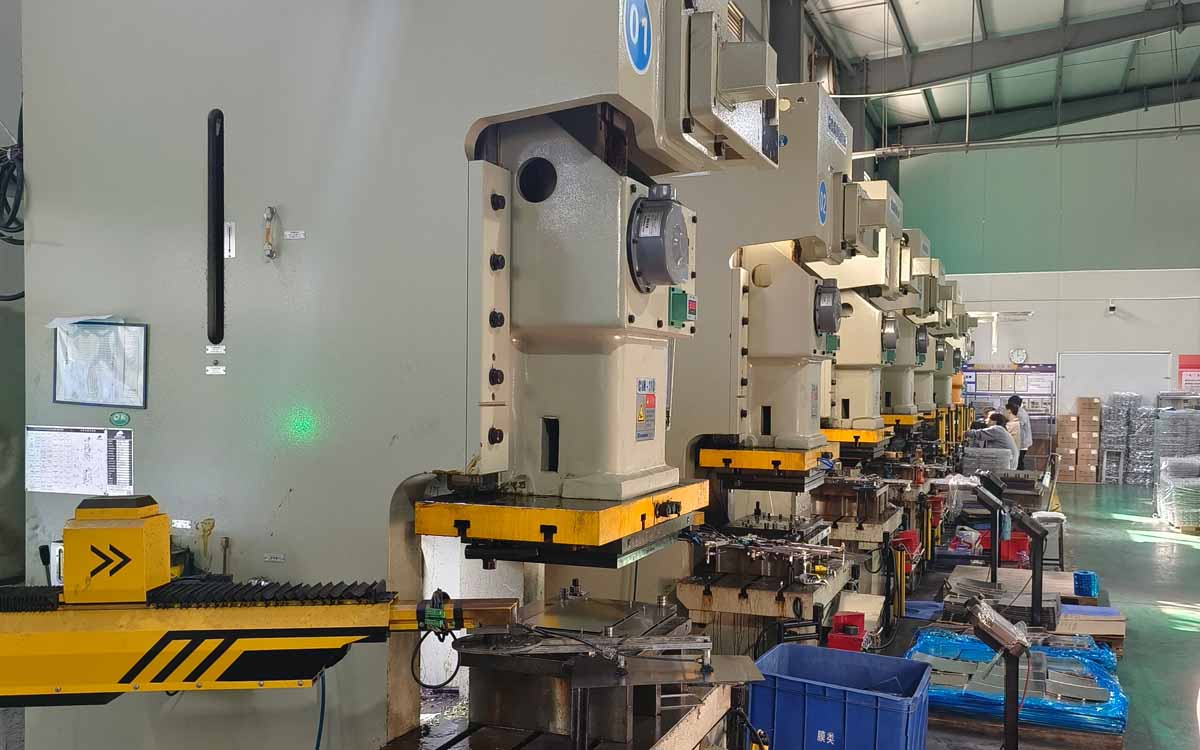
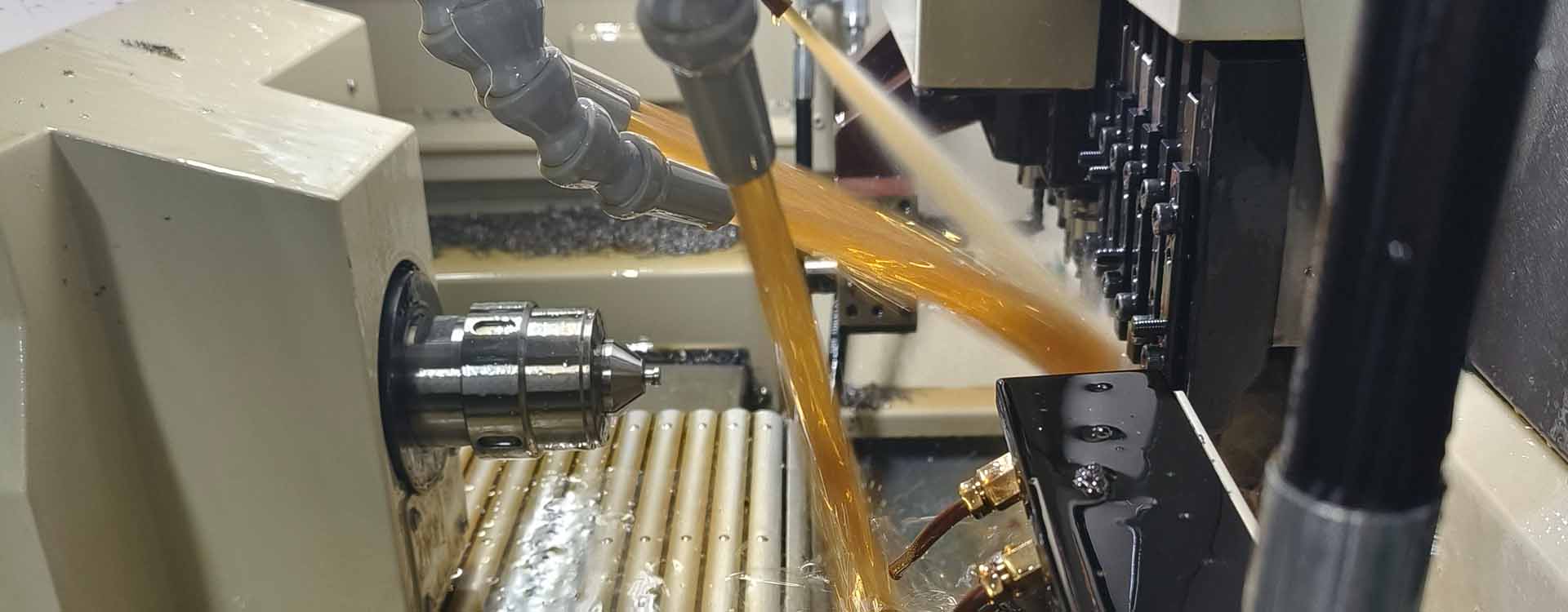
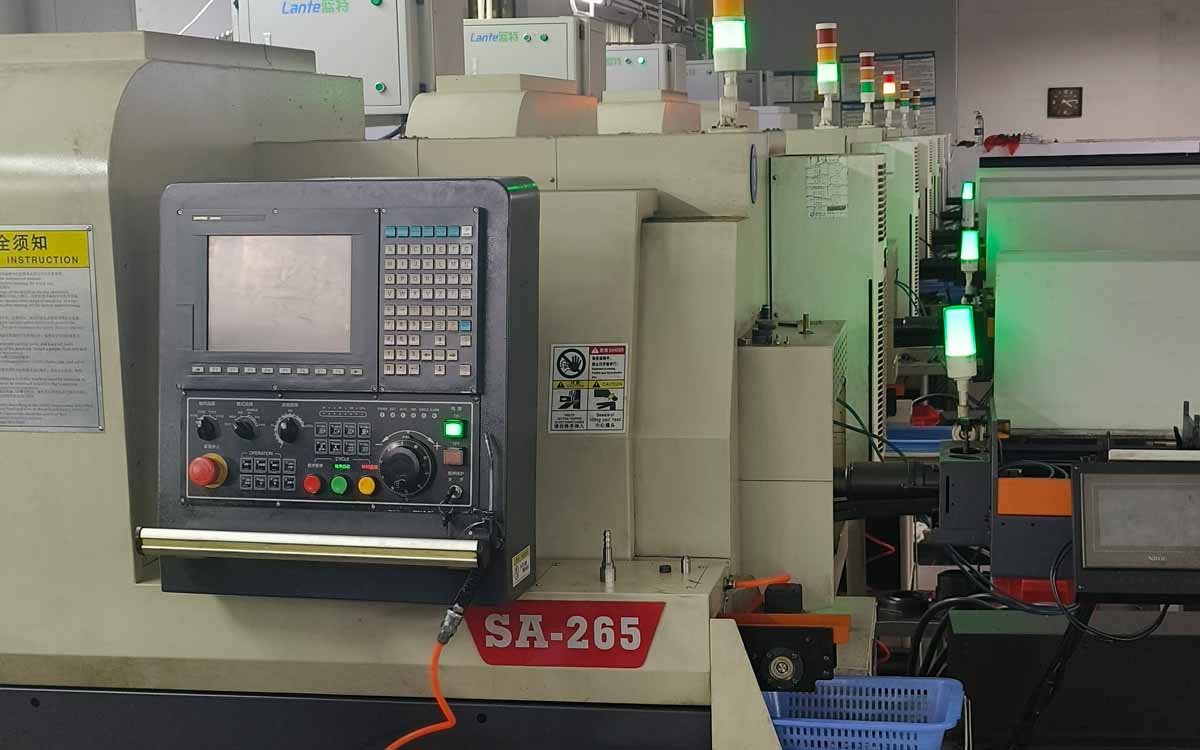
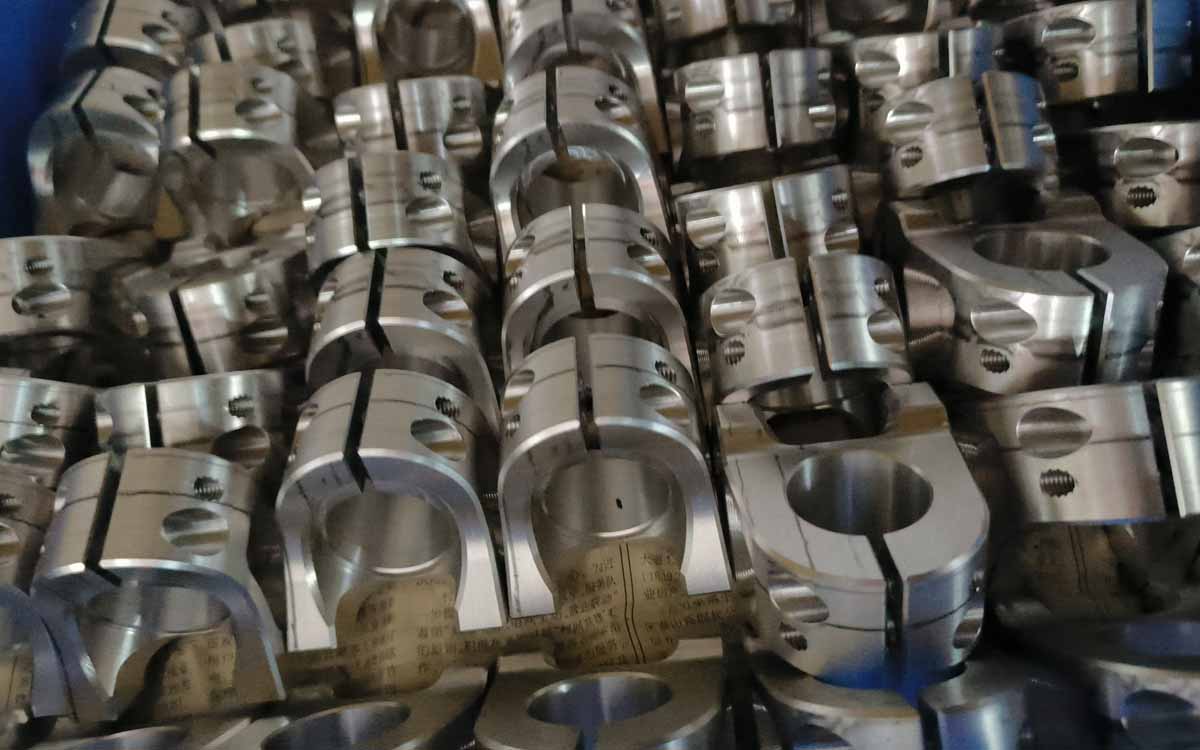
Check that they have the right machines (3, 4 and 5-axis milling, turning, turn-mill), the inspection tools (CMM, optical, roughness) and the materials for your part. Ask about similar parts they have made, and ask to see examples. A supplier who has made parts like yours will anticipate problems and quote accurately. Capability is the foundation; without it, nothing else matters.
Quality System: How They Ensure Consistency
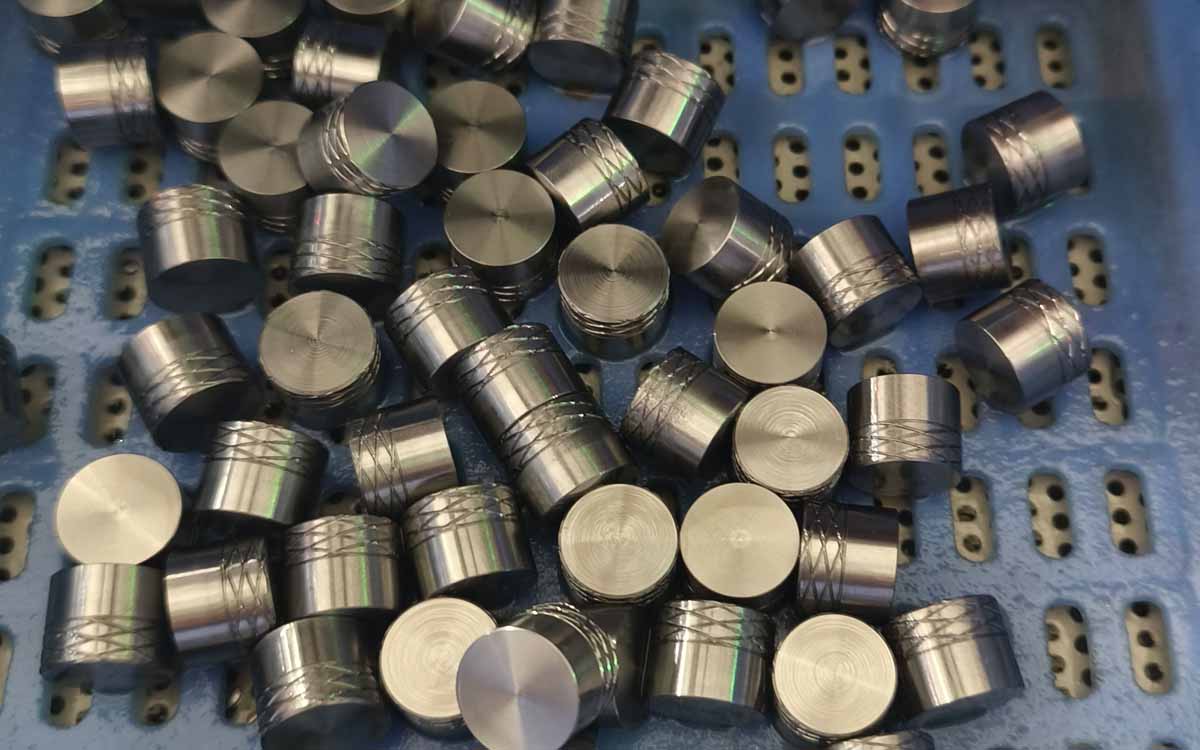
Look for in-process checks, first article reports and documented inspection, not just a final check. Ask how they handle critical tolerances and whether they agree measuring methods before production. A real quality system catches drift early and documents results, so you get consistent parts and a clear record. Ask for a sample report. If they cannot show one, that is a warning.
Communication: The Underrated Factor
A good supplier gives DFM feedback, clear quotes and lead times, and replies fast. Engineering support in your language and time zone matters more than people expect, because most problems are solved by clear communication. A supplier who answers questions clearly and proactively flags issues is worth more than one who is slightly cheaper but hard to reach.
Pricing and Red Flags
Compare quotes on total cost, not just unit price: tooling, finishing, shipping, quality and the cost of failure. The cheapest quote can cost more if parts fail or arrive late. Start with a pilot order to test consistency before scaling, and watch how they handle problems, because that tells you more than the sales pitch.
Red Flags to Watch For
No DFM feedback, vague lead times, no inspection reports, prices far below everyone else, and reluctance to show samples or reports. These warn of a supplier who will cost you more in the end. A price that is too good to be true usually is. We encourage pilot orders so you can verify quality before committing to volume.
Why Customers Choose MiGi
We give DFM with every quote, document inspection, agree measuring methods before production, and reply within 24 business hours. One contact handles your job from quote to delivery, with engineering support in your time zone. Most of our work comes from repeat customers, which we take as the best sign that we deliver on these promises.