Brass and Copper: Conduct Well and Cut Well
Brass and copper are chosen for two main reasons: they conduct heat and electricity better than almost any common structural metal, and they resist corrosion well. Brass also happens to be one of the easiest metals to machine, which makes it a favorite for high-volume fittings and connectors. Copper is the conductivity champion but is softer and gummier to cut. Knowing which to use, and which grade, helps you get the performance you need at a sensible cost. Here is how they differ and where each one shines.
Brass: The Free-Cutting Metal
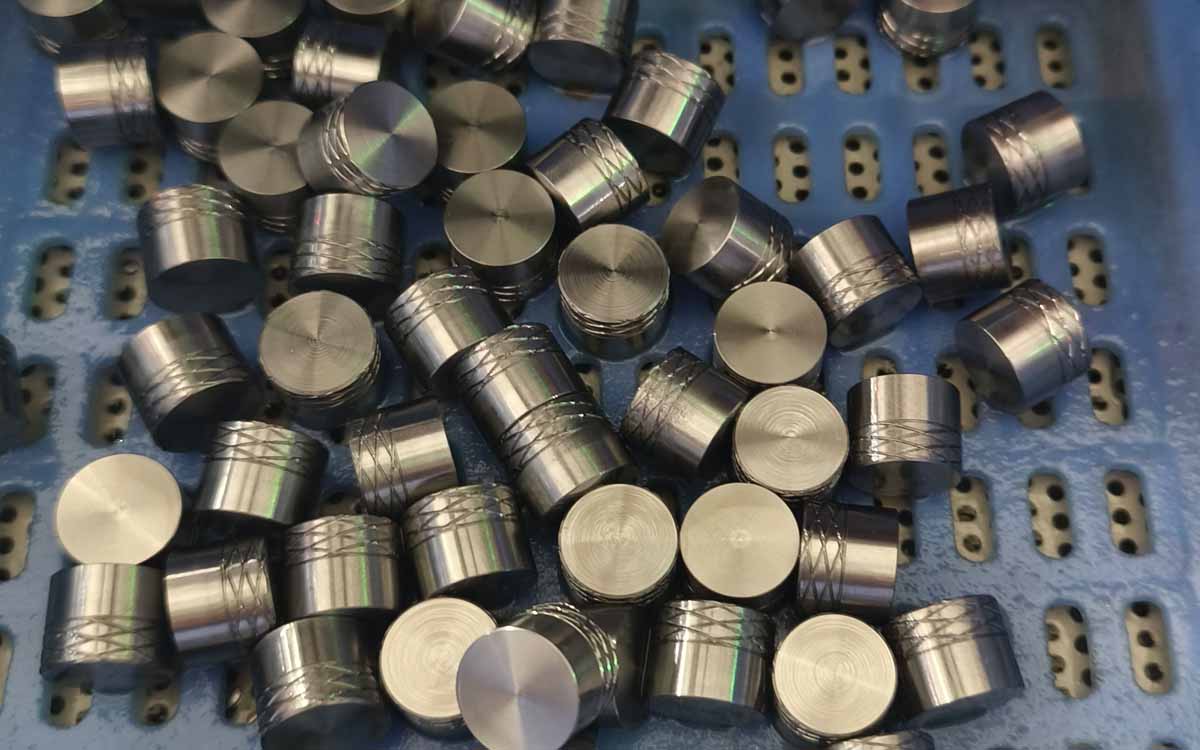
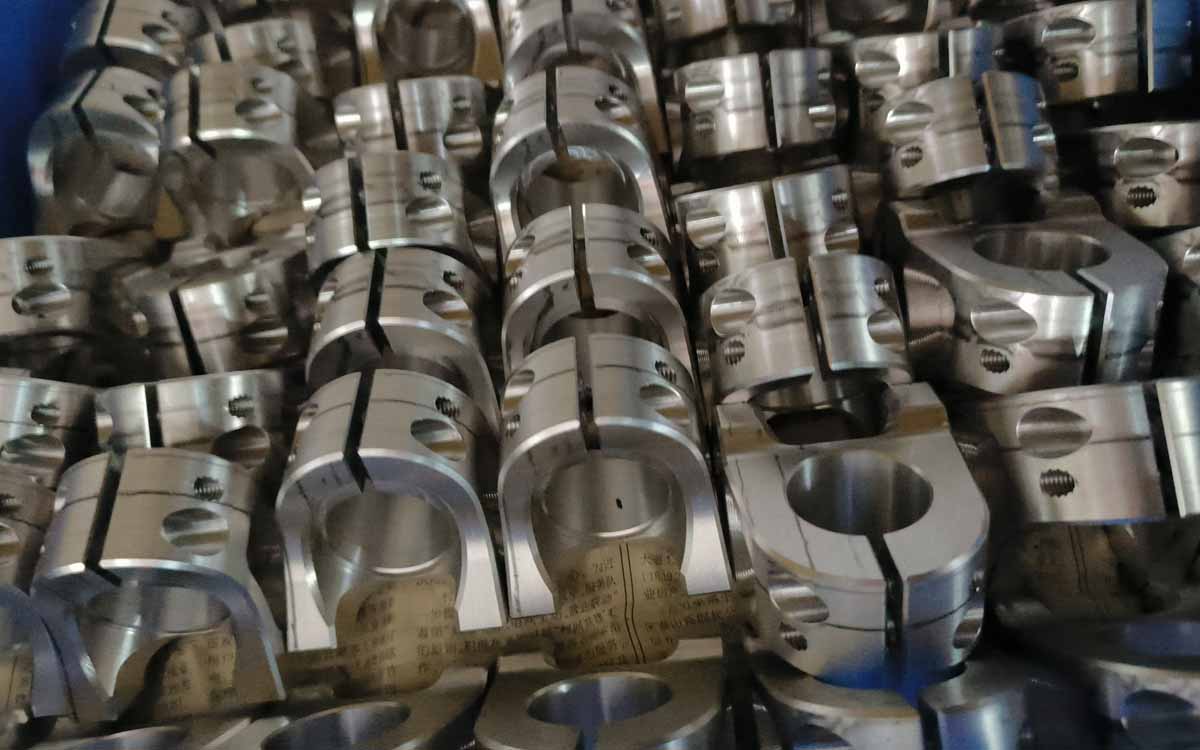
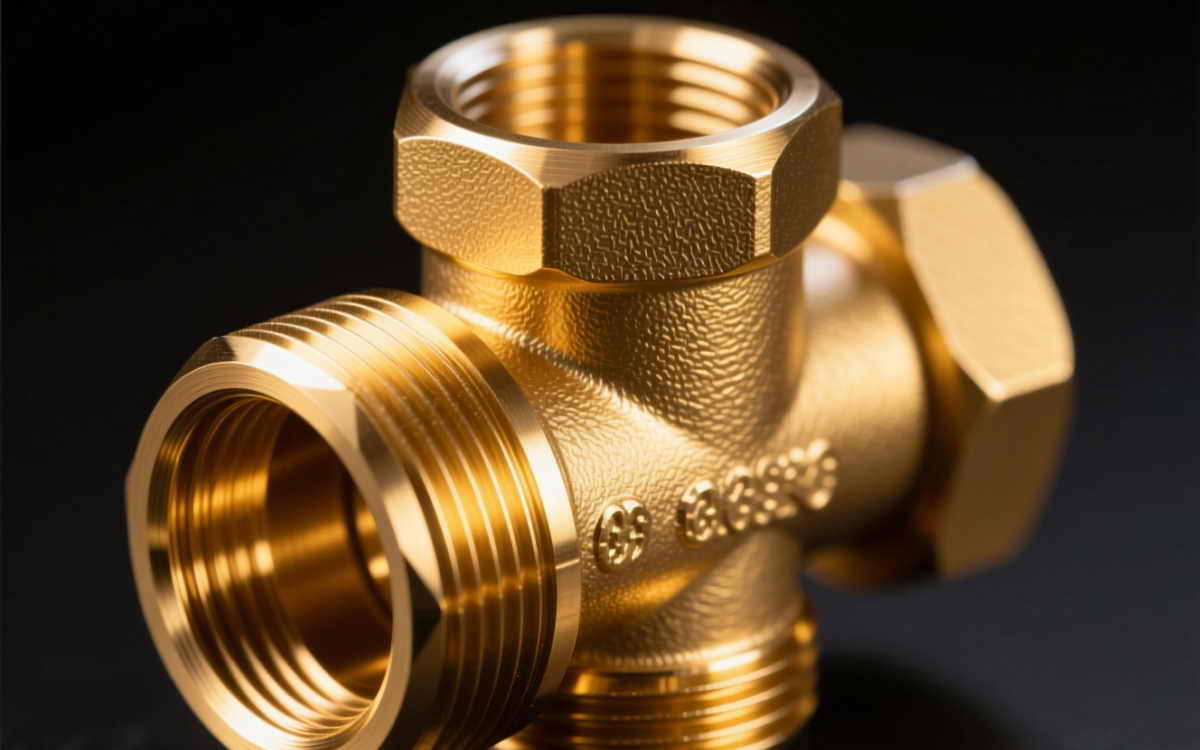
Brass, especially free-cutting grades like C360, machines faster and cleaner than almost any other metal. It produces bright finishes, crisp threads and tight tolerances with little tool wear, which makes it ideal for high-volume turned parts. It is the default for fittings, valves, connectors, inserts, gears and decorative hardware. It also resists corrosion well and has a warm gold color that looks good without finishing. If your part is a high-volume fitting or connector and does not need maximum conductivity, brass is usually the best value.
Copper: For Electrical and Thermal Conductivity
Copper is the benchmark for electrical and thermal conductivity among common metals, which is why it is used for electrical contacts, bus bars, heat exchangers, electrodes and welding tips. Pure copper (like C110) is soft and gummy, so it takes sharp tools, correct feeds and good chip control to machine cleanly. For better machinability we sometimes use tellurium copper (C145) or similar free-machining grades, which keep most of the conductivity while cutting much more easily. If conductivity is the point of the part, copper is the answer, and we will pick the grade that balances conductivity with machinability.
How to Pick Between Brass and Copper
Ask what the part must do. If it needs easy machining, a bright look and good corrosion resistance, and conductivity is secondary, use brass. If it needs maximum electrical or thermal conductivity, use copper. Both can be polished to a bright finish and both resist corrosion well, though copper will tarnish over time and may need a coating if the look matters. Tell us the function, the quantity and whether appearance matters, and we will recommend the grade.
Typical Uses
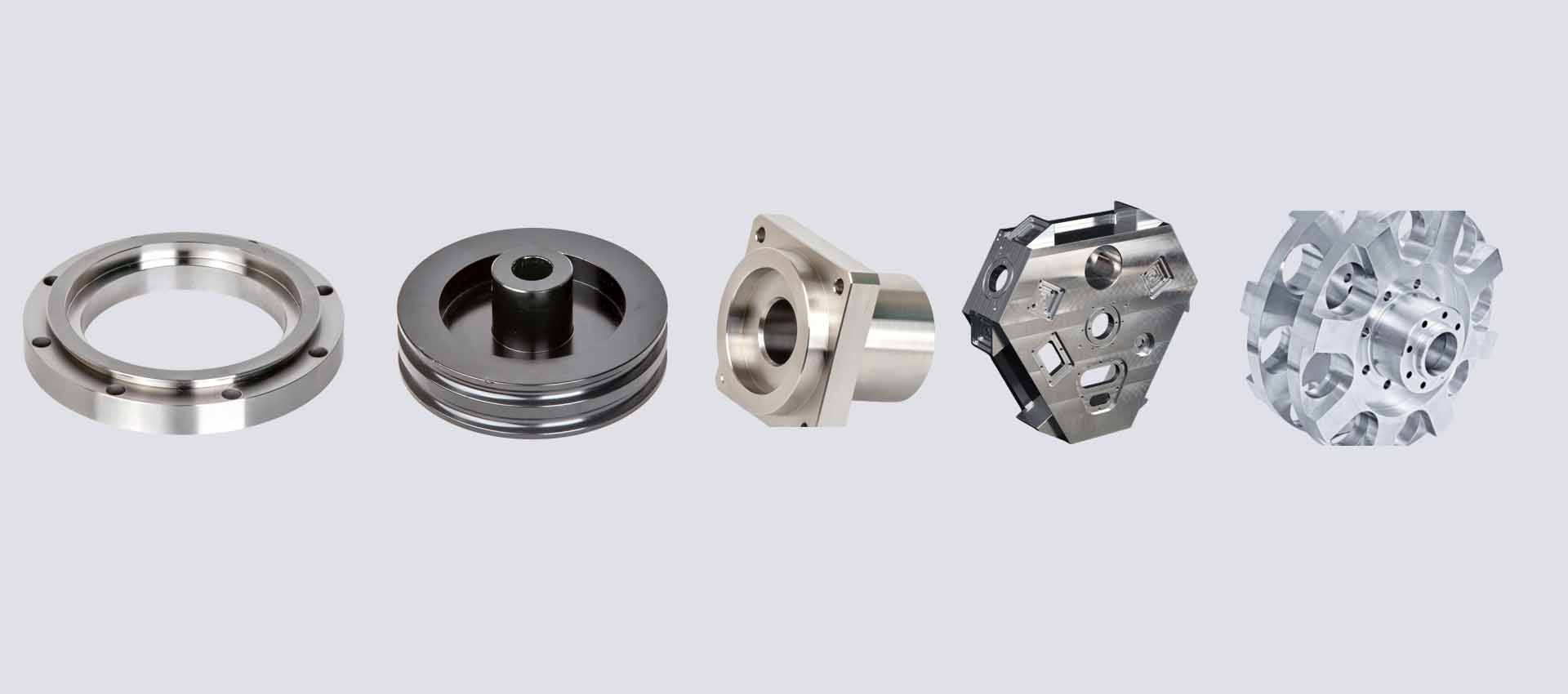
Brass: plumbing and pneumatic fittings, valve bodies, electrical connectors, threaded inserts, gears, and decorative hardware. Copper: electrical contacts and bus bars, heat exchangers and cold plates, welding electrodes, and high-conductivity thermal parts. We machine both from prototype to production.
Finishing and Protection
Both metals polish to a bright finish. Brass can be plated (nickel, chrome) for extra wear or corrosion resistance, or left natural for its gold color. Copper can be plated or coated to prevent tarnish if the appearance matters, or left bare where conductivity is the priority. We protect finished surfaces in packing so they arrive clean.