Tool Steel Is What Makes the Tool Last
Molds and dies are made from tool steel, and the steel you choose, plus the heat treatment, decides how long the tool lasts and how well the parts come out. A million-cycle production mold needs a different steel than a thousand-shot prototype tool. The four grades we use most are P20, H13, S136 and D2, each suited to a different job. Choosing the right one means you do not overpay for a tool that outlasts your volume, and you do not under-spec a tool that wears out early. Here is what each grade does and how we match it to your project.
P20: Pre-Hardened General Mold Steel
P20 comes pre-hardened to around 30 HRC, so it machines well in that state and is used for general injection molds. It is a good balance of cost, machinability and tool life for medium volumes, and it polishes reasonably well. For many plastic parts at moderate volume, P20 is the sensible default. It is not the best for mirror polish or corrosive plastics, but for general-purpose molding it does the job at a fair price.
H13: Hot-Work Steel for Die Casting
H13 is a hot-work tool steel that handles heat and repeated thermal cycling without cracking. That makes it the standard for die casting dies, where molten aluminum or zinc hits the steel every cycle, and for hot-work tools like forging dies. It resists heat checking (the fine surface cracks from thermal fatigue) and keeps its hardness at temperature. If you are die casting, H13 is almost always the right steel, and we heat treat it to the hardness that balances wear resistance and toughness for your alloy.
S136: Stainless Mold Steel for Mirror Polish
S136 is a stainless tool steel that polishes to a mirror finish and resists corrosion. It is used for clear optical parts, lenses, medical components and molding corrosive plastics like PVC, where a normal steel would rust or where the part needs a flawless surface. It costs more than P20 but is worth it when surface quality or corrosion resistance is critical. We harden and polish it to the finish your part needs.
D2: Cold-Work Die Steel for Stamping
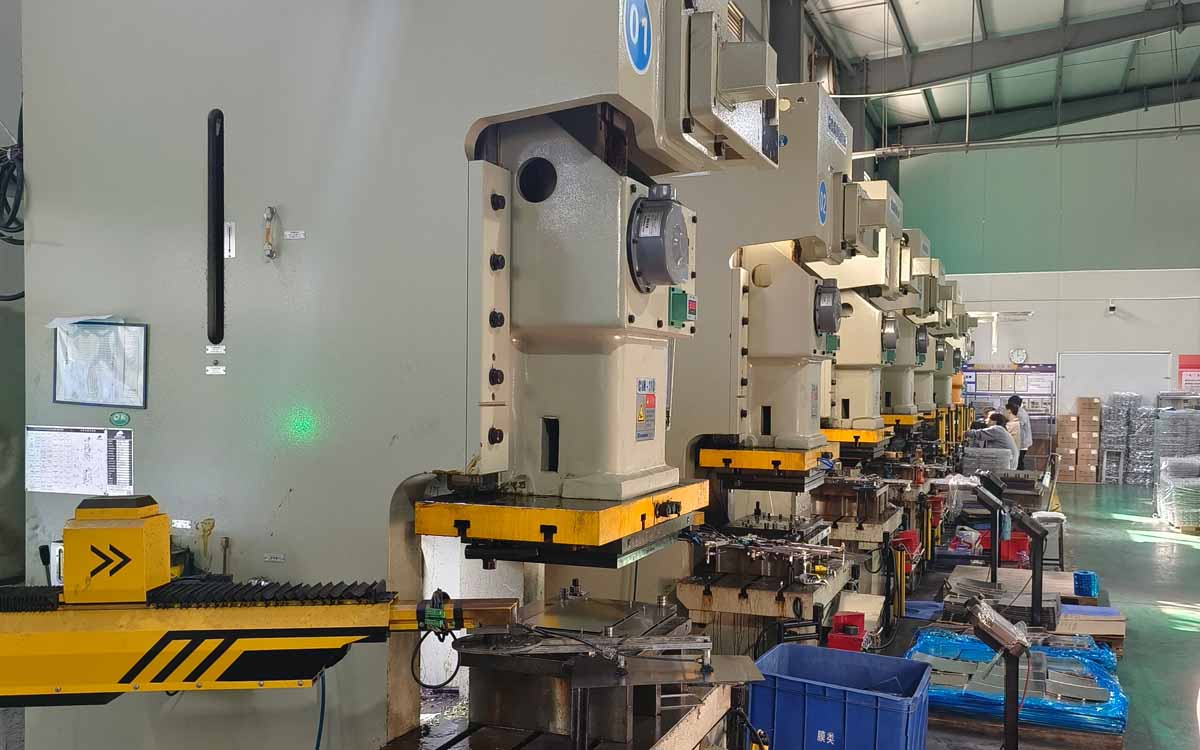
D2 is a high-carbon, high-chromium cold-work steel that is hard and very wear-resistant. It is used for stamping dies, blanking punches and cutting tools that run cold and need to hold an edge over many cycles. It is not as tough as some other die steels, so we match it to the application, but for high-volume stamping of sheet metal it is a common and effective choice.
Heat Treatment: Where Tool Life Is Really Set
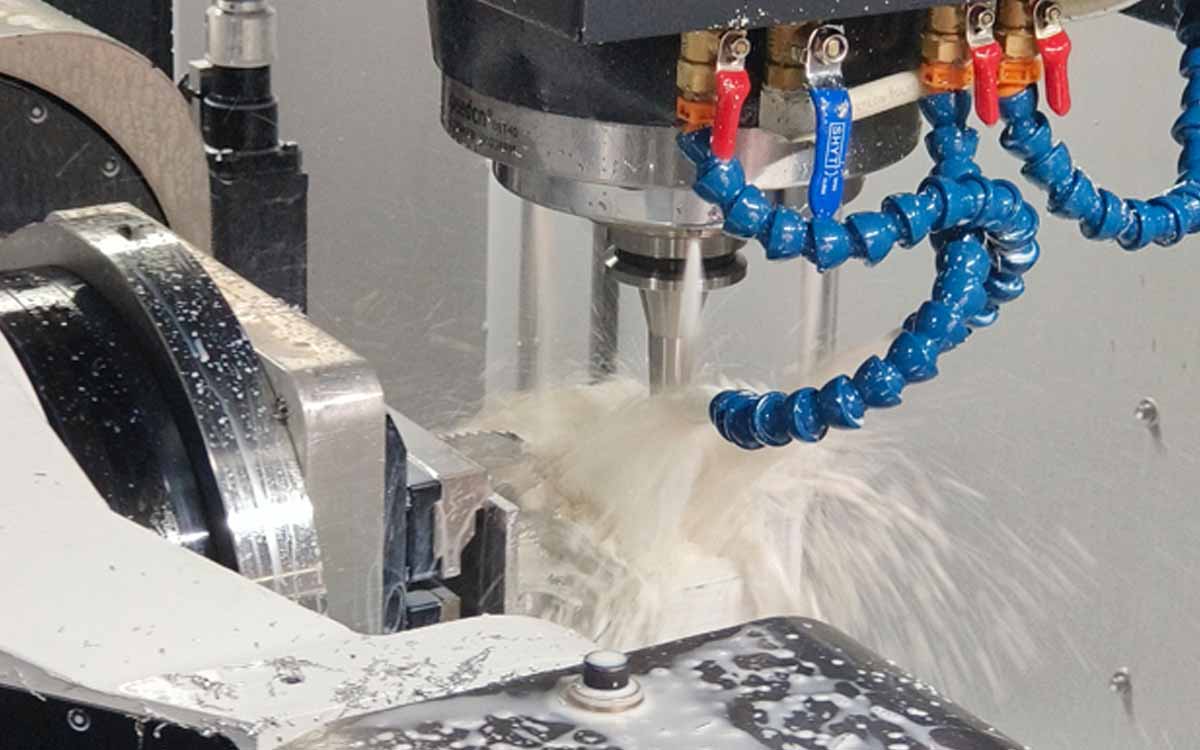
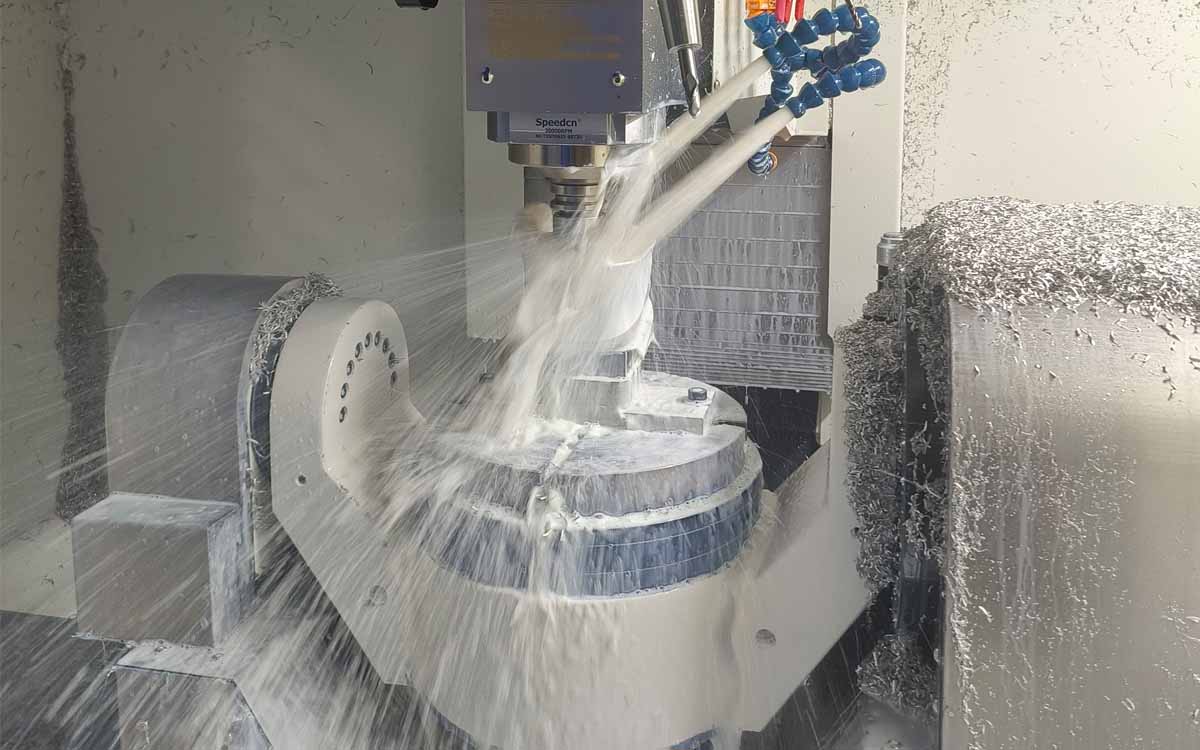
We machine tools in the soft state, then heat treat to the required hardness, then finish-grind and polish the critical faces. The heat treatment is what gives the tool its wear resistance and life, and we verify hardness and document it. Getting this wrong is a common cause of early tool failure, so we control it carefully. We also account for the small dimensional change heat treatment causes, leaving grinding stock on critical faces so the final size is right after hardening.
How to Pick the Steel
General injection mold: P20. Die casting: H13. Mirror polish or corrosive plastic: S136. Stamping die: D2. Tell us the part, the material you are molding or casting, and the volume, and we will choose the steel and hardness. We match the tool to your volume so you do not overpay for a million-cycle tool when you need a thousand parts.
Tool Life and Volume
Steel choice and heat treatment set tool life. A prototype tool in aluminum or soft steel may last a few hundred to a few thousand shots; a hardened production tool lasts hundreds of thousands to millions. We match the tool to your volume and tell you the expected life, so you can plan. If volume grows later, we can build a production tool using what we learned from the prototype tool.