Three Stainless Grades, Three Different Strengths
303, 304 and 316 are the three stainless grades we machine most, and they are not interchangeable. They differ in how easily they cut, how well they resist corrosion, and what they cost. Choosing the right one saves money and, more importantly, prevents rust and failure in service. A part that is perfect in 303 on the shop floor can corrode in a salty environment where 316 would survive. The key is to match the grade to the environment the part will actually see, not just to what is easiest to machine. Here is how the three compare and how we help you choose.
303: The Free-Cutting Grade for High Volume
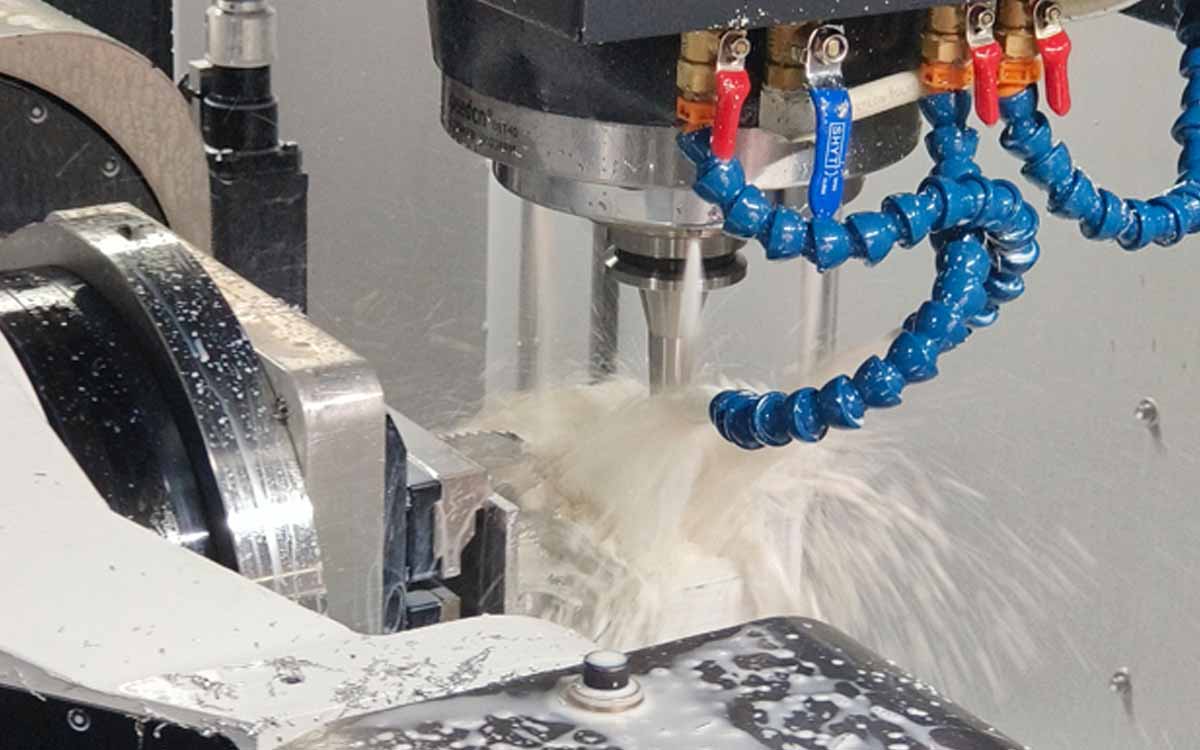
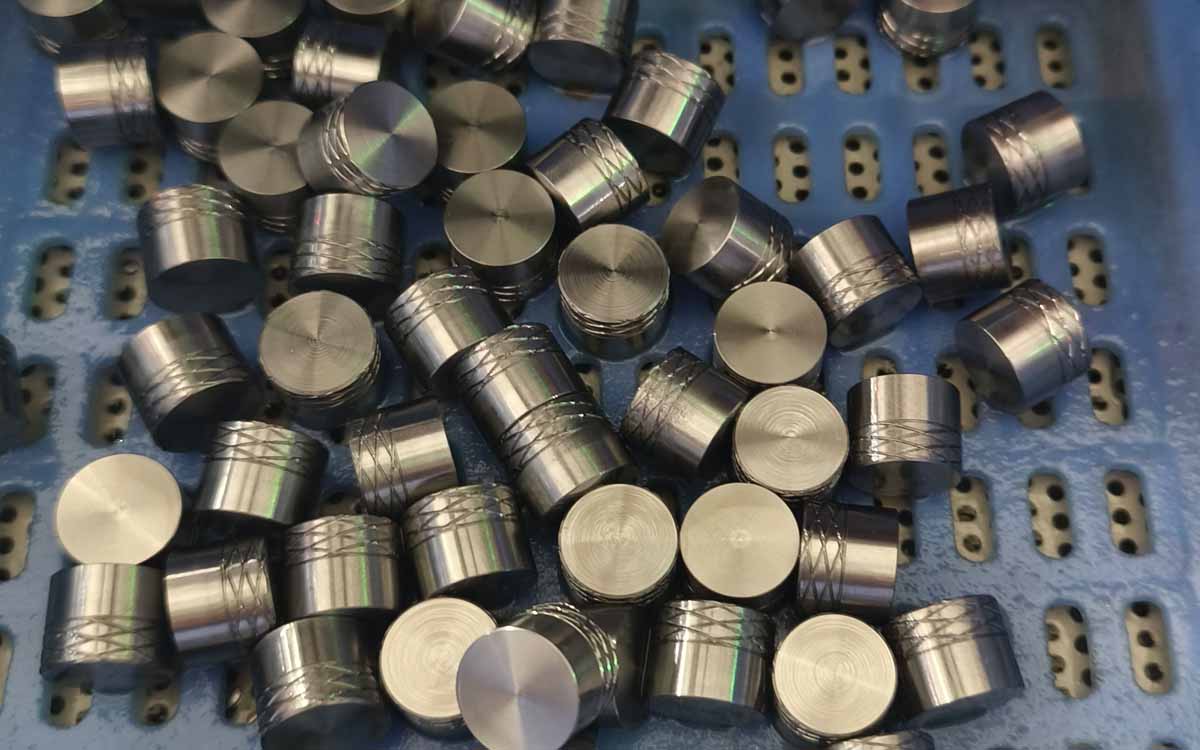
303 has sulfur added specifically to make it machine freely. It cuts faster than 304 or 316, produces a clean bright finish, and is kinder to tools, which makes it the best choice for high-volume turned parts like fittings, pins, shafts and connectors. The trade-off is that the sulfur slightly reduces corrosion resistance and makes it less suitable for welding. If your part is a high-volume turned component in a mild environment, 303 will cut your machining cost noticeably. We use it often for precisely this reason.
304: The Standard for General Corrosion Resistance
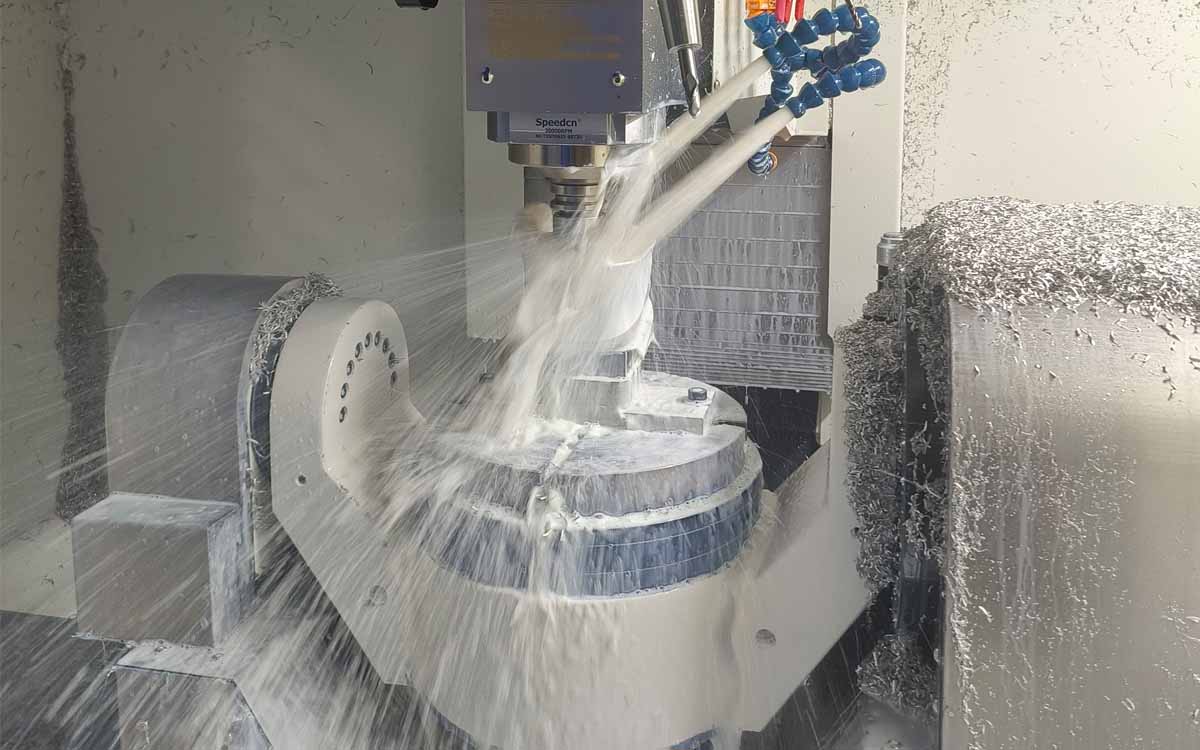
304 is the most common stainless in the world for good reason: it offers a strong balance of corrosion resistance, strength, formability and weldability at a reasonable cost. It is the default for food-contact parts, medical housings, kitchen equipment, outdoor hardware and general chemical exposure. It machines well, though not as freely as 303, and it work-hardens, so we use sharp tools and correct feeds. For most parts that need to resist rust without a special environment, 304 is the right answer.
316: For Salt, Chemicals and Medical Use
316 adds molybdenum, which gives it much better resistance to chlorides, salt and harsh chemicals. That makes it the grade for marine hardware, chemical processing, pharmaceutical equipment and medical implants (often the low-carbon 316L variant). It costs more than 304 and is harder to machine, but in a salty or chemical environment it is the difference between a part that lasts and one that pits and fails. If your part will see seawater, de-icing salt, or aggressive chemicals, 316 is worth the extra cost.
How to Pick the Right Grade
Match the grade to the environment and the quantity. For high-volume turned parts in a mild environment, use 303 to save machining cost. For general corrosion resistance and welding, use 304. For salt, chemicals or medical implant use, use 316 or 316L. After machining, we passivate stainless to restore the corrosion-resistant chromium-oxide surface that cutting can damage, which is an important step many shops skip. Tell us the environment, the quantity and whether the part is welded, and we will confirm the grade.
A Quick Decision Rule
High-volume turned part, mild environment: 303. General corrosion resistance, welded part: 304. Salt, chemicals, medical implant: 316/316L. We will also flag if a cheaper grade will do the job, because over-specifying stainless is a common way to overspend.
Finishing Stainless
Stainless can be passivated, polished, blasted or plated. Passivation is standard for corrosion resistance and we include it where it matters. Polishing gives a bright cosmetic or sanitary finish for food and medical parts. Blasting gives a uniform matte look. We protect finished surfaces in packing so they arrive without scratches or contamination.