Why Titanium, and Why It Is Special
Titanium TC4, also called Ti-6Al-4V or Grade 5, is the workhorse titanium alloy, and it earns its place in aerospace and medical work. It is about as strong as many steels at roughly half the weight, it resists corrosion extremely well, and it handles heat better than aluminum. It is also biocompatible, which is why it is used for implants and surgical instruments. But titanium is not just "strong aluminum." It behaves very differently on the machine, and machining it well takes the right tools, speeds and coolant. Understanding both its advantages and its quirks helps you decide when it is worth the cost and how to get good parts from it.
Strength-to-Weight and Heat Resistance
TC4 has a tensile strength around 900-1000 MPa in the annealed condition, comparable to many steels, but its density is only about 4.4 g/cm3 versus 7.8 for steel. That strength-to-weight ratio is why it is used for airframe brackets, engine parts and high-performance components. It also keeps its strength at elevated temperatures better than aluminum, which is why it shows up in engines and hot sections. If your part needs to be light, strong and heat-tolerant, titanium is often the only material that fits all three.
Biocompatibility and Corrosion Resistance
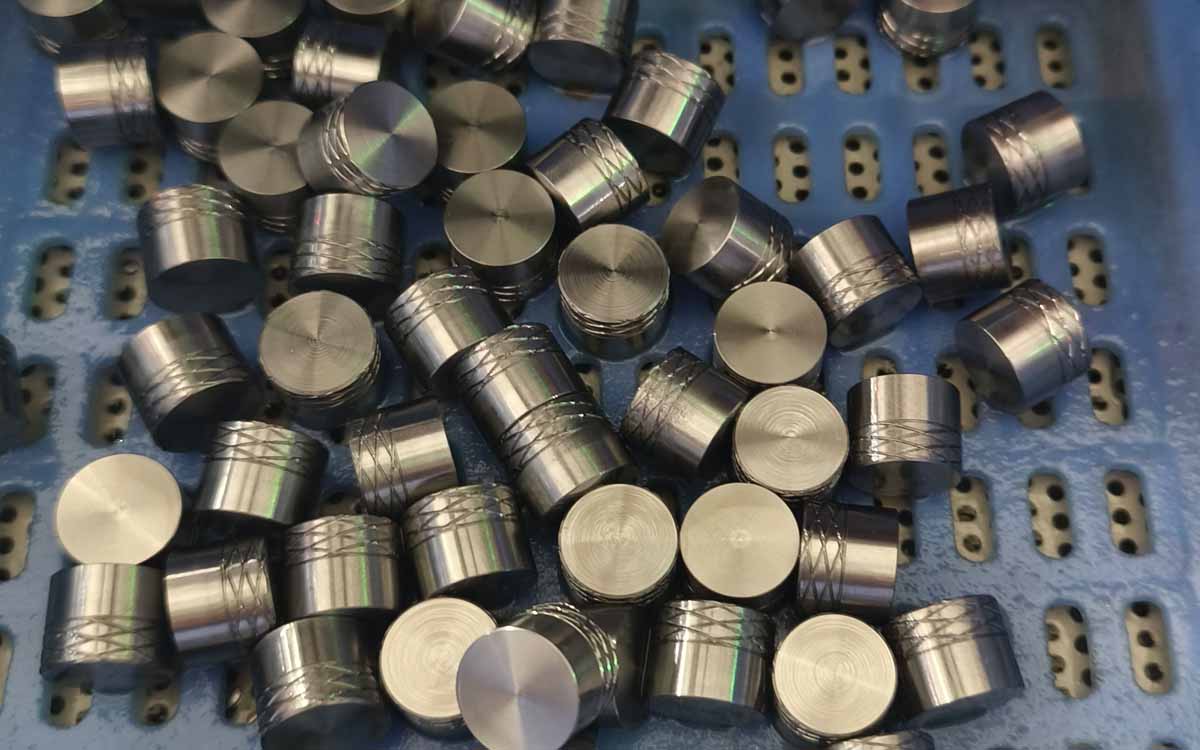
TC4 is biocompatible and resists body fluids, which makes it a standard for implants, bone screws and surgical instruments. It also forms a stable oxide layer that resists corrosion in seawater, chlorine and many chemicals, so it is used for marine and chemical parts too. For medical work we machine it with clean processes, thorough deburring and careful surface handling, and we can provide material certificates for traceability. If your part goes into the body or a harsh chemical environment, this combination of properties is hard to beat.
Machining Titanium Well
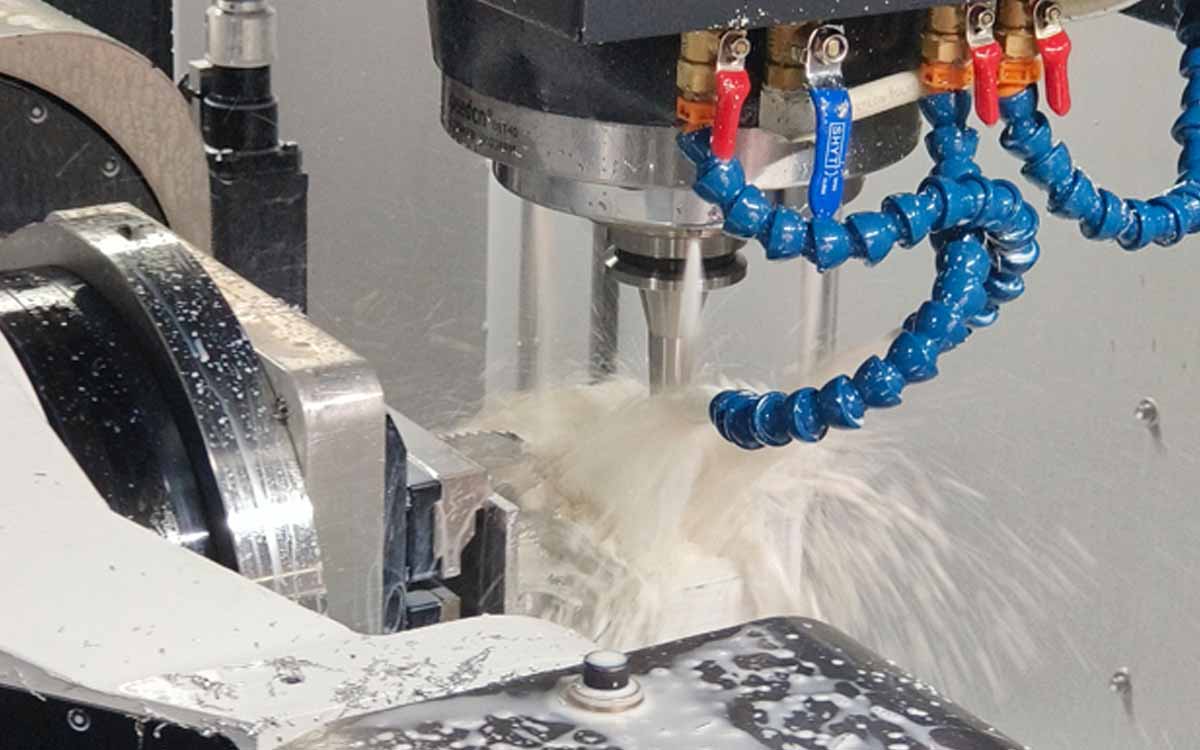
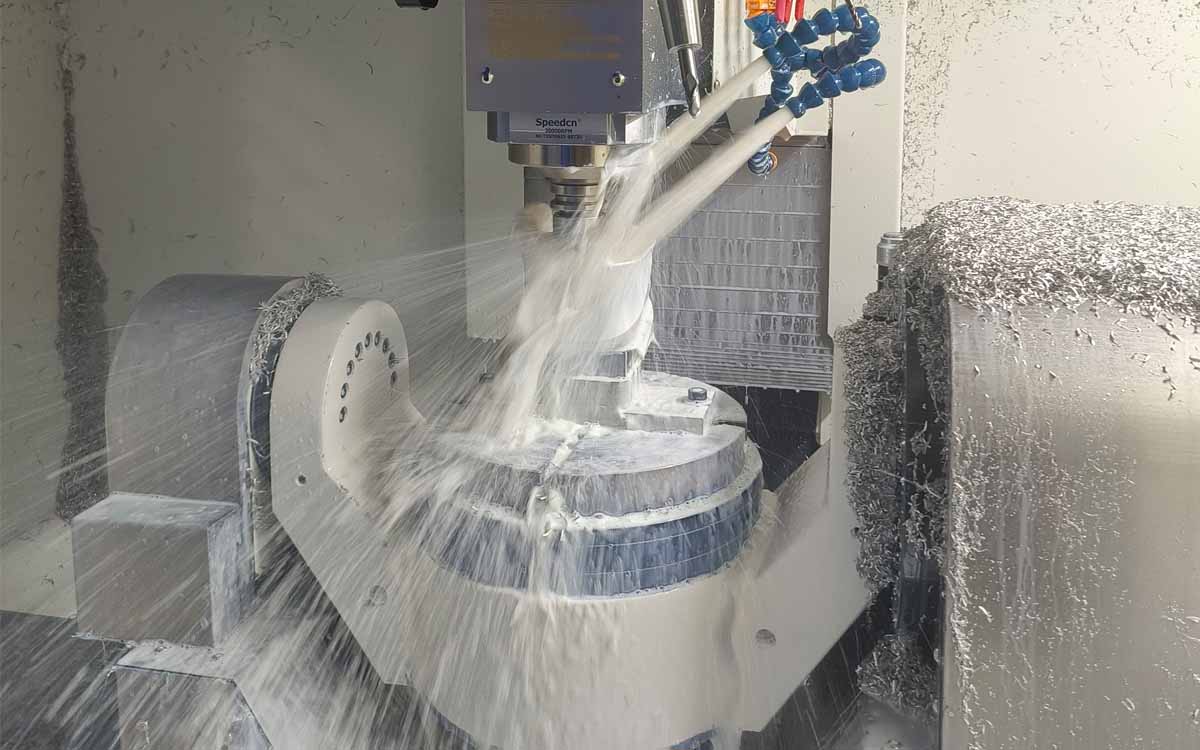
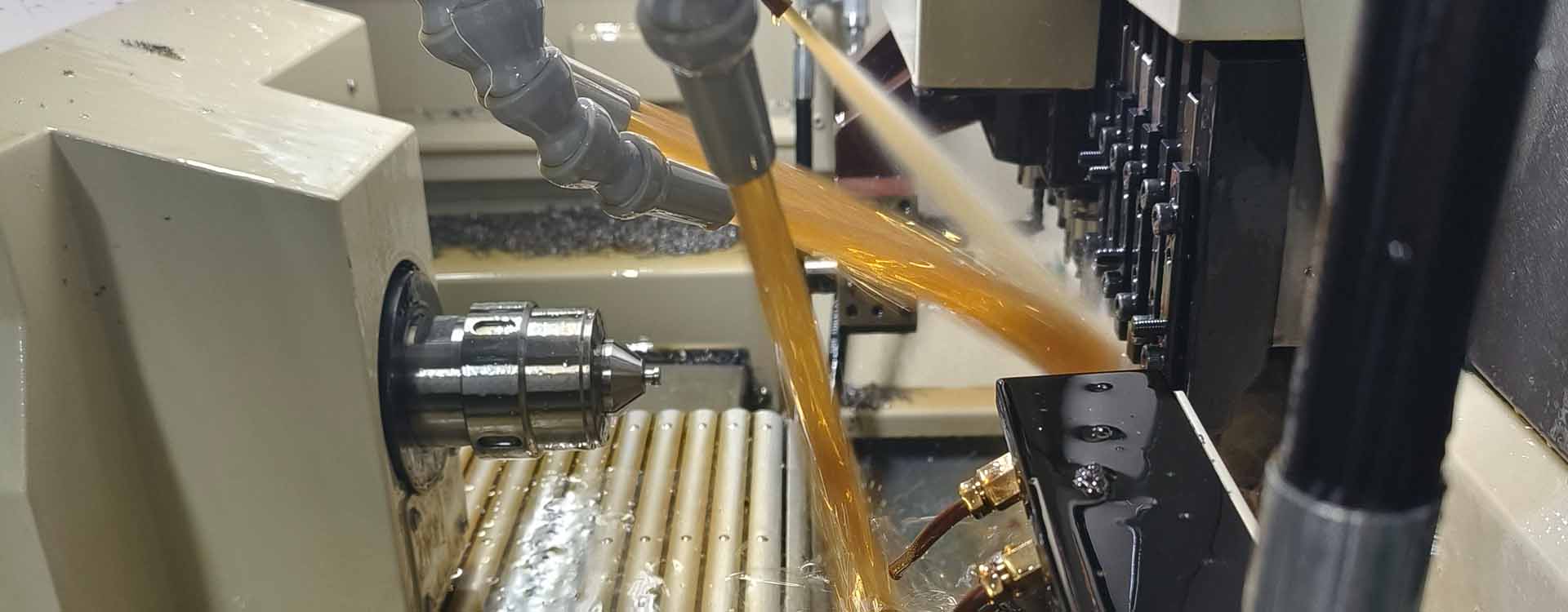
Titanium is harder to machine than aluminum for three reasons: it work-hardens, it conducts heat poorly (so heat concentrates at the cutting edge), and it is chemically reactive with tool materials at high temperature. The result is rapid tool wear if you run it like aluminum. We use sharp, positive-rake tools, lower cutting speeds, generous coolant and rigid setups to control heat and hold tolerances. We also avoid dwelling or rubbing, which work-hardens the surface. Done right, titanium machines to tight tolerances and good finishes; done wrong, it burns tools and ruins parts. This is where experience matters.
When to Use It, and When Not To
Use TC4 for aerospace brackets, medical implants, surgical tools, marine parts, high-end sporting goods and any part that needs light weight plus high strength plus corrosion or heat resistance. If you do not need that combination, aluminum or steel is cheaper and easier. We will tell you honestly when a cheaper grade will do the job, because titanium costs more in both material and machining time, and over-specifying it is an expensive mistake.
Cost and Lead Time Note
Titanium costs more per kilogram than aluminum or steel, and it machines slower, so the part price is higher on both counts. Lead times can also be longer because material is less commonly stocked. We confirm material availability and a realistic lead time in the quote. If budget is tight, we can sometimes suggest a design change that lets you use a cheaper material without losing function.