Machined Plastics That Replace Metal
POM, PEEK and nylon are engineering plastics we machine into strong, low-friction, lightweight parts. They replace metal where weight, corrosion, self-lubrication or electrical insulation matter. Each has a distinct personality: POM is stiff and slippery, PEEK handles high heat and chemicals, and nylon is tough and wear-resistant. Choosing the right one means matching the plastic to the load, temperature and environment. Machining plastics also has its own rules, because they move with heat and moisture in ways metal does not. Here is how the three compare and how we machine them well.
POM (Acetal): Stiff, Hard and Slippery
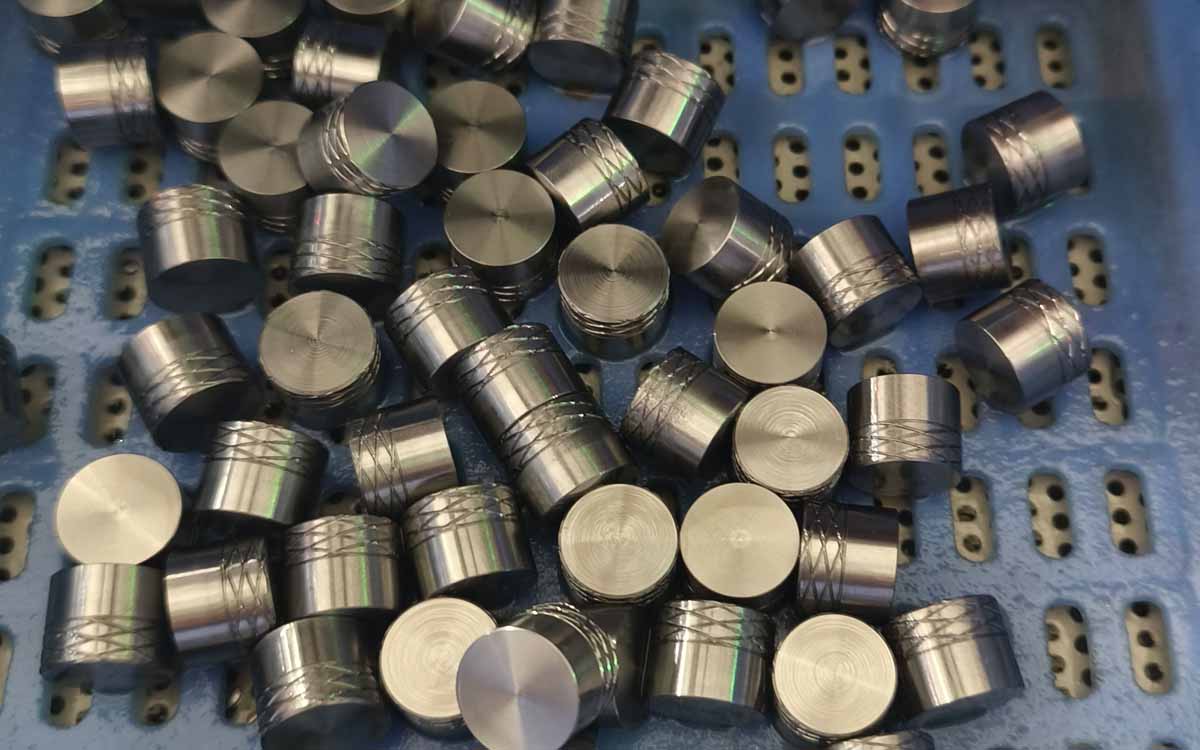
POM, also called acetal or Delrin, is stiff, hard and naturally low-friction. It machines cleanly, holds tight tolerances and gives a smooth surface, which makes it the default for gears, bearings, bushings, cams and precision mechanisms. It is dimensionally stable and resists moisture better than nylon, so it holds its size in humid environments. It is the go-to when you need a precise, low-friction moving part. It does not handle high heat or strong chemicals as well as PEEK, but for most mechanical parts it is the best balance of performance and cost.
PEEK: High Heat, High Strength, Chemical Resistance
PEEK is a high-performance plastic that handles continuous temperatures around 250 C, resists a wide range of chemicals, and is strong and stiff. It is used for aerospace components, medical implants, semiconductor equipment and oil-and-gas parts where heat and chemicals would destroy lesser plastics. It is also biocompatible and radiolucent, which makes it useful for implants. The catch is cost: PEEK is many times more expensive than POM or nylon, so we use it only where its properties are truly needed. If your part sees high heat or aggressive chemicals, PEEK is often the only plastic that works.
Nylon (PA): Tough and Wear-Resistant
Nylon is tough, resilient and resists wear well, which makes it good for gears, rollers, wear pads, bushings and impact parts. Glass-filled grades are stiffer and stronger and handle heat better. The main thing to watch is moisture: nylon absorbs water, which changes its dimensions and properties, so we account for that in tolerances and sometimes condition the material before final machining. For dry, wear-heavy applications nylon is excellent and inexpensive; for wet or precision applications, POM or a filled grade may be better.
How to Pick the Right Plastic
Match the plastic to the job. For low friction and tight tolerance in a mechanical part, use POM. For high heat or chemical exposure, use PEEK. For tough wear parts at low cost, use nylon, and consider glass-filled for more stiffness. Tell us the load, the temperature, the environment and whether moisture is present, and we will recommend the grade. We also machine PC for impact and clarity, ABS for general housings, PMMA for transparency, PTFE for chemical resistance and low friction, and PPS for high-heat structural parts.
Other Plastics We Machine
PC (polycarbonate) for impact resistance and clarity, ABS for general-purpose housings, PMMA (acrylic) for transparency, PTFE for chemical resistance and the lowest friction, and PPS for high-heat structural parts. Each has its niche, and we help you pick based on the function rather than just the name.
Machining Plastics Well
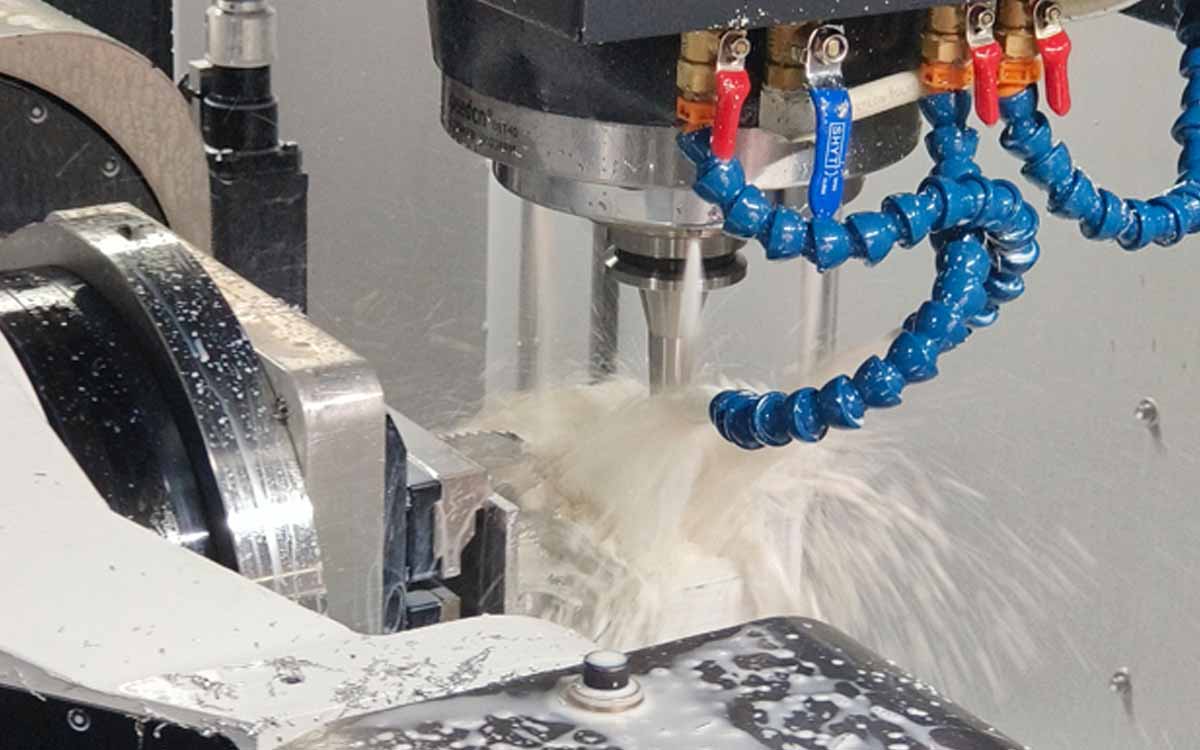
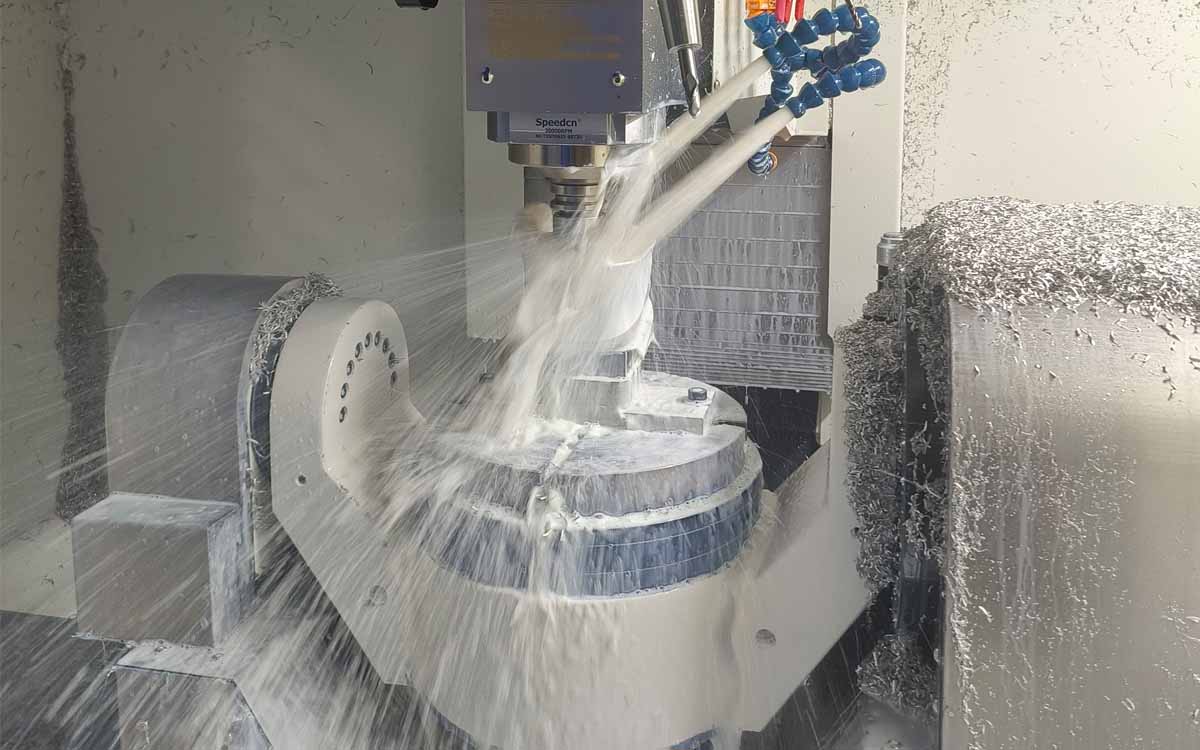
Plastics move with heat and moisture, so we control cutting heat with sharp tools and correct feeds, and we account for thermal expansion and moisture uptake in tolerances. We avoid melting or gumming the surface, and we deburr carefully because plastics can leave fuzzy edges. For tight-tolerance plastic parts, we sometimes rough, let the part stabilize, then finish, so the final size is stable.